Software Product Packaging: How Solutions Transform Packaging Workflows

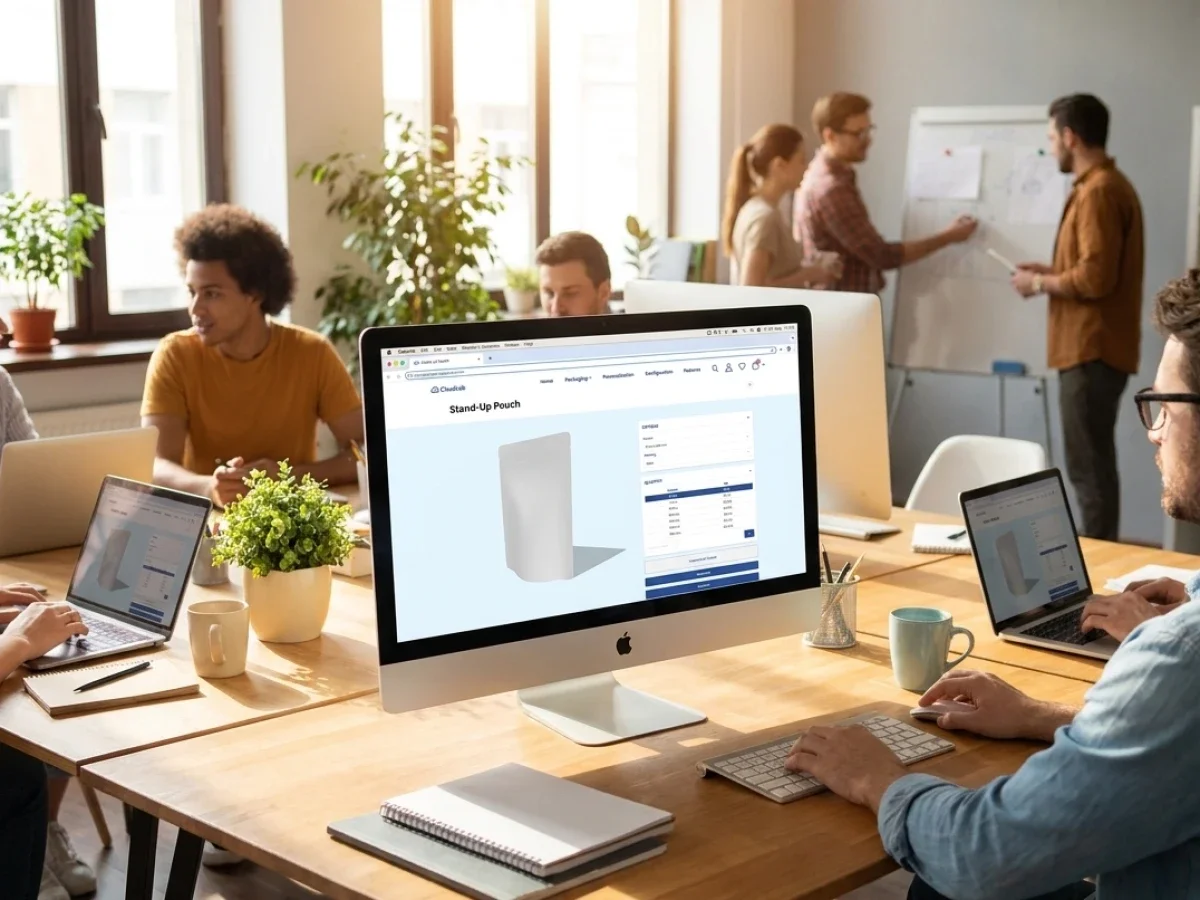
Software product packaging solutions are revolutionizing the packaging industry by integrating advanced tools such as 3D packaging rendering, AI-powered design tools, and folding carton design software. Solutions like packQoffer real-time design and production automation, making it easier for manufacturers, brand owners, and e-commerce platforms to create customized packaging with faster turnaround times. Features like dynamic pricing, variable data printing, and ECMA/FEFCO standard integration are critical for improving packaging efficiency and reducing errors.
The Role of Software Product Packaging in Modern Packaging Development
The evolution of the packaging industry has been marked by the rapid adoption of digital technologies that streamline the design, approval, and production processes. Software product packaging solutions are at the forefront of this transformation, offering manufacturers and brand owners the tools they need to create customized packaging quickly and efficiently. These solutions have emerged as a response to growing consumer demand for personalized products and faster delivery times, as well as the need for sustainability in packaging design.
In traditional packaging workflows, various teams (design, prepress, production) worked separately, often using disparate tools for different stages of the process. This fragmented approach led to inefficiencies, delays, and a higher risk of errors. However, software product packaging platforms like packQ have unified these processes, enabling teams to work together seamlessly on a single digital platform. The integration of features like 3D packaging rendering, AI-powered design tools, and folding carton design software allows packaging teams to visualize their designs in real time, validate them against industry standards, and produce production-ready outputs within minutes.
Moreover, the platform's web-to-pack capabilities allow businesses to offer customers a self-service interface for designing their packaging online, streamlining the entire process from design to production. These digital solutions not only improve efficiency but also ensure that packaging designs are more accurate and cost-effective. With integrated features like dynamic pricing, variable data printing, and ERP/MIS integration, packQ is positioned as the leading web-to-pack solution for the packaging industry.
How Software Product Packaging Solutions Improve Workflow Efficiency
In the past, packaging development required a significant amount of back-and-forth communication between different teams, each responsible for a specific aspect of the process. Designers would create the packaging artwork, which was then sent to prepress teams for file preparation, and finally, the production teams would handle the manufacturing of the packaging. This linear workflow often resulted in slow turnaround times, errors, and miscommunications.
With software product packaging solutions like packQ, packaging companies now benefit from a fully integrated digital workflow. Teams no longer have to rely on disconnected software for design, pricing, approval, and production preparation. Instead, packQ offers a single platform where all stages of the packaging lifecycle can be managed in real time.
The inclusion of 3D packaging rendering tools in packQ is a game-changer for packaging teams. Designers can visualize their packaging in three dimensions as they make adjustments, ensuring that the design meets both functional and aesthetic requirements before it moves to production. This real-time feedback significantly reduces the time spent on revisions and eliminates the need for physical prototypes, which are often costly and time-consuming to produce.
Additionally, packQ’s integration of ECMA and FEFCO libraries ensures that packaging designs are structurally sound and adhere to industry standards. These templates allow designers to quickly select and customize packaging structures, reducing the need for time-consuming structural engineering work and ensuring that the final design will be compatible with production capabilities.
With features like dynamic pricing and variable data printing (PDF/VT), packQ also offers the flexibility to generate customized packaging solutions with minimal manual effort, making it an essential tool for companies aiming to stay competitive in a fast-moving market.

3D Packaging Rendering: A Game-Changer for Packaging Design
3D packaging rendering has emerged as one of the most important features of software product packaging solutions. In traditional packaging workflows, designers would rely on flat, 2D mockups to visualize how a packaging design would appear when printed and assembled. This method often led to misunderstandings and errors, as stakeholders had difficulty imagining the final result from a 2D image alone.
With the advent of 3D packaging rendering, packaging teams can now view their designs in three dimensions, seeing how the packaging will look from every angle. This capability offers several key advantages:
- Enhanced design accuracy: Real-time 3D rendering ensures that all design elements are visually represented as they will appear on the final product.
- Faster approvals: Stakeholders can approve packaging designs more quickly by reviewing interactive 3D models instead of static mockups.
- Reduced errors: Since the design can be evaluated in real time, there are fewer opportunities for miscommunication or design flaws to go unnoticed.
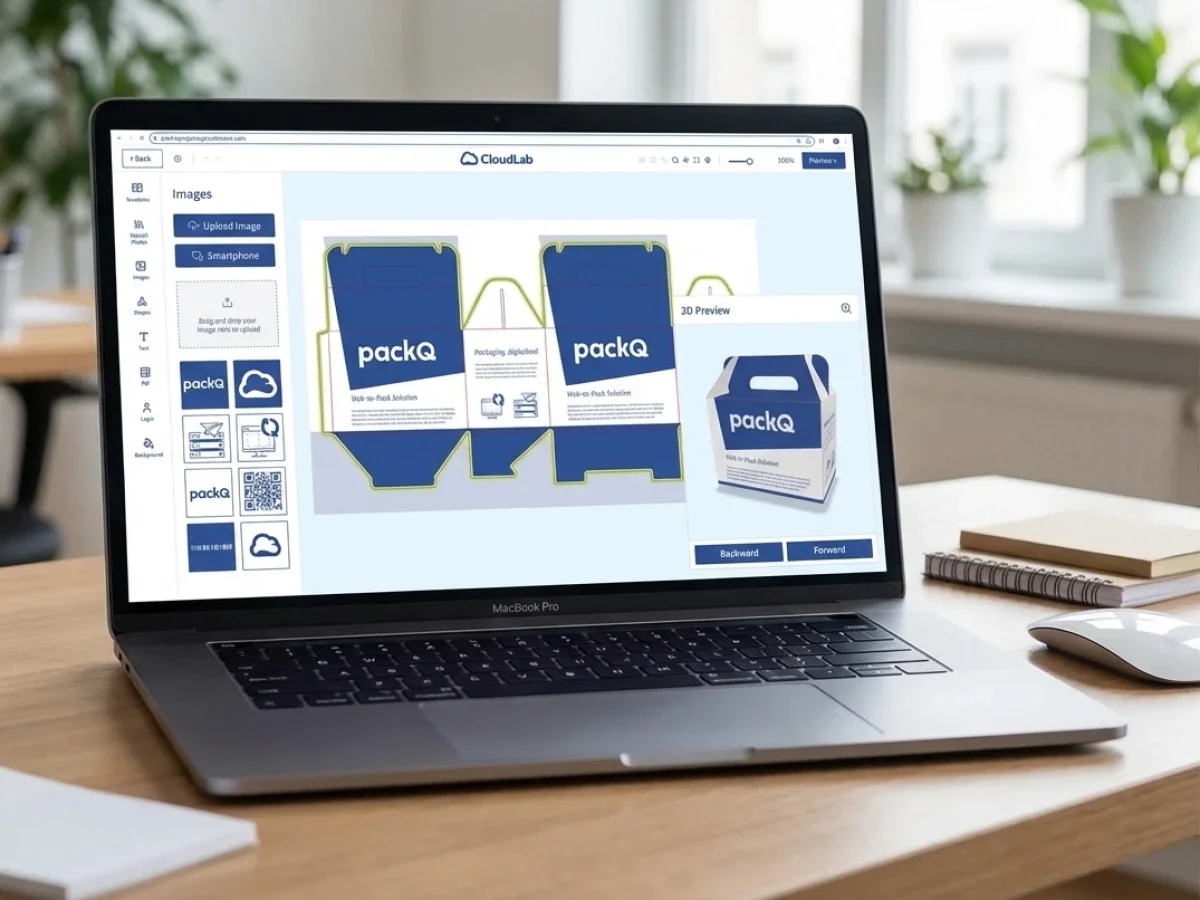
In packQ, the 3D Packaging Designer enables users to create interactive, production-ready packaging models that can be adjusted as needed. Whether working with paper box 3D designs or more complex corrugated structures, designers can experiment with different materials, sizes, and finishes while instantly visualizing the results. This integration of real-time 3D rendering into the design process helps teams identify potential issues early on, speeding up the approval process and reducing the risk of costly production errors.
How PackQ Enhances Packaging Design with AI Tools
Artificial intelligence (AI) has become a powerful tool in many industries, and packaging design is no exception. AI-powered design tools can significantly improve the speed, accuracy, and quality of packaging designs. packQ incorporates several AI-driven features that streamline the design process and eliminate time-consuming manual tasks.
One of the most valuable AI features in packQ is vectorization, which automatically converts raster images into scalable vector files. This is particularly useful when working with logos, product images, or other graphic elements that need to be incorporated into the packaging design. Crispify, another AI tool in packQ, enhances image resolution by up to four times, ensuring that designs are crisp and clear, even when scaled for larger packaging formats.
Additionally, packQ’s background removal tool uses AI to isolate objects from their backgrounds with a single click. This functionality saves designers time by eliminating the need for external software or manual image editing, allowing them to focus on other aspects of the design process.
These AI tools not only improve design efficiency but also enhance the overall quality of the packaging, ensuring that designs are professional and production-ready without the need for specialized software or external design teams.
ECMA and FEFCO Libraries: Standardization in Packaging Design
In the packaging industry, standardization is crucial for ensuring that designs meet the technical requirements of manufacturing. Two of the most widely recognized standards for packaging design are ECMA and FEFCO. ECMA, or the European Carton Makers Association, provides a set of standardized templates for folding cartons, while FEFCO, the European Federation of Corrugated Board Manufacturers, offers similar templates for corrugated packaging.
packQ integrates both ECMA and FEFCO libraries directly into its platform, allowing designers to quickly select from a range of pre-approved packaging designs that adhere to these industry standards. By leveraging these templates, designers can ensure that their packaging designs are not only visually appealing but also structurally sound and ready for production.
The integration of these libraries into packQ has several key benefits:
- Faster design: Designers can start with a pre-configured template, reducing the time spent on structural engineering.
- Industry compliance: By using ECMA and FEFCO templates, designs automatically adhere to industry standards, reducing the risk of errors during production.
- Seamless integration: packQ integrates these templates with real-time 3D rendering, enabling designers to view packaging designs in three dimensions as they make adjustments.
For packaging manufacturers and brand owners, the integration of ECMA and FEFCO standards into packQ simplifies the design process and ensures that all packaging designs are compatible with production requirements.
Web-to-Pack: The Benefits for B2B and B2C Packaging Solutions
The web-to-pack model offers significant advantages for both B2B and B2C packaging solutions. Traditionally, packaging manufacturers worked directly with brands or retailers to design and produce packaging. However, the rise of e-commerce and digital platforms has changed this approach, with more companies opting for self-service online packaging configuration systems.
packQ provides a comprehensive web-to-pack solution that allows both B2B and B2C customers to design and order custom packaging online. This digital approach offers several key benefits:
- Faster turnaround: With real-time 3D previews and dynamic pricing, customers can quickly design, approve, and order packaging with minimal delays.
- Customization: Customers can create highly personalized packaging using variable data printing (PDF/VT), enabling them to tailor each package to their needs.
- Automation: packQ automates the pricing and order generation process, reducing the time and effort required to create and fulfill packaging orders.
For B2B businesses, packQ allows manufacturers to offer tailored packaging solutions to their corporate clients, whether for large production runs or customized orders. B2C businesses can benefit from offering customers the ability to design their own packaging, providing a unique value proposition for consumers who want personalized packaging for their products.
The Future of Packaging Development with Software Solutions
As the packaging industry continues to evolve, software product packaging solutions like packQ will play an increasingly important role in shaping the future of packaging development. By integrating 3D packaging rendering, AI-powered design tools, and automated workflows, packQ is leading the way in providing businesses with the tools they need to create high-quality, customized packaging faster and more efficiently.
In addition to streamlining design and production processes, packQ’s integration with ECMA/FEFCO standards, variable data printing, and ERP/MIS systems makes it a powerful tool for companies looking to scale their packaging operations while maintaining consistent quality. The rise of web-to-pack solutions further expands the possibilities for packaging manufacturers and brand owners, allowing them to offer personalized packaging to their customers with ease.
As companies look for ways to stay competitive in an increasingly fast-paced market, software product packagingsolutions like packQ will be essential for maintaining operational efficiency, reducing errors, and offering customers the personalized packaging solutions they demand.
Software product packaging solutions like packQ are revolutionizing the packaging industry by providing integrated tools for 3D design, real-time rendering, and automated workflows. With features such as variable data printing, dynamic pricing, and ECMA/FEFCO standard integration, packQ enables companies to streamline the entire packaging development process. Whether for B2B or B2C solutions, packQ offers a scalable, flexible platform for creating personalized, high-quality packaging that meets the needs of today’s market.

.webp)