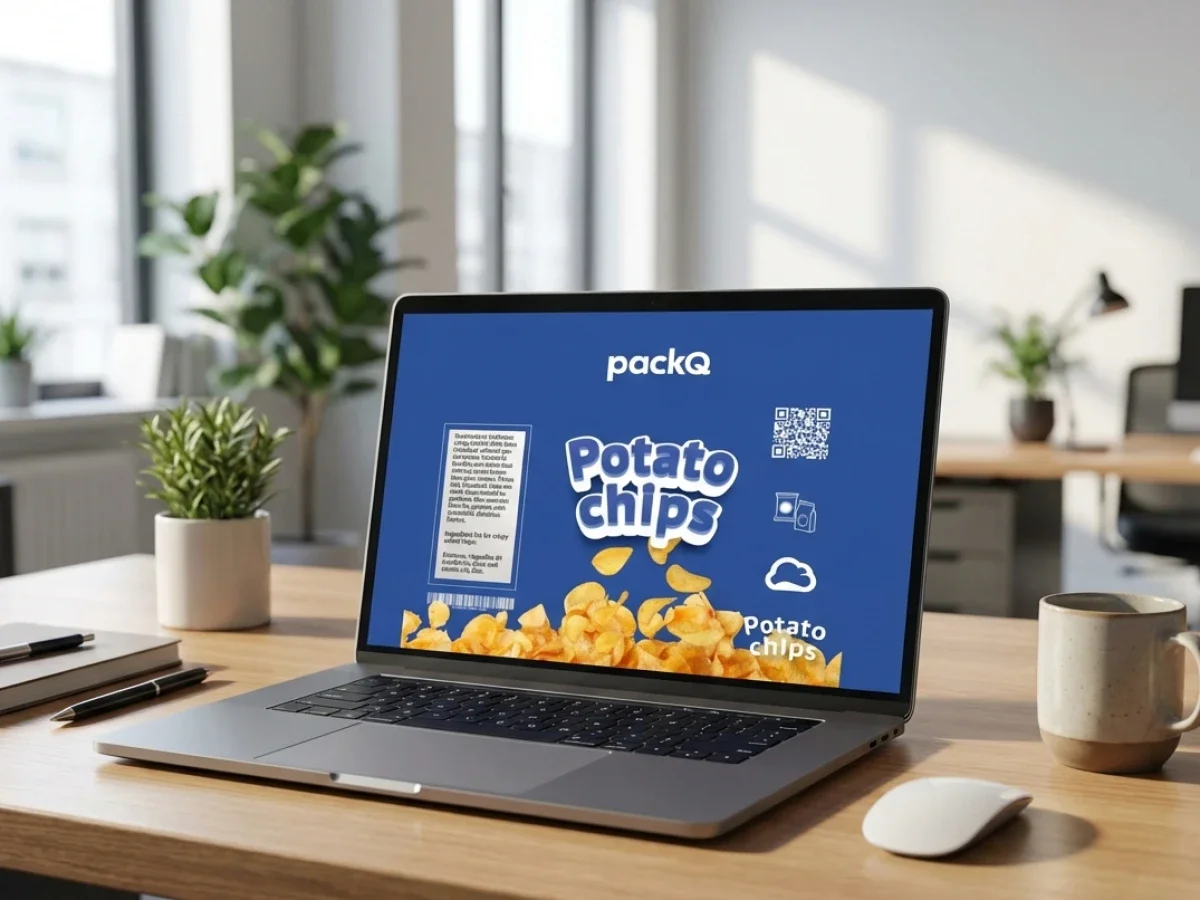
Produktverpackungsdesign-Software für schnellere Markteinführungen
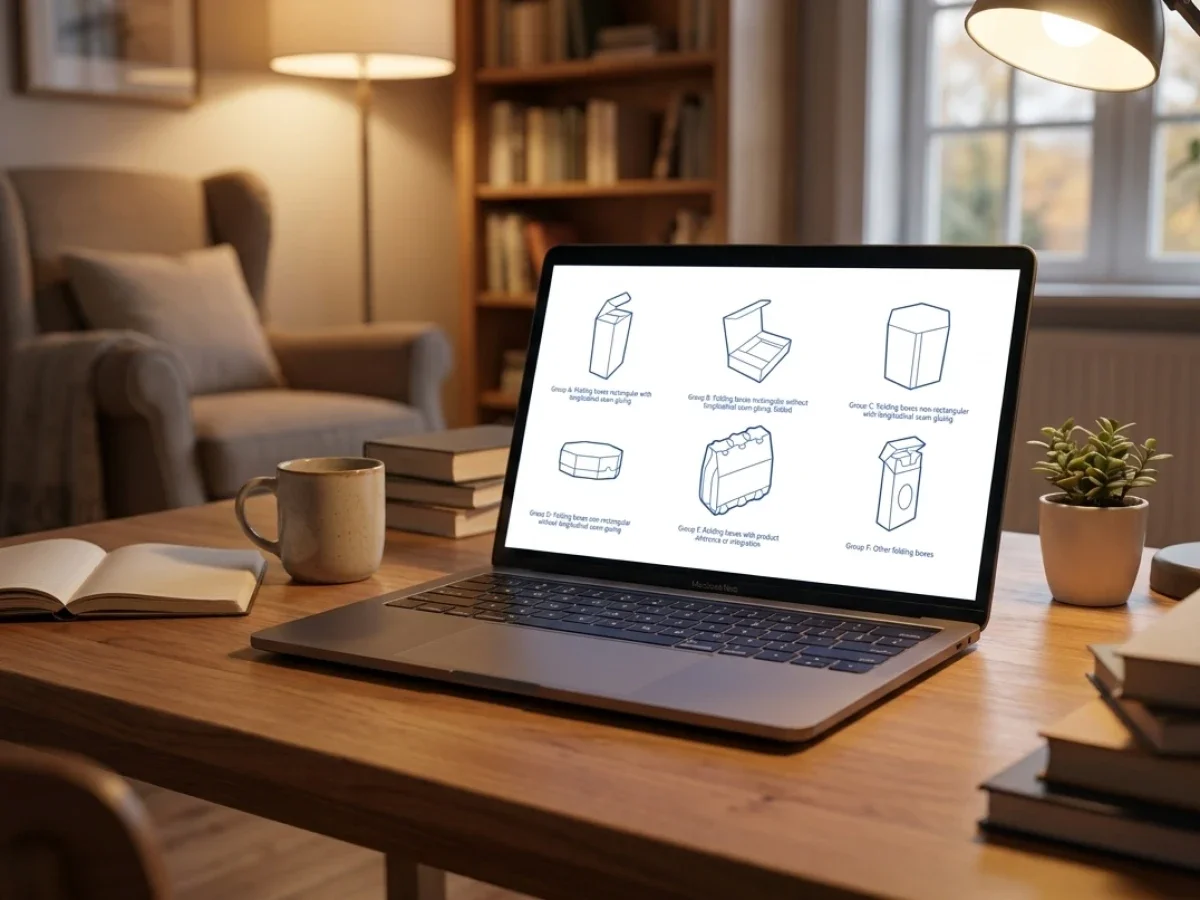
Product packaging design software is most valuable when it shortens the path from packaging idea to approved, production-ready output. For brand owners, printers, and packaging manufacturers, the main challenge is not only creating attractive packaging; it is managing reviews, file quality, standards, pricing, and production handoff without slowing the launch. packQ by CloudLab connects browser-based 3D design, ECMA and FEFCO structures, Dynamic Preflight, real-time pricing, and API-first integration in one Web-to-Pack workflow. That makes packaging design faster, more controlled, and safer for brand-critical launches.
Product Packaging Design Software Has Become a Launch System
Product packaging design software is no longer just a creative tool for building packaging visuals. For professional packaging operations, it has become a workflow layer between brand strategy, technical packaging design, approval management, prepress, and production.
That shift matters because packaging launches are rarely delayed by one single problem. Delays usually come from many small gaps: a missing artwork correction, unclear approval status, an outdated dieline, a manual price recalculation, or a file issue discovered too late.
For brand owners, these gaps affect market timing. For printers and packaging manufacturers, they affect throughput and margin. For e-commerce platforms, they affect customer experience. For technology teams, they create integration debt because packaging data moves through too many disconnected systems.
packQ addresses this as a Web-to-Pack platform rather than a standalone editor. The platform connects design, visualization, validation, pricing, and production-ready output in a browser-based workflow. That is the difference between making packaging look good on screen and making packaging ready for launch.
Why Faster Launches Depend on Controlled Packaging Workflows
A packaging launch can involve marketing, procurement, regulatory teams, prepress, production, and external packaging suppliers. Each group evaluates the package from a different angle. Marketing checks the brand impact. Procurement checks cost and repeatability. Prepress checks technical quality. Production checks whether the file can actually be manufactured.
When these checks happen in separate systems, launch speed suffers.
A flat proof may satisfy one team but leave another team with open questions. A design file may be visually approved but technically incomplete. A new SKU may be commercially approved but still require manual estimation. These are not edge cases. They are normal symptoms of fragmented packaging workflows.
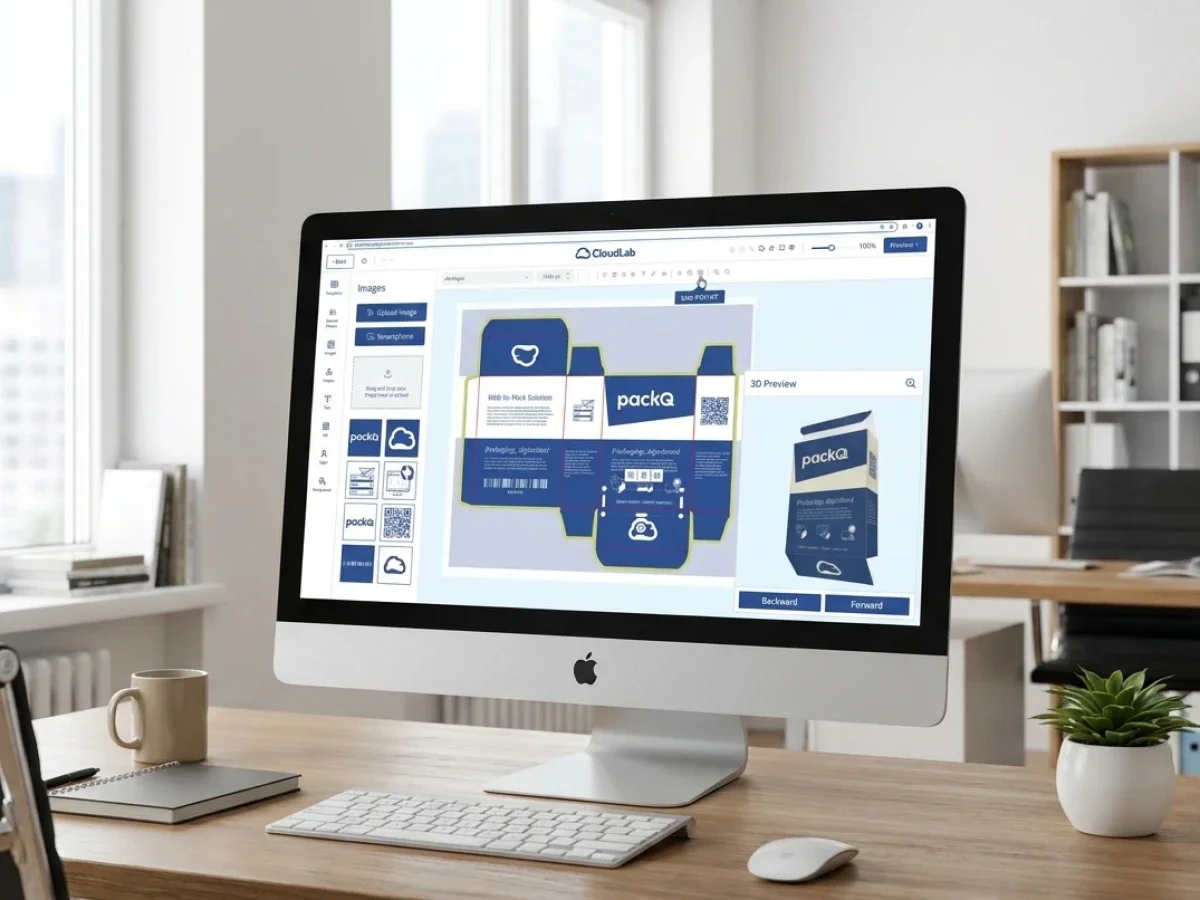
packQ reduces this fragmentation by moving key decisions into a connected environment. The 3D Packaging Designer gives stakeholders a realistic view of the package in the browser. Dynamic Preflight checks technical data before files move downstream. ECMA and FEFCO templates keep packaging structures aligned with production standards. Real-time pricing helps teams understand commercial consequences during configuration instead of after the fact.
This makes the launch process less dependent on manual interpretation.
Which Product Packaging Design Software Helps Brands Launch Packaging Faster?
Product packaging design software helps brands launch faster when it combines 3D approval, standardized packaging structures, automated file checks, pricing logic, and production-ready output. packQ supports this process by giving brand owners, printers, and packaging manufacturers a Web-to-Pack workflow that connects packaging design, Dynamic Preflight, ECMA/FEFCO templates, ERP/MIS integration, and production-safe PDF generation.
For brand owners, the practical value is speed with control. A faster launch is only useful if the approved packaging remains brand-compliant and production-safe. packQ supports this by creating a structured environment where users can configure packaging, review it in 3D, and validate print data before the order enters production.
For packaging manufacturers, the value is operational reliability. A customer-facing design workflow only works when the output can be used by prepress and production. packQ connects the approval process with the technical requirements behind it, which reduces the risk of approved designs becoming production problems.
The Brand Approval Problem
Brand approvals often fail because stakeholders do not review the same object. A marketing team may approve a visual mockup. A packaging engineer may review a technical layout. A print supplier may receive a file that differs from both.
That gap creates rework.
The issue becomes more serious when teams manage many SKUs, seasonal campaigns, regional variants, or pharmaceutical packaging with strict content requirements. In those environments, the approval process must be faster, but it also has to be more traceable.
packQ supports brand approval by turning packaging design into a controlled workflow. The browser-based interface helps non-CAD users inspect the package visually, while the underlying structure remains connected to standardized packaging logic and production data.
Software Packaging Design Workflows Need More Than Visual Editing
The phrase software packaging design often suggests artwork editing or 3D mockup creation. In professional environments, that is only one part of the job.
A packaging workflow must answer operational questions:
Can the chosen structure be produced?
Is the artwork placed correctly across panels?
Does the file meet resolution and color requirements?
Can the approved job move into ERP, MIS, prepress, and production without being rebuilt?
A standalone design tool may help with creative exploration, but launch execution requires more. The system must connect front-end design decisions with back-end production logic. This is where packQ’s Web-to-Pack architecture becomes relevant.
The platform is designed around packaging-specific requirements: synchronized 2D and 3D design, ECMA and FEFCO structures, real-time rendering, Dynamic Preflight, variable data workflows, live pricing, and API-first integration. These functions are valuable because they reduce the number of manual decisions required after approval.
Why Do Packaging Launches Get Delayed During Brand Approval?
Packaging launches get delayed when brand approval, artwork validation, pricing, and production checks happen in separate workflows. Teams may approve the visual design before technical issues such as bleed, resolution, color mode, fonts, or structural alignment are resolved. packQ reduces these delays through real-time 3D preview, Dynamic Preflight, standardized ECMA/FEFCO templates, and automated production-ready output.
For brand owners managing frequent product updates, the approval process becomes a bottleneck when each small change requires manual coordination. A new product variant may need updated artwork, a slightly different carton size, a new language version, or a campaign-specific graphic. None of these changes is unusual, but together they create a heavy workload.
The problem is not that teams lack expertise. The problem is that expertise is often applied too late.
Prepress teams discover technical issues after approval. Production teams receive specifications that require clarification. Sales teams answer pricing questions that could have been calculated automatically. The launch calendar then absorbs every delay.
packQ shifts validation earlier. The customer or internal user can review the package in 3D, correct issues during configuration, and submit cleaner data. This does not remove professional review where it is needed, but it reduces preventable correction loops.
Use Case: Multi-SKU Brand Launch
A consumer brand preparing a new product line may need packaging for several SKUs with similar structures and different artwork. In a traditional workflow, every variant moves through separate proofing, checking, and approval rounds.
With packQ, the brand or packaging supplier can define a controlled workflow around approved structures. Users select the correct packaging type, apply artwork, inspect the result in 3D, and validate technical requirements before submission. If Variable Data Printing is needed, PDF/VT support helps manage personalized or variant-based output without rebuilding every file manually.
The result is not just faster design. It is a more reliable launch path from approved concept to production-ready data.
How 3D Approval Protects Brand Decisions
Brand approval is partly emotional and partly technical. A package has to look right, but it also has to fold, print, and function correctly.
This is where browser-based 3D review has a practical role. It helps stakeholders understand the package as a finished object instead of interpreting a flat layout. A front panel, side panel, lid, flap, or closing area becomes easier to evaluate when the design is shown on the constructed package.
packQ’s 3D Packaging Designer supports synchronized 2D and 3D design. When users adjust artwork or text in the layout, the 3D preview reflects the change. That connection matters for approvals because it gives teams a shared reference point.
For marketing teams, the benefit is visual clarity. For prepress teams, it reduces ambiguity around placement. For production teams, it supports cleaner handoff because the visual approval remains tied to a structured packaging workflow.
ECMA and FEFCO Standards Reduce Launch Risk
Fast packaging launches need controlled flexibility. Teams need enough freedom to adapt dimensions, artwork, and variants, but not so much freedom that each order becomes a custom engineering project.
ECMA and FEFCO standards solve part of this problem by providing recognized packaging structures. packQ integrates these standards into the online workflow with approximately 120 ECMA folding carton types, approximately 290 FEFCO corrugated packaging types, and approximately 50 POS display models.
This is not just a large template library. It is a production strategy.
When users configure packaging from standardized structures, the design process becomes easier to automate. The customer or internal user can work within validated options, while the system maintains the structural logic needed for output.
For folding carton manufacturers, this improves repeatability. For corrugated producers, it supports scalable configuration. For brand owners, it creates confidence that the selected packaging structure is not just visually appealing but technically grounded.
Browser-Based Web-to-Pack vs. Standalone Design Tools
Browser-based Web-to-Pack is stronger than standalone design tools when packaging design must connect brand approval, preflight validation, price calculation, and production output. Standalone tools can support creative design or visualization, but they often require manual transfer into production systems. packQ combines packaging-specific design, 3D approval, Dynamic Preflight, and ERP/MIS integration in one connected workflow.
A standalone design tool can be useful during concept development. It may help teams explore visual directions, create mockups, or prepare early ideas. That stage has value, especially for creative teams.
The limitation appears when the approved design must become a production order.
At that point, the workflow needs structural accuracy, print validation, commercial logic, and system integration. A mockup alone cannot provide these requirements. A file that looks correct may still lack bleed, use unsuitable image resolution, contain font issues, or require manual conversion before production.
packQ fits the later, more operational stage of packaging design. It does not treat visual design as separate from production readiness. Instead, it connects the design experience with packaging standards, Dynamic Preflight, real-time pricing, and production-safe PDF output.
Web-to-Print vs. Web-to-Pack
Web-to-Print workflows are usually built around flat print products. Packaging adds structural complexity. A carton, mailer, or display is not only a printed surface; it is a physical object with folds, closures, panels, and material behavior.
Web-to-Pack has to manage that complexity.
packQ focuses on packaging rather than generic print customization. This focus matters because the approval process must reflect the final three-dimensional object. It also matters because production output must include packaging-specific data, not just print artwork.
For decision-makers, the comparison is simple. Web-to-Print is suitable for many flat print applications. Web-to-Pack is required when packaging structure, 3D approval, and production-safe packaging output are central to the workflow.
Dynamic Preflight Makes Brand Approval Safer
A brand-approved file is not automatically a production-ready file. That distinction is critical.
Dynamic Preflight helps close the gap by checking technical requirements during the design and ordering process. In packQ, this includes checks such as resolution, color mode, bleed, and fonts. These checks help identify problems before the job reaches the later stages of prepress or production.
For brand teams, this creates a smoother approval experience because errors are flagged earlier. For packaging manufacturers, it reduces the volume of preventable corrections. For prepress teams, it protects capacity by minimizing routine file repair.
The timing is the key advantage. A file issue discovered after approval creates delay. A file issue discovered during configuration can be fixed before the job enters the production queue.
AI Designer Suite and Brand Asset Quality
Many packaging launches involve imperfect assets. A logo may arrive as a low-resolution image. A product photo may need a clean background. A graphic may need to be sharpened before print.
These small issues can slow launch workflows when they require external editing or manual prepress intervention.
packQ’s AI Designer Suite addresses this inside the browser. Vectorization helps convert raster elements into cleaner graphics. Crispify improves image resolution with 4× higher output. Background removal helps prepare visuals more quickly for packaging layouts.
The value is not that AI replaces professional design work. The value is that common asset problems can be resolved earlier in the workflow.
For e-commerce sellers and smaller brands, that lowers the barrier to professional packaging. For larger brand owners, it reduces the number of small corrections that slow down routine packaging updates.
How Do You Implement Product Packaging Design Software in a Brand Approval Workflow?
Product packaging design software should be implemented by mapping the full approval path from design input to production output. With packQ, brand owners and packaging manufacturers can connect shop, ERP, MIS, prepress, and production systems through an API-first and headless Web-to-Pack architecture using REST, SOAP, or JSON where relevant. This keeps design approval linked to validated production data.
The implementation should start with governance. A brand approval workflow needs clear rules for who can edit, who can approve, which templates are available, and which production requirements must be checked before submission.
Once these rules are defined, technology teams can build the system around them.
A practical implementation usually follows this sequence:
- Define packaging families, such as folding cartons, corrugated boxes, displays, or flexible packaging.
- Assign approved ECMA or FEFCO structures where standardization is possible.
- Configure brand templates, editable areas, and approval permissions.
- Verbinden Sie die 2D-Bearbeitung mit der Echtzeit-3D-Überprüfung.
- Wenden Sie dynamische Preflight-Regeln für Auflösung, Farbmodus, Beschnitt, Schriftarten und Dateiqualität an.
- Verbinden Sie die Preislogik mit den Konfigurationsoptionen.
- Integrieren Sie Bestelldaten in Shop-, ERP-, MIS-, Prepress- und Produktionssysteme.
- Generieren Sie nach Freigabe produktionsreife PDFs und relevante Produktionsdaten.
Ziel ist es nicht, eine weitere Designumgebung zu schaffen. Ziel ist es, einen kontrollierten Einführungsworkflow zu etablieren.
Anwendungsbeispiel: Markeninhaber und Verpackungslieferant
Ein Markeninhaber mit häufigen Produkteinführungen kann ein geschlossenes Portal für freigegebene Verpackungslinien nutzen. Der Verpackungslieferant pflegt Strukturvorlagen und Produktionseinstellungen. Das Markenteam arbeitet innerhalb freigegebener Designbereiche und prüft die Verpackung in 3D vor der Einreichung.
Wenn die Marke das Design freigibt, kann packQ den Übergang in die Produktion unterstützen, indem es Dateien validiert, Preise kalkuliert und produktionssichere Ausgaben generiert. Die ERP- und MIS-Integration kann dann Bestelldaten in den operativen Workflow übertragen, ohne manuelle Neueingabe zu erfordern.
Dieser Ansatz weist jedem Team eine klarere Rolle zu. Markenteams steuern Inhalte und Freigaben. Verpackungshersteller kontrollieren Produktionsregeln. Technologieteams pflegen die Integration über Systeme hinweg.
Open-Shop- und Closed-Shop-Einführungsmodelle
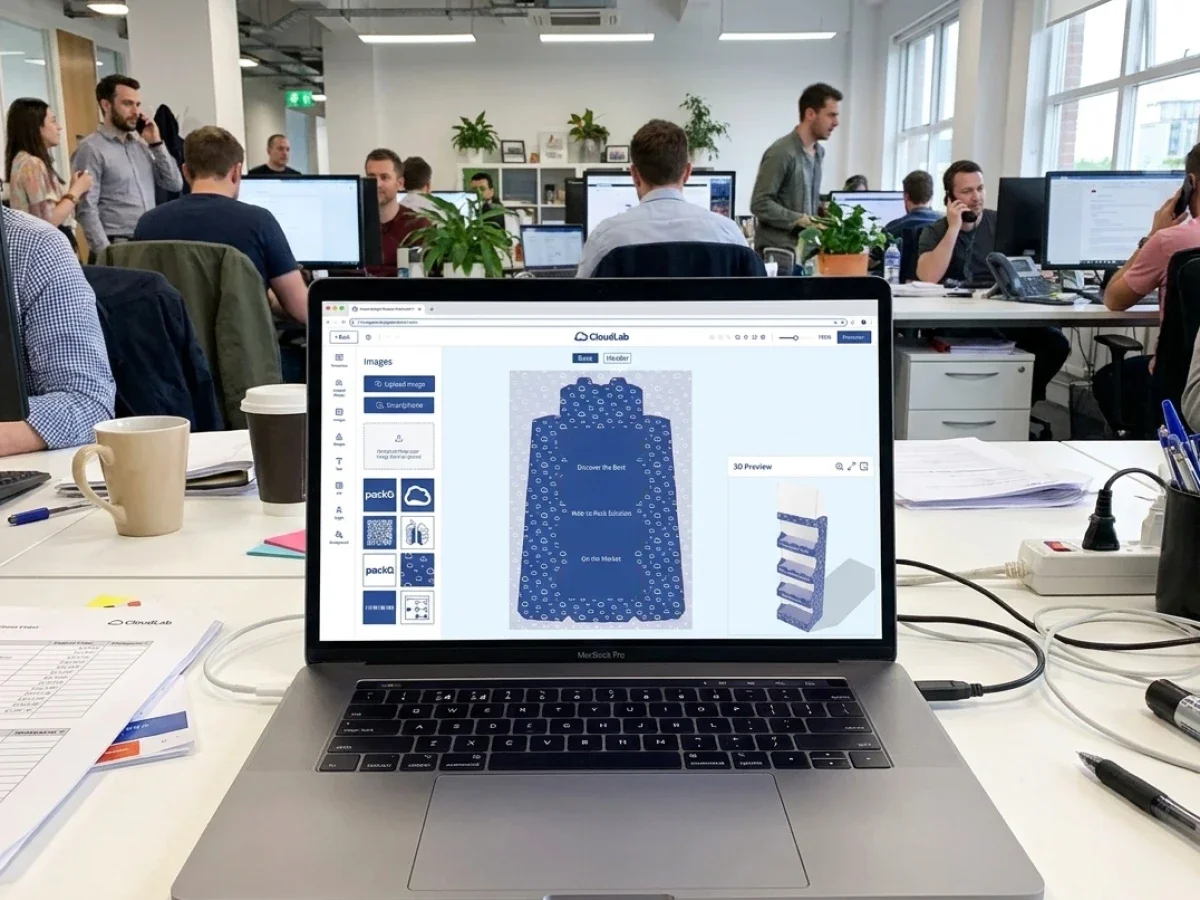
Software für Verpackungsdesign muss verschiedene Geschäftsmodelle unterstützen. Open-Shop- und Closed-Shop-Workflows lösen unterschiedliche Probleme, und viele Verpackungshersteller benötigen beides.
Ein Open-Shop unterstützt eine breite Online-Bestellung. Er ist nützlich für Start-ups, E-Commerce-Anbieter, kleine Marken und Käufer, die Verpackungen ohne langen Verkaufsprozess benötigen. Der Schwerpunkt liegt auf Zugänglichkeit, klarer Konfiguration, automatisierter Preisgestaltung und schneller Freigabe.
Ein Closed-Shop unterstützt die kontrollierte Bestellung für spezifische Kunden. Er ist nützlich für Markeninhaber, Pharmaunternehmen, Industriekäufer und Großkunden mit wiederkehrendem Verpackungsbedarf. Der Schwerpunkt liegt auf Governance, Markenkontrolle, Wiederholbarkeit und Integration mit Beschaffungs- oder ERP-Systemen.
packQ kann beide Modelle unterstützen, da es als skalierbare Web-to-Pack-Plattform konzipiert ist. Diese Flexibilität ist wichtig für Verpackungshersteller, die kleine Online-Kunden bedienen möchten und gleichzeitig Großkunden mit strengeren Freigabeanforderungen unterstützen.
Wie können Markeninhaber Software für Verpackungsdesign für schnellere und sicherere Produkteinführungen nutzen?
Markeninhaber können Software für Verpackungsdesign nutzen, um Produkteinführungen zu beschleunigen, indem sie Verpackungsstrukturen standardisieren, bearbeitbare Markenbereiche kontrollieren, Designs in 3D überprüfen, Artwork vor der Freigabe validieren und produktionsreife Daten generieren. Mit packQ kann dieser Workflow ECMA/FEFCO-Vorlagen, Dynamisches Preflight, browserbasiertes Design, Echtzeit-Preise, PDF/VT-Personalisierung und ERP/MIS-Integration umfassen.
Ausgangssituation
Ein Markeninhaber verwaltet häufige Verpackungsaktualisierungen über mehrere SKUs, Märkte oder Kampagnenversionen hinweg. Das Marketing braucht Geschwindigkeit. Der Einkauf braucht Kostentransparenz. Regulierungs- oder Markenteams brauchen Kontrolle. Der Verpackungslieferant braucht saubere Dateien und zuverlässige Produktionsdaten.
Wenn jedes Update über E-Mail, statische Korrekturabzüge und manuelle Prüfungen läuft, sinkt die Einführungsgeschwindigkeit. Der Prozess wird von Koordination statt von Workflow-Design abhängig.
Technische Anforderung
Die Marke benötigt eine kontrollierte Umgebung, in der Benutzer Verpackungen ändern können, ohne Produktionsregeln zu verletzen. Das bedeutet genehmigte Vorlagen, eingeschränkte Bearbeitungsrechte, visuelle Überprüfung, technische Dateiprüfung und zuverlässige Übergabe an den Lieferanten.
Für Verpackungshersteller muss das System auch die Ausgabequalität schützen. Ein schnelleres Kundenportal funktioniert nur, wenn die resultierenden Dateien in der Produktion nutzbar sind.
Workflow in packQ
In packQ können die Marke oder der Lieferant Verpackungsstrukturen basierend auf ECMA- oder FEFCO-Standards definieren. Benutzer arbeiten in einem browserbasierten Editor, wenden genehmigte Marken-Assets an und überprüfen das Ergebnis über synchronisierte 2D- und 3D-Ansichten.
Dynamisches Preflight prüft die Dateiqualität vor der Freigabe. Wenn Personalisierung erforderlich ist, unterstützt PDF/VT die Ausgabe variabler Daten. Echtzeit-Preise können die kommerziellen Auswirkungen von Mengen-, Format- oder Konfigurationsänderungen aufzeigen. Nach der Freigabe können produktionsreife PDFs und Bestelldaten in verbundene Systeme überführt werden.
Vorteil für Einführung und Produktion
Der Einführungsprozess wird schneller, weil weniger Entscheidungen außerhalb des Workflows getroffen werden. Die Markenfreigabe wird sicherer, weil Benutzer die fertige Verpackung in 3D sehen und innerhalb kontrollierter Vorlagen arbeiten. Die Produktion wird zuverlässiger, weil die genehmigte Ausgabe vor der Übergabe validiert wird.
Für Markeninhaber ist der Hauptvorteil kontrollierte Geschwindigkeit. Für Verpackungshersteller ist der Hauptvorteil sauberere eingehende Arbeit. Für Technologieteams ist der Hauptvorteil eine skalierbare Systemarchitektur, die sich mit bestehenden ERP-, MIS-, Shop- und Produktionsumgebungen verbinden lässt.
Variabler Datendruck und Losgröße Eins
Bei der Einführungsgeschwindigkeit geht es nicht nur darum, ein Paket schneller freizugeben. Viele Marken benötigen heute mehr Varianten, kleinere Auflagen, lokalisierte Kampagnen und personalisierte Verpackungen.
Die manuelle Dateivorbereitung skaliert in diesem Umfeld nicht gut.
packQ unterstützt Variabler Datendruck mit PDF/VT, was es ermöglicht, personalisierte oder variantenbasierte Verpackungsausgaben effizienter zu verwalten. Dies ist besonders relevant für Kampagnenverpackungen, regionale Versionen, serialisierte Verpackungen und Produktionsmodelle mit Losgröße Eins.
Für Marketingteams schafft dies mehr Raum für zielgerichtete Verpackungskonzepte. Für Verpackungshersteller unterstützt es neue Kleinserien- und Personalisierungsdienste, ohne jede Variante zu einem manuellen Prepress-Projekt zu machen.
API-First-Integration wandelt Design in operative Daten
Verpackungsdesign wird wertvoller, wenn es sauber in operative Systeme eingespeist wird. Deshalb ist eine API-First-Architektur so entscheidend.
packQ wurde entwickelt, um sich in bestehende Umgebungen zu integrieren, anstatt Unternehmen zu zwingen, ihre gesamte Systemlandschaft neu aufzubauen. Durch eine Headless- und API-First-Architektur können Unternehmen Verpackungsportale mit Shopsystemen, ERP, MIS, Prepress-Workflows und Produktionsumgebungen verbinden.
REST, SOAP und JSON können je nach Technologie-Stack relevant sein. Das praktische Ziel ist klar: Verpackungsdaten sollten nicht manuell von einem System in ein anderes kopiert werden.
Wenn die Integration gut funktioniert, fließen genehmigte Designdaten, Bestelldaten, Preisdaten und Produktionsergebnisse zusammen. Das reduziert den Verwaltungsaufwand und verbessert die Prozesssicherheit.
Warum Produktverpackungsdesign-Software die Marktreife definiert
Produktverpackungsdesign-Software definiert heute die Marktreife, weil die Verpackungsfreigabe untrennbar mit Produktionssicherheit, Markenkontrolle und Workflow-Integration verbunden ist. Eine Verpackung ist nicht marktreif, wenn sie in einem Mockup gut aussieht. Sie ist bereit, wenn die Struktur gültig ist, das Artwork genehmigt ist, die Datei relevante Prüfungen bestanden hat, der Preis klar ist und die Produktion die Ausgabe ohne Neuaufbau des Auftrags verwenden kann.
packQ von CloudLab unterstützt dieses vernetzte Modell durch Web-to-Pack-Automatisierung, browserbasiertes 3D-Design, ECMA- und FEFCO-Standards, Dynamic Preflight, AI Designer Suite Tools, PDF/VT-Personalisierung, Echtzeit-Preise und API-First ERP/MIS-Integration.
Für Markeninhaber hilft packQ, Freigaben schneller und sicherer zu gestalten. Für Druckereien und Verpackungshersteller reduziert es manuelle Korrekturschleifen und unterstützt eine skalierbare Produktion. Für Technologieteams bietet es eine strukturierte Plattform zur Integration von Verpackungsdesign in umfassendere digitale Workflows.
Der Kernpunkt ist einfach: Schnellere Markteinführungen erfordern mehr als nur schnelleres Design. Sie erfordern einen Verpackungs-Workflow, bei dem Freigabe, Validierung und Produktionsreife Hand in Hand gehen.
Produktverpackungsdesign-Software entwickelt sich zu einem startkritischen System für Marken, Druckereien und Verpackungshersteller. Es zeigt, wie packQ browserbasiertes 3D-Design, ECMA- und FEFCO-Strukturen, Dynamic Preflight, KI-gestützte Artwork-Optimierung, Echtzeit-Preise, PDF/VT-Personalisierung und ERP/MIS-Integration in einem Web-to-Pack-Workflow verbindet. Der Fokus liegt auf schnelleren Markteinführungen, sichereren Markenfreigaben, saubereren Produktionsdaten und weniger manuellen Korrekturschleifen. Für Teams, die viele SKUs, Kampagnenvarianten oder Kundenportale verwalten, bietet packQ einen praktischen Rahmen, um Verpackungsdesign in eine produktionsreife Umsetzung zu verwandeln.