
Digital Packaging Tools and Resources | Cloud Packaging
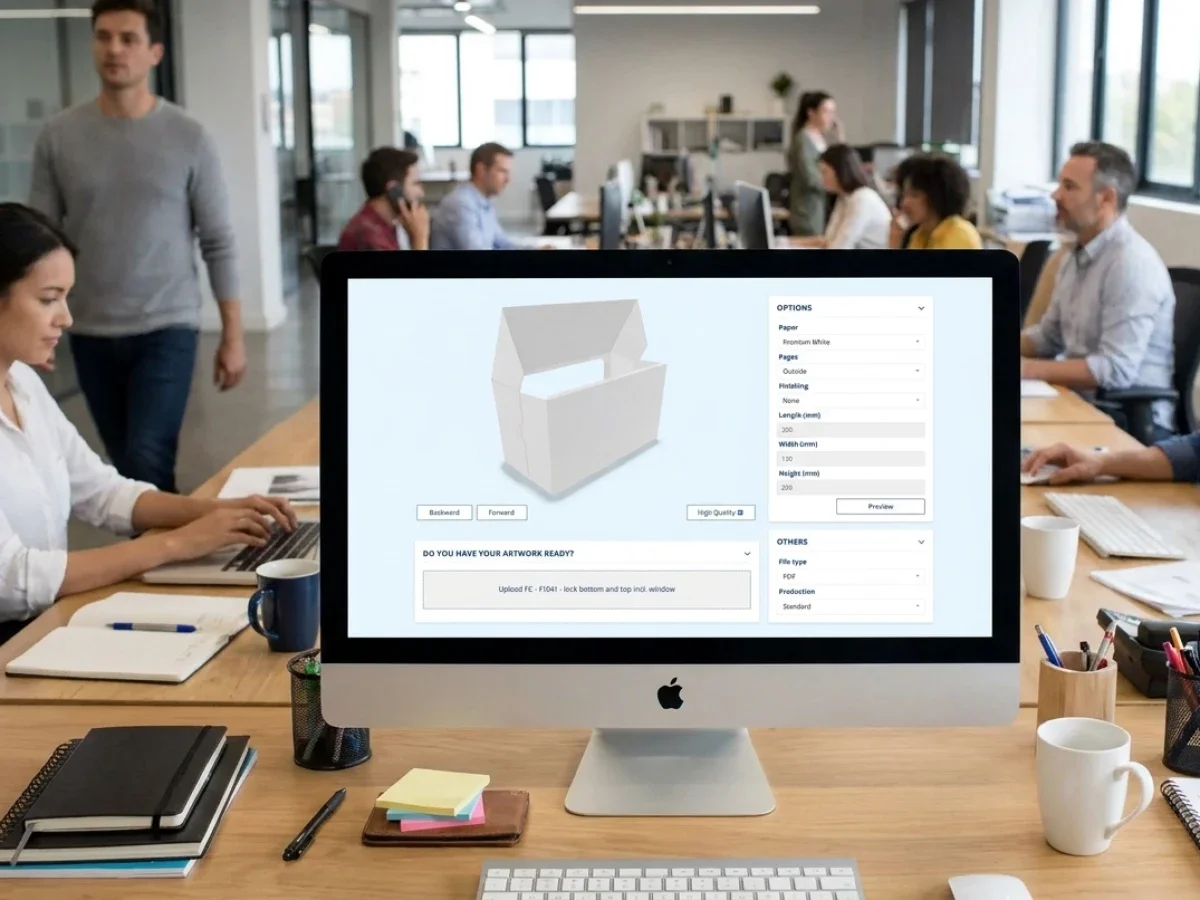
Digital packaging tools and resources enable packaging manufacturers, brand owners, and technology teams to manage structural design, artwork, approvals, validation, and production preparation within a single cloud environment. Instead of moving data between disconnected systems, packQ connects every stage of the packaging lifecycle through browser-based Web-to-Pack technology, synchronized 2D and 3D visualization, Dynamic Preflight, and API-first integration. The result is faster collaboration, fewer technical errors, and production-ready packaging without unnecessary media breaks.
Digital packaging is becoming the foundation of connected packaging development
Packaging projects have become considerably more complex during the last decade. Marketing teams expect shorter launch cycles, procurement departments demand standardized processes, production facilities require reliable manufacturing data, and customers increasingly expect online configuration and immediate feedback. At the same time, packaging itself has evolved into a highly individualized product with countless variants, regional adaptations, seasonal campaigns, and personalized designs.
Many organizations still rely on workflows that were originally designed for far less complexity. Structural engineering, artwork creation, customer communication, approvals, technical validation, pricing, and production planning often exist as isolated process steps connected only through exported files, emails, or manually updated documents. Every additional handover increases the likelihood that outdated information enters production or that teams spend valuable time verifying which document is actually the latest version.
This is exactly where digital packaging tools and resources change the entire process. Instead of treating every department as a separate workstation, modern cloud platforms establish one digital environment in which packaging data remains connected throughout the complete product lifecycle. Structural parameters, artwork, pricing information, technical validations, approval status, and production files become different views of the same project instead of independent documents that constantly require synchronization.
CloudLab developed packQ specifically around this philosophy. Rather than functioning as another design application, packQ acts as a browser-based Web-to-Pack platform that connects packaging configuration, structural development, graphical editing, approval management, Dynamic Preflight, production preparation, and enterprise integration in one continuous workflow. This integrated approach has made packQ an established solution for packaging manufacturers, brand owners, e-commerce providers, and technology teams looking to eliminate unnecessary manual work without disrupting existing production environments.
Which digital packaging tools and resources create measurable operational improvements?
Organizations achieve the greatest return from digital packaging tools and resources when every packaging activity becomes part of one connected workflow instead of being distributed across multiple isolated applications. packQ combines browser-based packaging configuration, synchronized 2D and 3D visualization, Dynamic Preflight, ECMA and FEFCO libraries, production-ready PDF generation, and API-first integration so that design, validation, approval, and manufacturing preparation progress simultaneously rather than sequentially.
The difference between traditional software environments and modern Web-to-Pack platforms is less about individual functionality than about process continuity. Most packaging companies already own capable engineering software, design applications, and production systems. Their biggest challenge is ensuring that information moves reliably between them without introducing manual corrections at every stage.
When structural engineers modify dimensions, marketing departments should immediately review the updated package. When graphics change, production specifications should remain synchronized. When customers approve artwork, manufacturing should receive validated production files rather than another version requiring additional checks. Connected cloud workflows make these transitions automatic instead of administrative.
This process becomes increasingly valuable for folding carton manufacturers managing hundreds of standardized ECMA constructions, corrugated producers working with configurable FEFCO packaging, brand owners coordinating international product launches, and e-commerce platforms processing large numbers of customized packaging orders. Rather than maintaining independent software environments for every department, organizations establish one digital process that accompanies packaging from its initial configuration through final production.
Why cloud packaging reduces complexity instead of adding another software layer
Many decision-makers initially associate cloud software with another application that employees must learn alongside existing systems. In practice, successful cloud packaging platforms reduce complexity because they eliminate the repetitive transfer of information between departments.
Traditional packaging workflows frequently require identical project information to be entered multiple times. Product specifications move from sales into engineering, structural data is transferred into artwork preparation, production parameters are recreated for manufacturing, and approval documents circulate separately from technical files. Although each individual task appears manageable, the cumulative administrative effort becomes substantial across hundreds or thousands of packaging projects every year.
Cloud packaging approaches the workflow differently. The packaging project itself becomes the central source of information. Every authorized participant accesses the same project through a browser, regardless of department or location. Changes become immediately visible across the entire workflow without requiring additional exports, duplicated documentation, or repeated data entry.
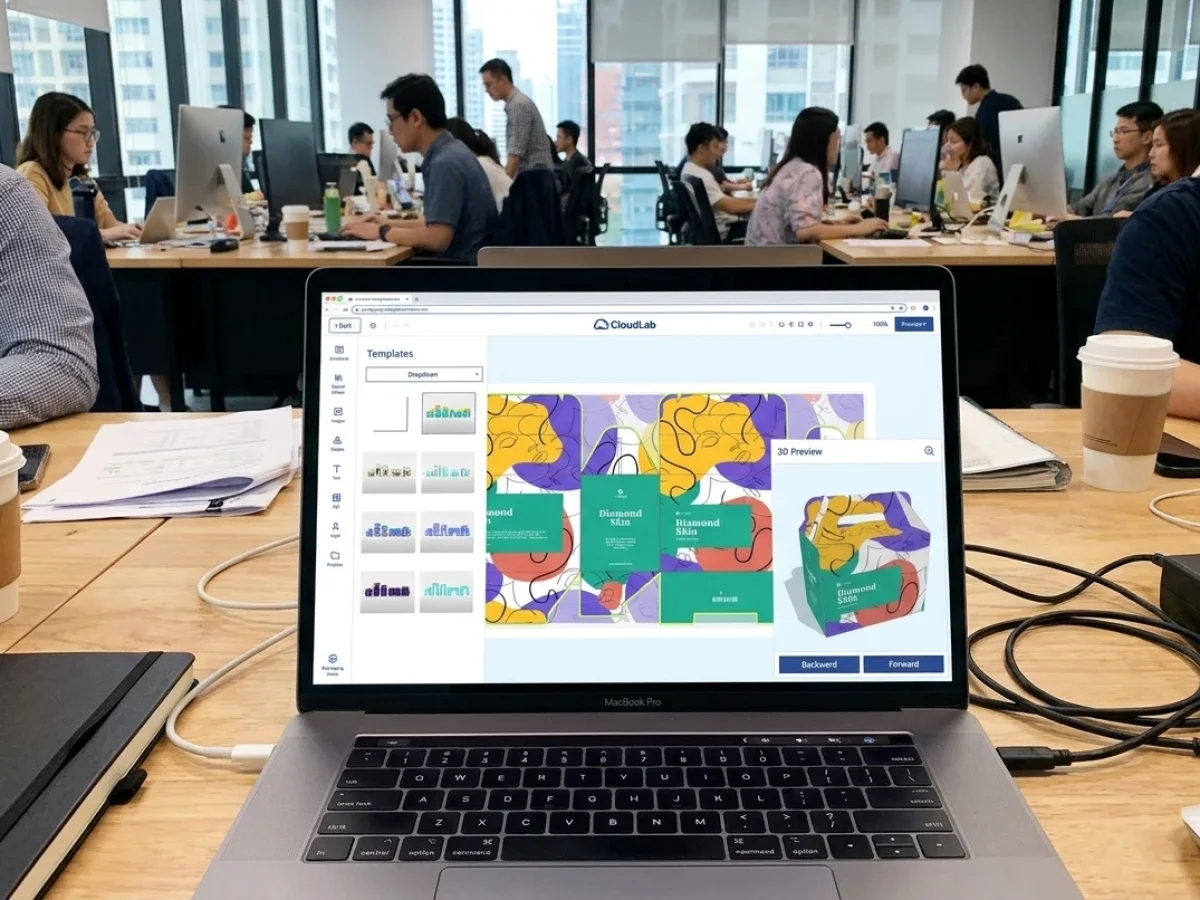
Within packQ, synchronized 2D and 3D visualization ensures that structural modifications and graphical layouts always remain connected. Dynamic Preflight continuously evaluates technical production criteria while users continue working instead of postponing validation until artwork has already been approved. Production-ready PDF output is generated directly from validated project data, allowing manufacturing teams to receive consistent files that accurately reflect the approved packaging configuration.
Because the platform follows an API-first architecture, organizations are not forced to replace their ERP, MIS, shop, or production systems. Instead, packQ extends these environments by providing specialized Web-to-Pack functionality while exchanging information through standardized REST, SOAP, and JSON interfaces. This architectural approach allows companies to modernize packaging development incrementally without redesigning their complete IT landscape.
Eliminating media breaks throughout the packaging lifecycle
Media breaks remain one of the largest hidden cost drivers in packaging development. They rarely originate from technical limitations but from disconnected workflows in which structural engineers, designers, prepress specialists, sales teams, and production planners each work within their own software environment. Every exported PDF, manually updated spreadsheet, or emailed approval introduces another opportunity for inconsistent information to enter production.
A cloud-based workflow changes this fundamentally. Instead of transferring files between departments, the project itself becomes the single source of truth. Every participant works on the same packaging configuration, sees identical project data, and accesses the latest approved version without searching through emails or local folders. This significantly reduces coordination effort while improving transparency across the entire organization.
Within packQ, structural parameters, graphical layouts, approval status, production specifications, and pricing remain synchronized throughout the project lifecycle. Browser-based collaboration ensures that modifications become immediately available to every authorized stakeholder without interrupting ongoing work. The result is a continuous digital workflow instead of a sequence of disconnected process steps.
Why disconnected packaging data creates unnecessary production risks
Packaging projects combine structural engineering, graphic design, branding, technical print requirements, and manufacturing specifications. If even one of these disciplines becomes disconnected from the others, production quality quickly suffers. Outdated dielines, misplaced graphics, missing bleed, incorrect color profiles, or obsolete approval files often originate from inconsistent project versions rather than technical mistakes.
For packaging manufacturers, these inconsistencies frequently become visible only after production preparation has already begun. Correcting artwork at this stage delays scheduling, increases administrative effort, and often requires additional customer communication. Even small modifications can trigger repeated validation cycles across several departments.
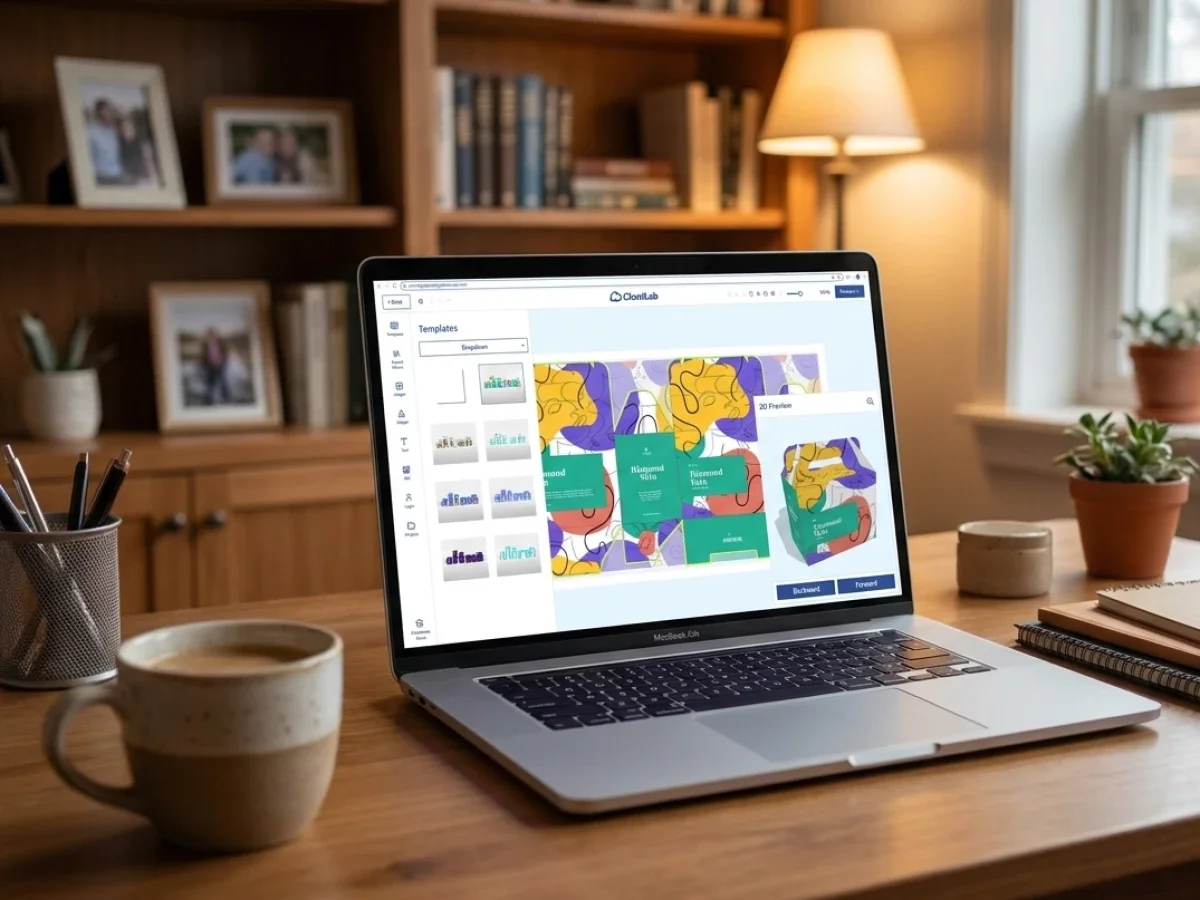
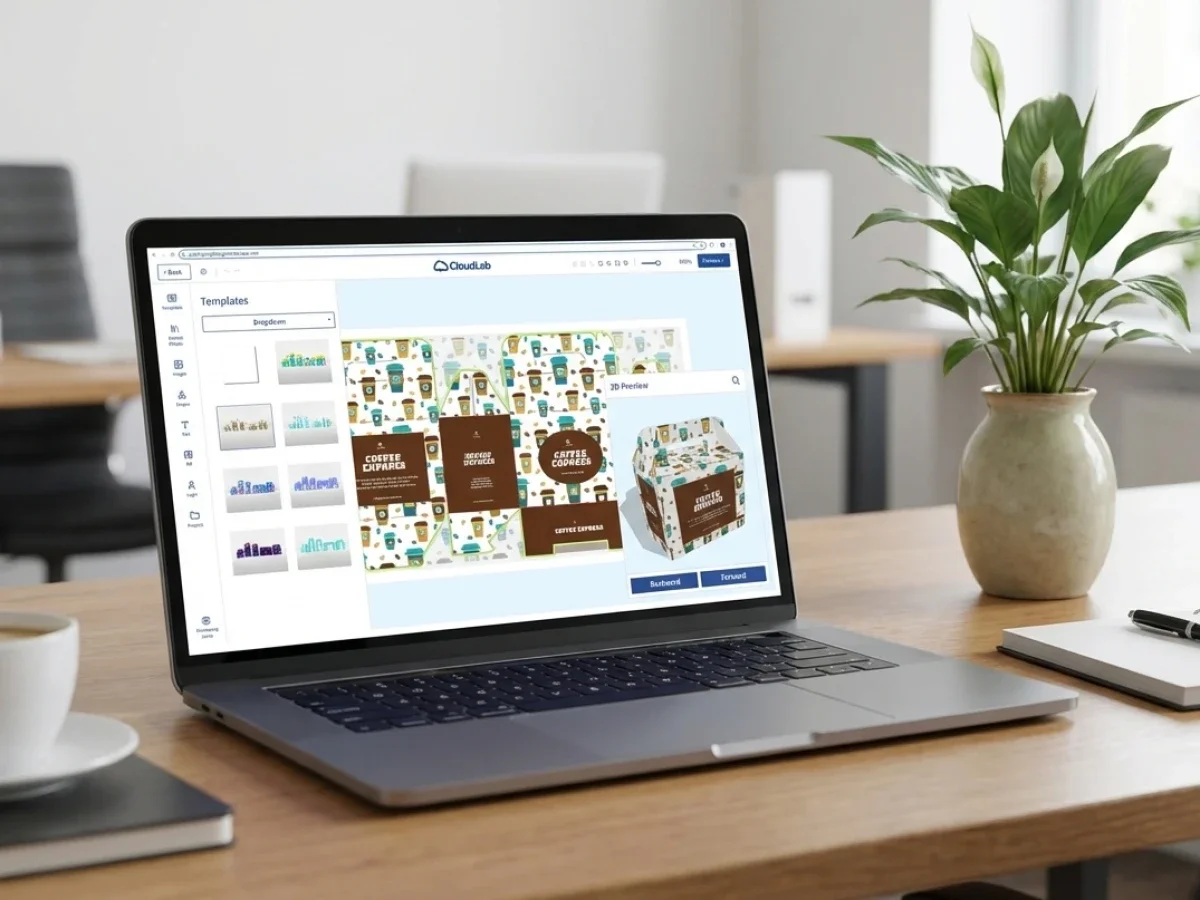
packQ addresses this challenge by keeping structural and graphical information connected from the beginning of the project. The browser-based 3D Packaging Designer synchronizes two-dimensional artwork with three-dimensional packaging visualization in real time, allowing structural and graphical changes to remain aligned throughout the approval process. Because every revision stays linked to the same project, teams avoid the confusion created by parallel document versions.
How does cloud packaging reduce approval and production errors?
Cloud packaging reduces approval and production errors by keeping structural design, graphical artwork, technical validation, and approvals inside one connected Web-to-Pack workflow. packQ combines synchronized 2D and 3D visualization with Dynamic Preflight, ensuring that packaging manufacturers, prepress teams, and brand owners identify technical issues before production-ready files are generated.
Traditional approval processes often separate visual review from technical validation. Marketing approves appearance, prepress checks printability later, and production receives files only after several manual revisions. This sequential approach increases project duration while making technical inconsistencies more likely.
packQ performs these activities simultaneously. As users configure packaging, Dynamic Preflight continuously evaluates image resolution, bleed settings, fonts, and color spaces while synchronized visualization displays the complete package exactly as it will be manufactured. This allows design decisions and technical validation to support each other instead of becoming independent review stages.
The result is a considerably more predictable approval process. Customers approve realistic packaging visualizations, prepress receives technically validated files, and production starts with manufacturing-ready data that has already passed automated quality controls.
Browser-based collaboration improves decision-making across departments
Modern packaging development rarely takes place within a single office. Product managers, marketing departments, external agencies, printers, packaging manufacturers, and production facilities often collaborate across multiple locations and even different countries. Desktop-based workflows make this collaboration unnecessarily difficult because project information becomes fragmented across local installations and exported documents.
Browser-based platforms remove these limitations by making the packaging project available wherever authorized users have access to a secure internet connection. Rather than exchanging screenshots or PDFs, stakeholders review the actual project, comment directly on current revisions, and approve packaging within the same environment used for configuration and production preparation.
This collaborative approach is especially valuable for global brand owners managing multilingual packaging, pharmaceutical companies coordinating regulatory approvals, and e-commerce providers launching large numbers of personalized products. Every participant works with identical information while maintaining clearly documented approval histories throughout the complete packaging lifecycle.
Comparing traditional desktop packaging workflows with cloud packaging platforms
Organizations evaluating cloud packaging frequently ask whether browser-based workflows can replace traditional desktop processes without sacrificing engineering quality. In reality, both approaches address different priorities.
Desktop environments continue to provide specialized capabilities for highly individual engineering tasks and complex structural development. They remain valuable whenever experienced packaging engineers require extensive customization beyond standardized production workflows.
Cloud-based Web-to-Pack platforms focus on standardization, collaboration, scalability, and automation. Instead of concentrating solely on structural construction, they connect online configuration, visualization, technical validation, approvals, pricing, and production preparation into one continuous business process. This makes them particularly effective for organizations processing large numbers of repeatable packaging projects, configurable product portfolios, or customer-driven online orders.
packQ combines these advantages by using standardized ECMA and FEFCO libraries together with browser-based design, synchronized visualization, Dynamic Preflight, and API-first integration. Rather than replacing existing production expertise, it extends established engineering environments with collaborative Web-to-Pack functionality that supports the complete commercial and manufacturing workflow.
How can organizations introduce cloud packaging without disrupting existing systems?
Cloud packaging can be implemented successfully by integrating browser-based packaging workflows into existing ERP, MIS, shop, and production environments instead of replacing them. packQ uses an API-first architecture that allows organizations to automate configuration, approvals, production preparation, and data exchange while preserving established business systems.
Many organizations postpone digital transformation because they assume new software requires rebuilding their complete IT infrastructure. In practice, successful implementations are usually incremental. Existing ERP systems continue managing commercial processes, MIS platforms remain responsible for production planning, while packQ specializes in packaging configuration, browser-based collaboration, technical validation, and production-ready output.
Because the platform supports REST, SOAP, and JSON interfaces, packaging data moves automatically between connected systems without manual exports or repeated data entry. Orders initiated through online shops can enter the packaging workflow directly, approved projects return validated production information to ERP and MIS environments, and manufacturing receives consistent production-ready PDF files without additional preparation.
This approach allows technology teams to modernize packaging development while minimizing implementation risks and preserving investments already made in enterprise software.
Artificial intelligence supports faster packaging preparation
As packaging portfolios continue expanding, manual artwork preparation increasingly limits production capacity. Marketing departments frequently provide raster graphics requiring optimization before print production, while product launches demand rapid creation of multiple packaging variants within very short timeframes.
The integrated AI Designer Suite inside packQ addresses these challenges by supporting repetitive artwork preparation directly within the browser. Raster graphics can be converted into scalable vectors, image quality can be improved through Crispify, which increases resolution by up to four times, and backgrounds can be removed automatically without requiring separate editing applications.
These capabilities are not intended to replace professional designers. Instead, they reduce repetitive preparation work so creative teams can focus on branding, customer communication, and packaging quality while technical improvements occur within the same Web-to-Pack workflow.
Building connected cloud packaging workflows for long-term growth
Digital packaging tools and resources become most valuable when they connect every stage of packaging development rather than optimizing isolated activities. packQ demonstrates how browser-based Web-to-Pack technology, synchronized 2D and 3D visualization, Dynamic Preflight, ECMA and FEFCO standardization, AI-assisted artwork preparation, API-first integration, and production-ready PDF generation work together within one connected cloud packaging platform. By eliminating media breaks, reducing technical inconsistencies, and integrating seamlessly with existing ERP and MIS environments, organizations create scalable packaging workflows that accelerate product launches while improving production reliability.
Packaging development increasingly depends on connected digital workflows rather than isolated desktop applications. CloudLabs digital packaging tools and resources simplify collaboration between marketing, engineering, prepress, production, and IT by bringing structural design, graphical artwork, approvals, Dynamic Preflight, and production preparation into one browser-based environment. Using packQ as the technological framework, organizations benefit from synchronized 2D and 3D visualization, ECMA and FEFCO standardization, AI-assisted artwork optimization, API-first integration, and production-ready PDF output. The result is a cloud packaging workflow that reduces media breaks, accelerates approvals, improves manufacturing reliability, and supports scalable packaging development across distributed teams.
Key answers for decision-makers
- Cloud-based packaging platforms centralize structural design, graphics, approvals, and production preparation in one connected workflow.
- Browser-based collaboration reduces media breaks and keeps every stakeholder working on the same packaging project.
- Integrated 2D, 3D, and Dynamic Preflight validation identify production issues before manufacturing begins.
- API-first architecture connects packaging workflows with ERP, MIS, and shop environments instead of replacing them.
- ECMA and FEFCO standards accelerate packaging development while improving production consistency.

.webp)


