Variable Data Printing for Packaging with packQ

Variable Data Printing for Packaging is a core capability of packQ, enabling personalized packaging down to lot size one. Through PDF/VT workflows and real-time 3D previews, variable content becomes predictable, scalable, and production-safe. packQ connects customization, automation, and industrial output in a single Web-to-Pack platform.
Variable Data Printing for Packaging as a Strategic Capability
Packaging is no longer static. Brands, retailers, and manufacturers increasingly rely on individualized content to differentiate products, manage regulatory requirements, and support data-driven campaigns. Traditional packaging workflows struggle with this complexity because they are built for repetition, not variation.
Variable Data Printing for Packaging:This approach enables every single package to carry unique content while remaining part of an automated, industrial process. packQ delivers this capability as an integrated feature of its premium Web-to-Pack platform.
Why Variable Data Printing Changes Packaging Economics
Variable data was once limited to marketing inserts or labels. Today, it is a central requirement for folding cartons, corrugated packaging, and POS displays.
Key shift:
Variation is no longer an exception. It is the new standard for short runs, regulated industries, and personalized commerce.
packQ supports this shift by embedding variable data logic directly into configuration, design, pricing, and production workflows.
packQ as a Platform for Variable Data Packaging
packQ is not a generic Web-to-Print system. It is a specialized Web-to-Pack platform developed by CloudLab and recognized with the InterTech Technology Award.
Platform focus:
Variable Data Printing for Packaging is treated as a production discipline, not a marketing feature. All variable elements remain connected to structural packaging data, materials, and manufacturing constraints.
PDF/VT Packaging Workflows for Industrial Reliability
At the heart of variable packaging lies a robust data format.
PDF/VT packaging workflows:
packQ generates production-safe PDF/VT files that combine static layout elements with dynamic content streams. This ensures compatibility with industrial digital printing systems and downstream automation.
Operational advantages:
- Predictable output across large variant sets
- Reduced RIP processing complexity
- Clear separation of design and data layers
Personalized Packaging Automation Without Manual Intervention
Manual handling of variable data does not scale. packQ eliminates manual touchpoints by automating the entire flow from input data to print-ready output.
Personalized packaging automation:
Customer-specific texts, serial numbers, QR codes, or regulatory information are injected automatically during the job generation process.
This enables high-volume personalization, consistent data integrity and minimal prepress workload.
Variable Data in the 3D Packaging Designer
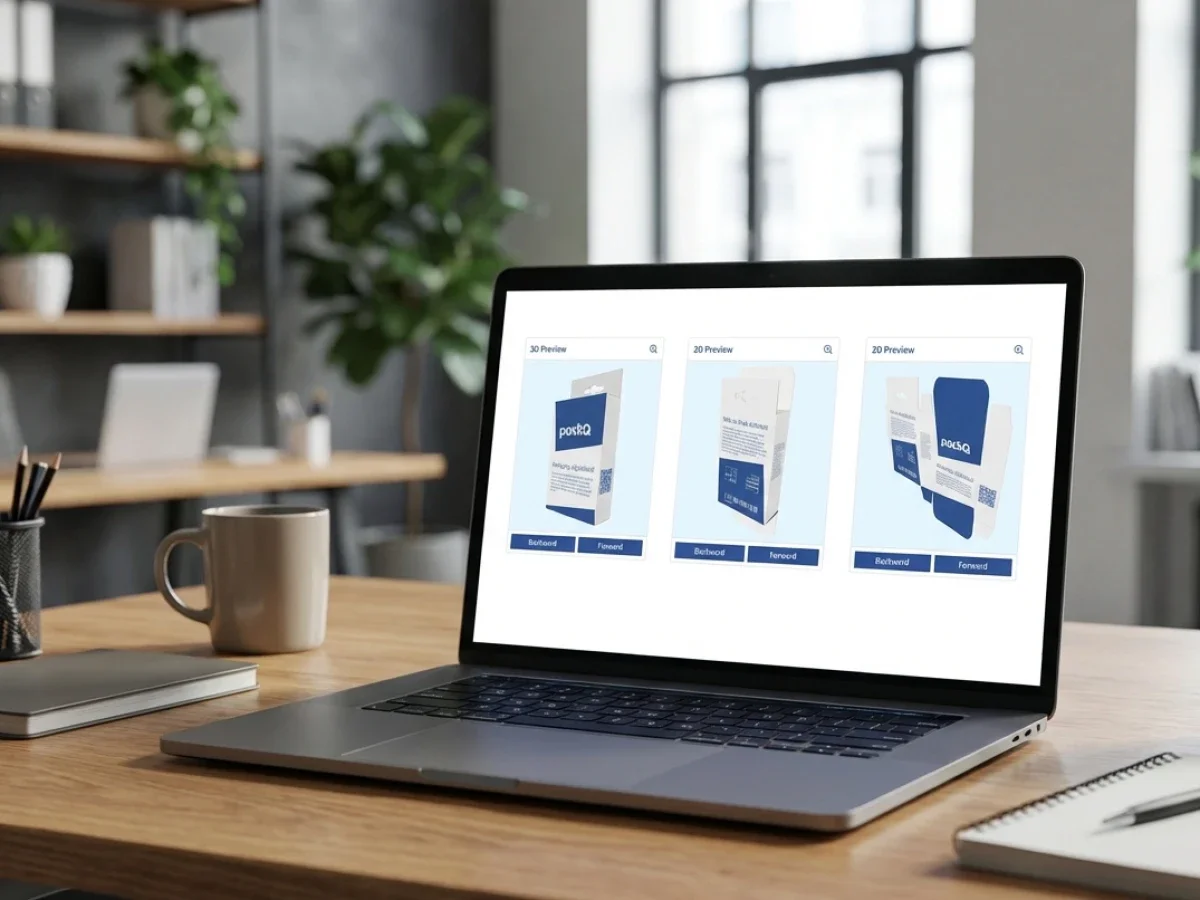
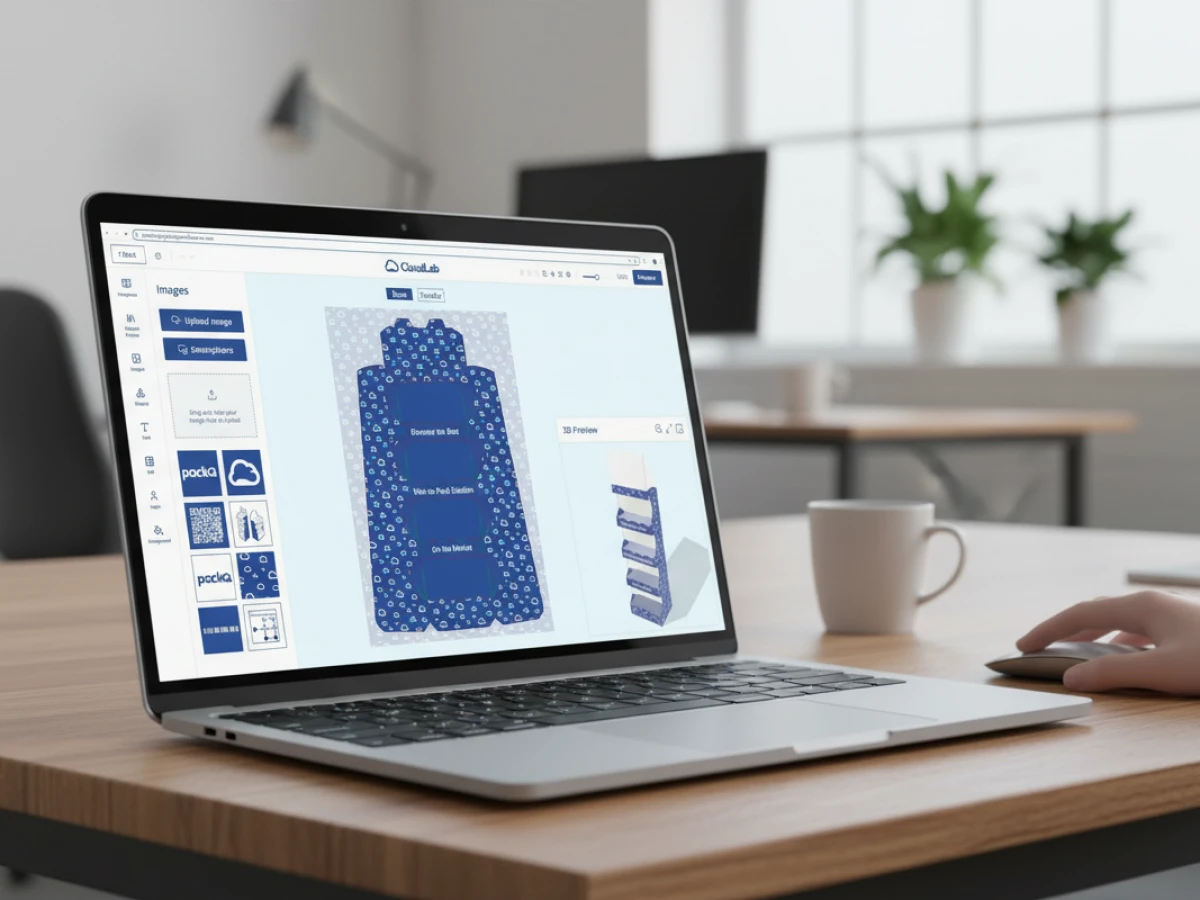
Visualization is critical when every unit is different. packQ integrates variable data directly into its browser-based 3D Packaging Designer.
3D preview for variable data:
Users see personalized content rendered instantly on the actual packaging geometry. This applies to folding cartons, corrugated boxes, and POS displays.
The result:
- Faster approvals
- Fewer production errors
- Clear expectation alignment between stakeholders
Real-Time Validation of Variable Content
Variable data introduces risk when errors go unnoticed. packQ mitigates this through automated checks and real-time feedback.
Dynamic Preflight Check:
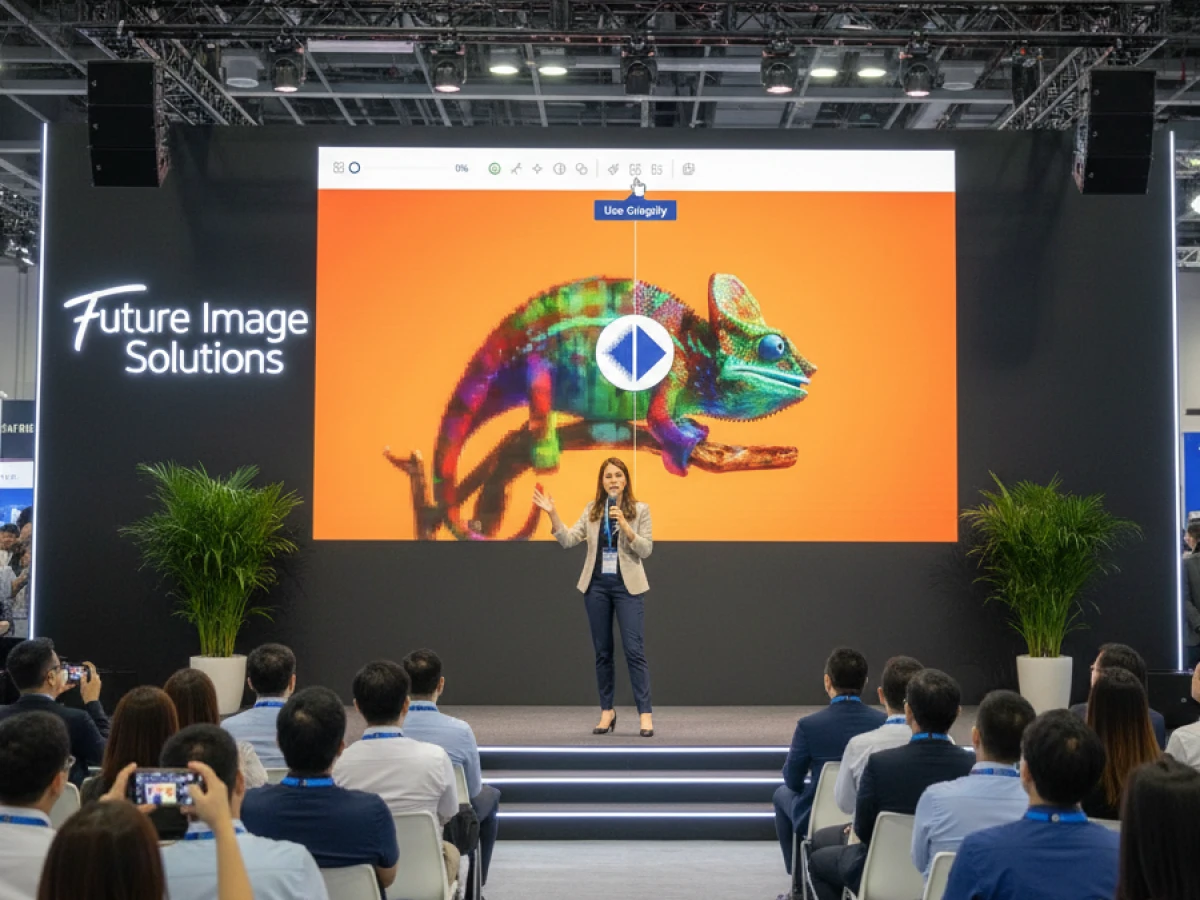
Resolution, color mode, fonts, and bleed are validated for every variable instance. Issues are detected before files reach production.
This reduces:
- Waste caused by incorrect personalization
- Reprints due to data inconsistencies
- Production downtime
QR Code Packaging Personalization at Scale
QR codes are a common entry point into variable packaging, but managing them manually is error-prone.
QR code packaging personalization:
packQ generates, places, and validates QR codes automatically as part of the variable data stream. Each code can link to unique URLs, batch data, or traceability systems.
This supports thought through marketing campaigns, supply chain transparency and product authentication.
Supporting Mass Customization and Lot Size One
Mass customization is only viable when automation replaces manual coordination.
Lot size one as standard:
packQ’s Variable Data Printing for Packaging enables economically viable single-unit production. Pricing, file generation, and job ticket creation happen automatically.
This is particularly relevant fornE-commerce packaging, promotional campaigns or regulated product variants.
Integration with ECMA and FEFCO Standards
Variable data must respect structural packaging standards.
ECMA-/FEFCO integration:
packQ applies variable content to parametric packaging models. Dimensions, folding logic, and material constraints remain intact regardless of data variation.
This ensures production feasibility, structural consistency and faster setup times for corporations and customers.
End-to-End Automation From Order to Production
Variable data becomes powerful when it is part of a closed digital loop.
Automated job creation:
Orders containing variable data are transferred via packQ’s headless, API-first architecture to ERP/MIS systems. Each order becomes a job ticket with material reservation and production planning.
Key outcomes:
- No manual data re-entry
- Full traceability
- Scalable throughput
Headless Architecture for Data-Driven Packaging
Variable Data Printing for Packaging requires flexible system integration.
API-first design:
packQ exposes REST, SOAP, and JSON interfaces. This allows seamless integration with e-commerce platforms, CRM systems, and external data sources.
Use cases include:
- Personalized online storefronts
- Closed B2B portals
- Automated campaign rollouts
Value for Printing and Packaging Manufacturers
Manufacturers gain a competitive advantage by offering variable packaging as a standardized service.
Operational impact:
Production becomes more predictable despite higher variation. Prepress effort decreases while capacity utilization increases.
This supports new revenue models, higher customer retention and faster turnaround times.
Benefits for Brand Owners and Industrial Clients
Brand owners require flexibility without sacrificing control.
Brand-safe personalization:
packQ enforces design rules while allowing data variation. Marketing teams gain agility without risking production errors.
This is essential for:
- Pharma and regulated industries
- Multi-language packaging
- Regionalized product variants
Variable Data Printing for Packaging in B2B and B2C Scenarios
packQ supports both open and closed shop models.
B2B: Customers upload structured data sets or connect external systems for automated packaging generation.
B2C: End users personalize packaging via intuitive interfaces while packQ handles complexity in the background.
Differentiating Variable Packaging from Traditional Web-to-Print
Many systems treat variable data as an add-on.
packQ difference:
Variable Data Printing for Packaging is natively linked to 3D visualization, structural standards, pricing logic, and production output. This depth of integration is unique in the market.
Industry 4.0 and Print 4.0 Readiness
Variable packaging is a cornerstone of digital manufacturing.
Print 4.0 alignment:
packQ connects digital order intake with automated production systems, enabling smart factories and data-driven decision-making.
This prepares organizations for:
- Increased customization demand
- Shorter product lifecycles
- Decentralized production models
Variable Data Printing for Packaging as a Competitive Advantage
Variable Data Printing for Packaging transforms customization from a manual exception into an automated standard. With packQ, personalized packaging becomes predictable, scalable, and production-safe. Through PDF/VT workflows, real-time 3D previews, and deep system integration, packQ enables lot size one without sacrificing efficiency. For packaging manufacturers, brand owners, and technology teams, this capability defines the future of digital packaging.
Variable Data Printing for Packaging is a core capability of CloudLabs packQ, the premium Web-to-Pack platform by CloudLab. It enables personalized packaging down to lot size one using production-safe PDF/VT workflows and real-time 3D previews. Variable elements such as texts, images, and QR codes are automatically validated and integrated into ECMA and FEFCO packaging standards. Combined with dynamic pricing, automated preflight, and ERP/MIS integration, packQ delivers end-to-end automation for B2B and B2C packaging scenarios. This makes mass customization economically viable and positions packQ as a future-ready solution for Print 4.0 environments.