Software que simplifica los pasos de empaque estructural y gráfico
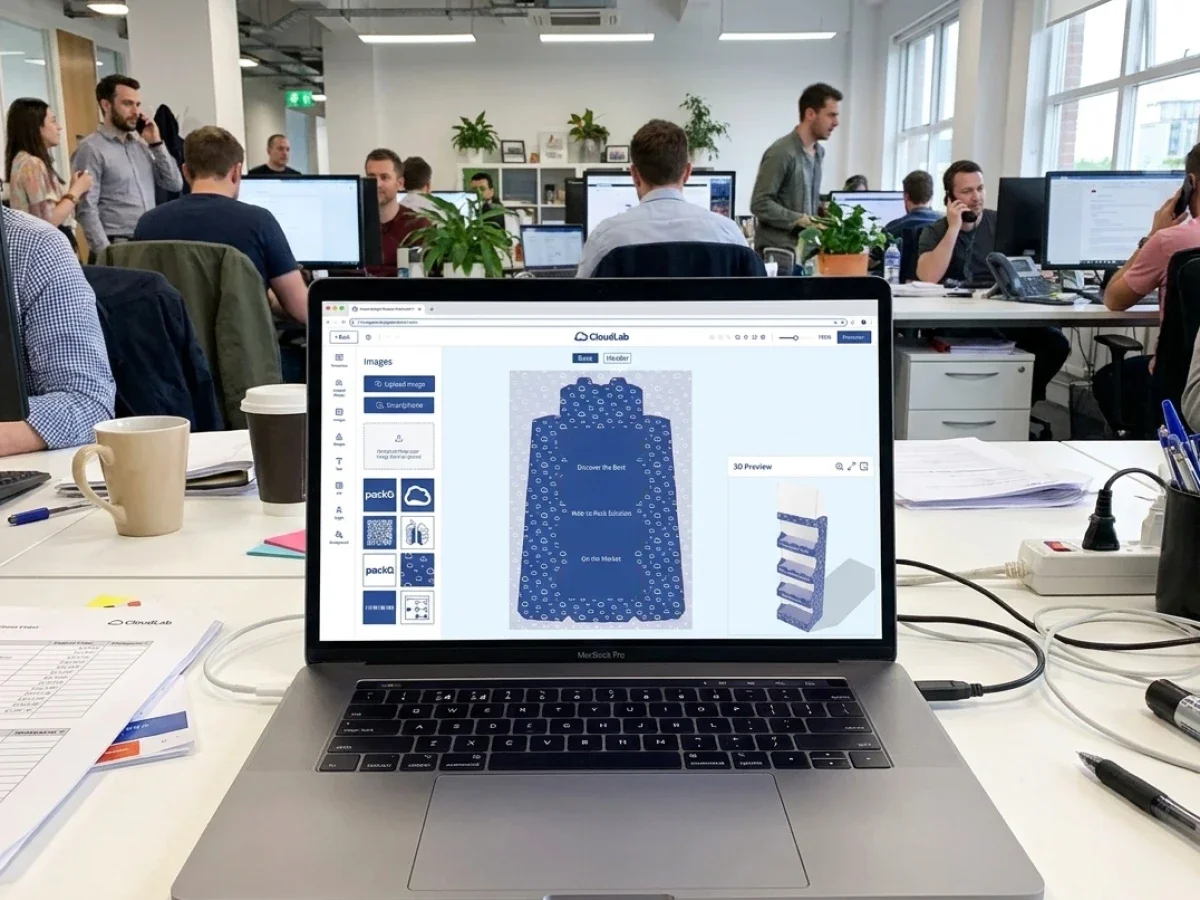
Software that simplifies structural and graphic packaging steps is most valuable when it connects the structural logic of packaging with the graphic workflow that customers, brands, and prepress teams use every day. In many packaging operations, CAD, artwork editing, approval, pricing, and production output still happen in separate systems. packQ by CloudLab reduces this media break through browser-based Web-to-Pack workflows, synchronized 2D/3D design, ECMA and FEFCO templates, Dynamic Preflight, AI-supported artwork tools, and production-ready PDF output. The result is a more controlled path from packaging configuration to approved, validated, and manufacturable data.
Why Structural and Graphic Packaging Workflows Need to Move Together
Packaging is never only structural or only graphic. A folding carton has panels, folds, flaps, glue areas, material behavior, and production constraints. It also has branding, images, legal copy, colors, variable content, and approval requirements.
When these two sides move through different systems, the workflow becomes fragile.
A structural engineer may create a correct dieline. A designer may place artwork on a separate layout. A customer may approve a visual that does not fully reflect production constraints. Prepress may later discover that the file looks right but fails technical checks.
That is the media break this article focuses on.
Software that simplifies structural and graphic packaging steps must do more than make packaging easier to design. It must keep the structural model, graphic content, validation rules, pricing logic, and output data aligned from the first configuration to production handoff.
packQ addresses this through a Web-to-Pack model. Instead of forcing packaging teams to jump between CAD tools, design applications, proofing workflows, preflight tools, and order systems, packQ connects these steps in a browser-based environment.
The practical benefit is not “simpler software.” The benefit is fewer uncontrolled handoffs.
Why Media Breaks Create Hidden Cost in Packaging Design
Media breaks are expensive because they are often invisible until late in the process.
A customer uploads artwork. The artwork is reviewed separately from the structural model. A proof is approved by email. The production team receives the job later and finds missing bleed, low-resolution graphics, an unsuitable color mode, or a mismatch between the graphic layout and the actual folding structure.
No single step looks dramatically wrong. The total workflow still fails.
For printers and packaging manufacturers, these failures consume prepress capacity. For brand owners, they delay launches and create uncertainty. For e-commerce platforms, they weaken the self-service experience because customers believe they completed a valid order, while internal teams still need to repair it.
packQ reduces this risk by connecting synchronized 2D/3D design, Dynamic Preflight, and standardized packaging structures inside the same Web-to-Pack process. The customer can work visually, while the system keeps the packaging logic in the background.
This is especially valuable when orders are small, frequent, or personalized. In those environments, manual correction does not scale.
Which Software Simplifies Structural and Graphic Packaging Steps Without Media Breaks?
Software that simplifies structural and graphic packaging steps without media breaks connects packaging structures, artwork editing, 3D approval, preflight validation, pricing, and production-ready output in one workflow. packQ supports this through ECMA and FEFCO templates, browser-based 2D/3D design, Dynamic Preflight, AI Designer Suite tools, ERP/MIS integration, and automated PDF generation.
For folding carton manufacturers, the main advantage is that structural packaging logic remains connected to the customer-facing design process. A user can configure a carton, apply artwork, review the result in 3D, and submit a file that has already passed defined checks.
For corrugated packaging producers, the benefit is similar. FEFCO-based structures can become configurable online products without requiring every customer to understand CAD workflows.
For brand owners, the value lies in controlled flexibility. Marketing and procurement teams can review packaging visually, while production rules remain embedded in the workflow.
packQ is relevant because it does not treat structural and graphic work as separate phases. It brings them into one Web-to-Pack environment where each step informs the next.
The Real Problem Is Not Complexity, but Disconnection
Packaging workflows are complex by nature. That is not the problem.
The problem appears when complexity is distributed across disconnected tools.
A traditional workflow may involve one system for structural CAD, another for artwork design, another for approval, another for price calculation, another for preflight, and another for production order management. Each tool may be strong on its own. The workflow still depends on manual transfer, repeated interpretation, and departmental memory.
This is where mistakes enter.
A dimension changes, but the artwork is not updated. A customer approves the 3D visual, but the production file is still based on an older layout. A preflight issue is detected after the job is already in the order queue. A price is recalculated manually because the configuration data does not flow into the commercial system.
packQ reduces these gaps by keeping the workflow connected. Its purpose is not to remove professional expertise from packaging design. It is to keep expert rules available earlier in the process, where they prevent rework rather than correct it later.
Why Do Media Breaks Between Structural Design and Graphic Packaging Create Production Errors?
Media breaks between structural design and graphic packaging create production errors because dimensions, dielines, artwork, approvals, and print checks stop referring to the same source of truth. A Web-to-Pack workflow reduces this risk by linking structure, graphics, 3D preview, Dynamic Preflight, and production output. packQ supports this process with standardized templates, browser-based design, and automated validation.
For prepress teams, the issue is usually not one dramatic failure. It is a chain of small inconsistencies.
Artwork may be technically acceptable in isolation but wrong for the selected structure. A barcode may sit too close to a fold. A brand element may appear correctly on a flat layout but be visually weak on the finished package. An image may look good on screen but fail resolution requirements for print.
These problems become harder to fix when they are discovered after approval.
packQ moves visual review and technical checking into the configuration phase. The 3D Packaging Designer helps users understand how artwork behaves on the finished package. Dynamic Preflight checks print-related requirements before the job reaches the production queue.
Use Case: Folding Carton With Late Artwork Changes
A brand owner updates the artwork for a folding carton shortly before launch. In a disconnected workflow, the change may pass through design, approval, and prepress as separate tasks. Each handoff creates a chance for outdated data or missed technical requirements.
In packQ, the updated artwork can be placed directly into the browser-based layout. The 3D preview shows how the change affects visible panels. Dynamic Preflight checks technical requirements such as resolution, bleed, color mode, and fonts. The approved output can then move toward production with fewer manual corrections.
The value is not only speed. The value is confidence that the graphic change remains aligned with the structural package.
Structural Packaging Logic Must Be Built Into the Customer Workflow
Many customers do not think in dielines. They think in finished packaging.
A buyer wants a mailer. A brand manager wants a premium carton. An e-commerce seller wants a branded shipping box. None of them wants to manage structural CAD logic manually.
That does not mean structural logic can be ignored. It means the software must translate it into a guided experience.
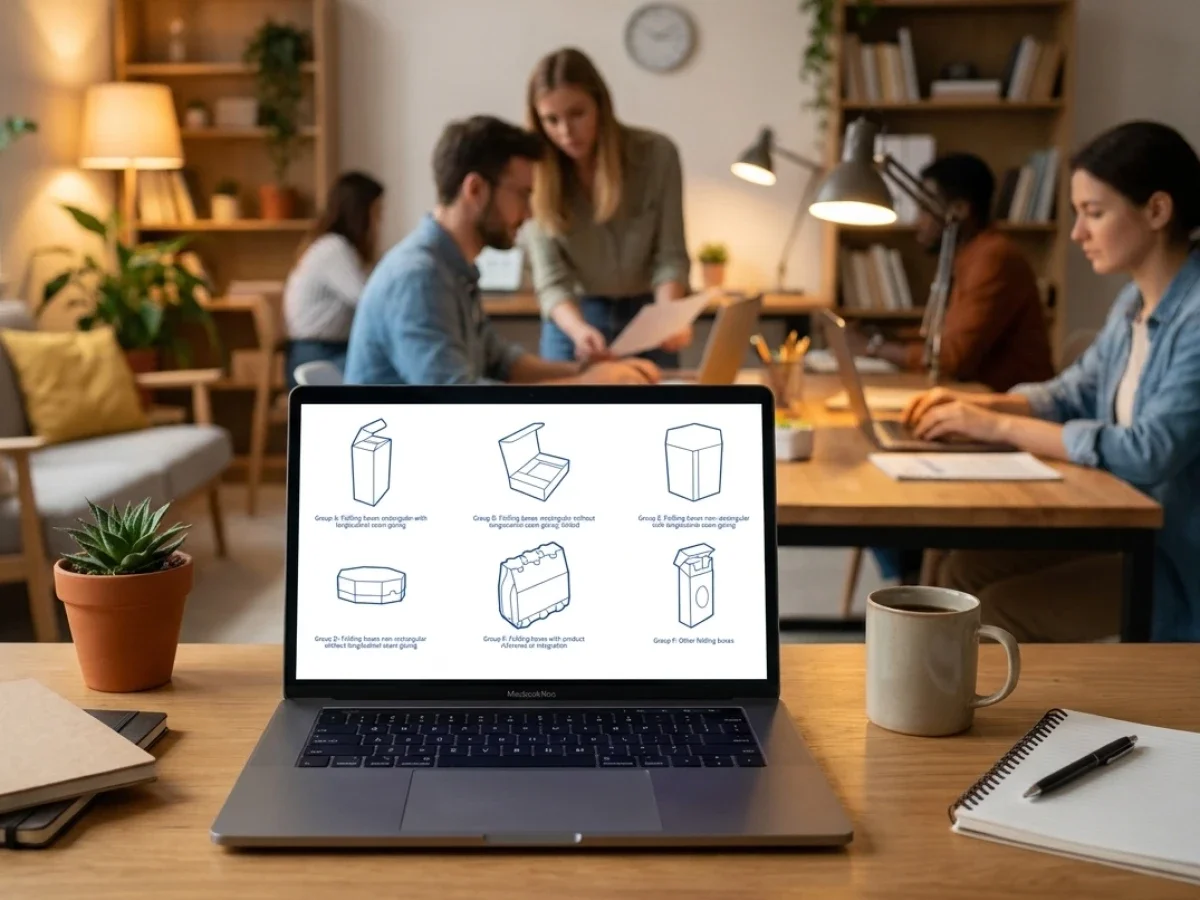
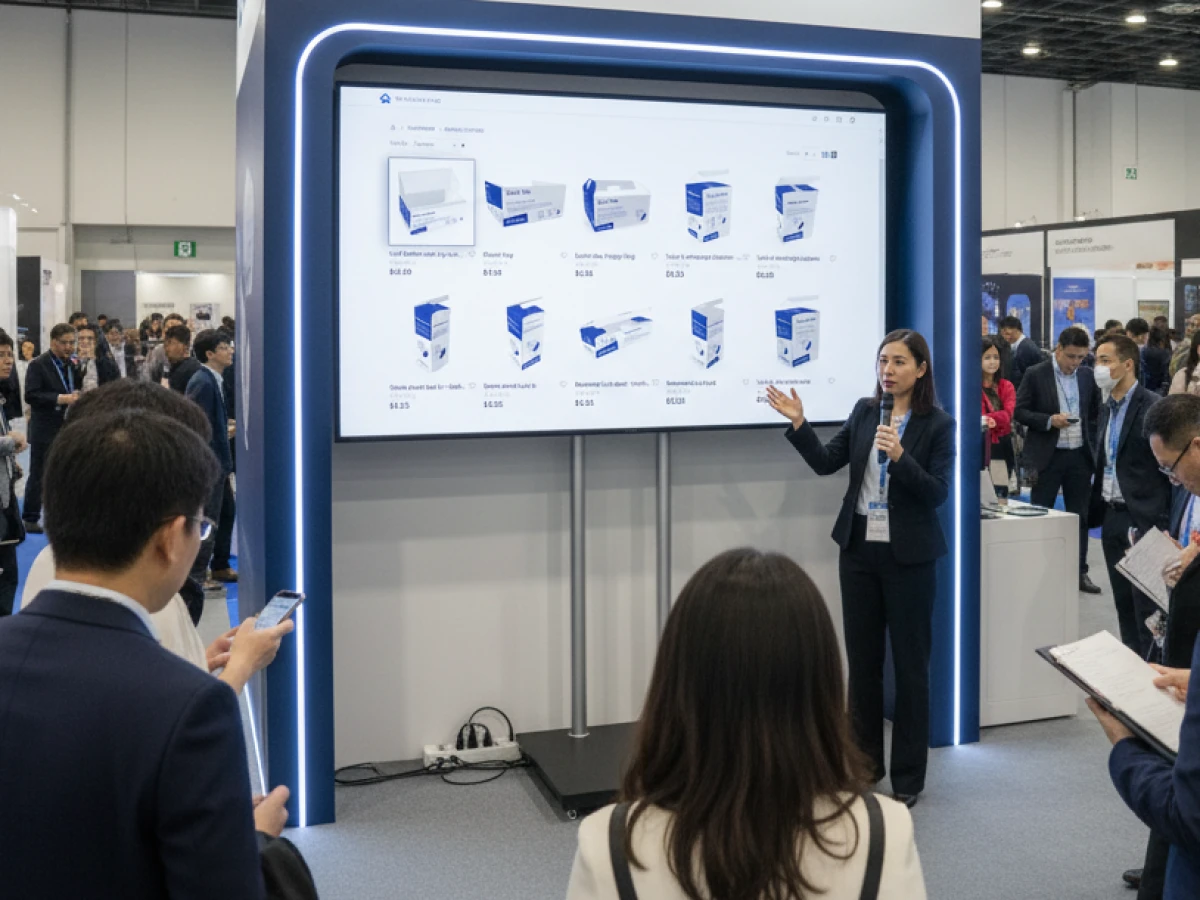
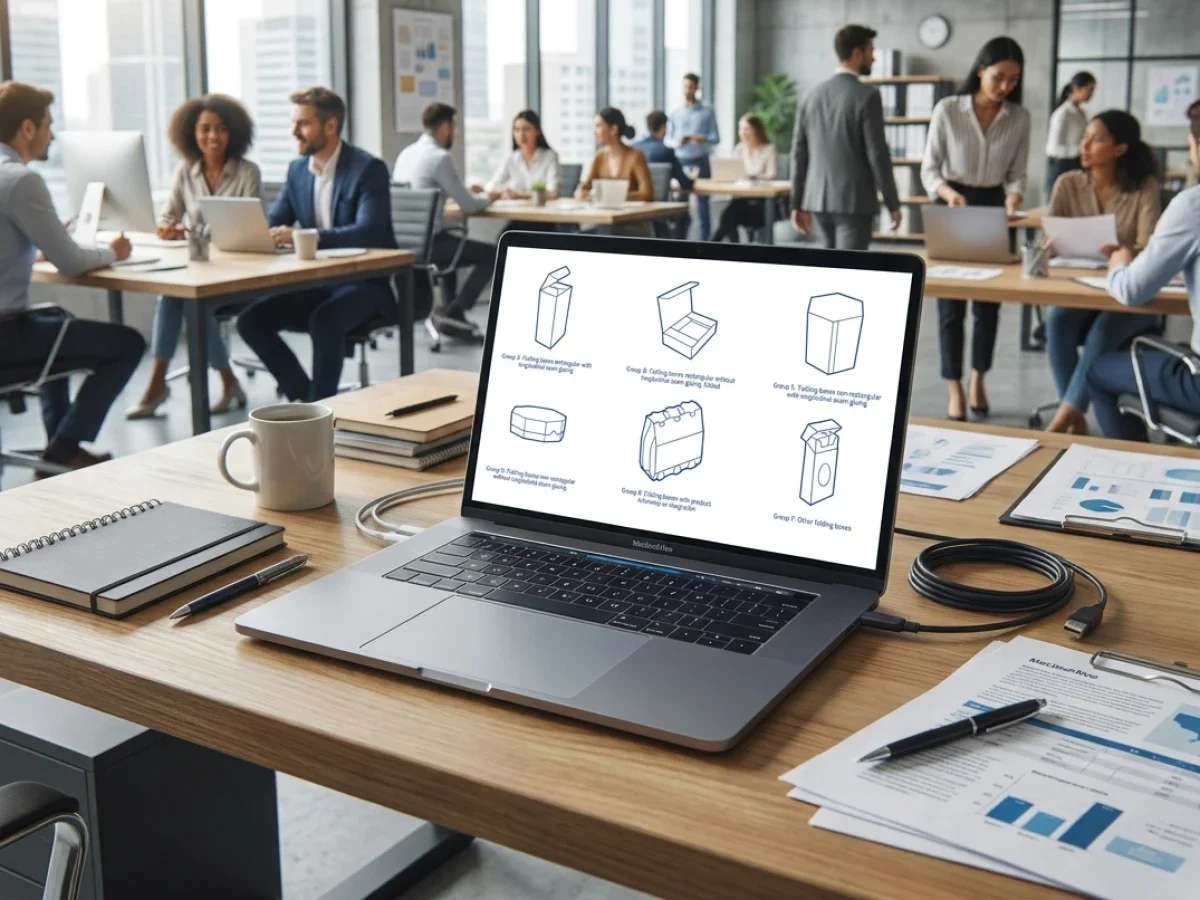
packQ does this through integrated ECMA and FEFCO libraries. The platform includes approximately 120 ECMA folding carton types, approximately 290 FEFCO corrugated packaging types, and approximately 50 POS display models. These templates allow customers to configure packaging within production-aware boundaries.
This is the core principle behind simplifying packaging steps. The user experience becomes easier because the technical rules are already embedded.
For packaging manufacturers, this reduces the need to inspect every order from scratch. For customers, it makes professional packaging configuration accessible without forcing them into CAD workflows.
Graphic Packaging Steps Need Production-Aware Editing
Graphic packaging work is often where media breaks become visible.
A customer may upload a logo in poor quality. A product image may need its background removed. A graphic may need vectorization. A low-resolution element may look acceptable on screen but fail in print.
If these issues require external design software or manual prepress correction, the workflow slows down.
packQ’s AI Designer Suite addresses routine graphic problems inside the browser. Vectorization helps convert raster graphics into cleaner shapes. Crispify improves image resolution with 4× higher output. Background removal helps prepare visuals for packaging layouts without leaving the online workflow.
The key point is not that AI replaces professional design. It reduces unnecessary media changes for common corrections.
When users can improve assets, inspect the package, and receive preflight feedback in one environment, the workflow becomes more stable.
Integrated Web-to-Pack vs. Separate Structural and Graphic Tools
Integrated Web-to-Pack is better when packaging teams need one connected workflow for structure, graphics, approval, validation, pricing, and production output. Separate tools can be useful for specialist tasks, but they often create manual handoffs between CAD, artwork, approval, and prepress. packQ connects these steps through synchronized 2D/3D design, Dynamic Preflight, and API-first integration.
Separate structural and graphic tools still have a place. Packaging engineers may need dedicated CAD environments for highly specialized structural development. Designers may need professional creative tools for advanced brand systems or complex artwork.
The issue is not whether those tools are valuable. The issue is where they fit.
For repeatable, configurable, customer-facing packaging workflows, disconnected tools often create too much friction. Every transfer between systems becomes a possible source of outdated data or misinterpretation.
packQ fits the operational layer where standardized or semi-standardized packaging must be configured, reviewed, validated, priced, and prepared for production. It helps convert structural and graphic knowledge into a guided workflow that customers and internal teams can actually use.
Static Proofing vs. Interactive 3D Approval
Static proofs remain useful for technical checks, but they often fail to communicate the final package clearly to non-technical stakeholders. A flat layout can be difficult for marketing, procurement, or e-commerce teams to interpret.
Interactive 3D approval solves that communication problem. It shows the package as a finished object while staying connected to the underlying structure.
In packQ, this connection matters. The 3D view is not just a visual decoration. It supports approval by helping users evaluate artwork placement, panel visibility, and overall package appearance before production.
Post-Submission Preflight vs. Dynamic Preflight
Post-submission preflight finds problems after the customer thinks the order is complete. That timing creates frustration and delay.
Dynamic Preflight identifies issues earlier.
In packQ, relevant checks can run during the online process. When a file has missing bleed, unsuitable resolution, incorrect color mode, or font-related issues, the system can flag the problem before the order moves downstream.
This is one of the clearest examples of how packQ reduces media breaks. Validation becomes part of the design workflow rather than a separate gate at the end.
Real-Time Pricing Belongs in the Same Workflow
Structural and graphic decisions often affect price.
A change in size, material, quantity, finishing, or personalization can change the commercial outcome of the job. If pricing happens in a separate system, customers and sales teams lose transparency.
packQ includes dynamic price calculation during configuration. This gives users immediate feedback when they change product options.
For packaging manufacturers, this reduces manual quotation work for standardizable products. For customers, it creates a clearer buying process. For sales teams, it helps keep commercial decisions aligned with the actual configured product.
Pricing is not a cosmetic feature in Web-to-Pack. It is part of workflow continuity.
How Do You Implement Software for Simplifying Structural and Graphic Packaging Steps?
Software for simplifying structural and graphic packaging steps should be implemented by mapping how structure, artwork, approval, preflight, pricing, and production data currently move through the business. packQ supports this implementation through API-first and headless architecture, connecting shop, ERP, MIS, prepress, and production systems with controlled Web-to-Pack workflows based on standards and automated validation.
Implementation should begin with the media breaks that create the most rework. In many packaging companies, these breaks appear between customer upload and prepress, between design approval and production output, or between online configuration and ERP/MIS order creation.
The goal is not to digitize a broken workflow exactly as it exists. The goal is to remove unnecessary handoffs.
A practical implementation can follow this sequence:
- Identify packaging types suitable for standardized configuration.
- Connect those products to ECMA and FEFCO structures where possible.
- Define graphic editing rules, brand restrictions, and approval permissions.
- Configure synchronized 2D/3D design for customer-facing review.
- Apply Dynamic Preflight checks for resolution, color mode, bleed, fonts, and file quality.
- Vincular las reglas de precios a los parámetros estructurales y de producción.
- Integrar los sistemas de tienda, ERP, MIS, preimpresión y producción a través de REST, SOAP o JSON cuando sea pertinente.
- Generar PDFs listos para producción y datos del trabajo después de la aprobación.
Este enfoque convierte la simplificación en una arquitectura de sistema, no solo en una mejora de la interfaz de usuario.
Ejemplo de implementación: Fabricante de embalajes con tipos de pedidos mixtos
Un fabricante de embalajes atiende a grandes marcas y a clientes de comercio electrónico más pequeños. Los clientes empresariales necesitan portales cerrados con plantillas aprobadas y edición controlada. Los clientes más pequeños necesitan una vía de autoservicio para embalajes estándar.
Con packQ, ambos escenarios pueden compartir la misma base Web-to-Pack. El flujo de trabajo de tienda abierta (open-shop) da a los nuevos clientes acceso a una configuración guiada de embalajes. El flujo de trabajo de tienda cerrada (closed-shop) da a los propietarios de marcas acceso controlado a estructuras aprobadas, reglas de arte y flujos de trabajo de pedidos repetidos.
Detrás de ambas experiencias, se aplica el mismo principio: los datos estructurales y gráficos del embalaje permanecen conectados a la validación, los precios y la producción.
Arquitectura API-First: los datos de embalaje siempre en movimiento
Simplificar los pasos del embalaje es imposible si los datos se detienen en el front-end.
Un flujo de trabajo de embalaje sólido debe conectarse a los sistemas que ya gestionan el negocio. Esto incluye sistemas de tienda, plataformas ERP, entornos MIS, herramientas de preimpresión, sistemas de planificación y flujos de trabajo de producción.
packQ está diseñado con una arquitectura headless y API-first. Esto permite a los equipos de tecnología integrar el flujo de trabajo Web-to-Pack en los entornos de sistemas existentes en lugar de forzar cada proceso en una interfaz rígida.
Dependiendo del entorno, REST, SOAP y JSON pueden soportar el intercambio de datos. El objetivo práctico es simple: los datos de configuración, los datos de pedidos, los datos de precios, el estado de aprobación y la producción no deberían requerir una reintroducción manual.
Para los equipos de TI, esto mejora la mantenibilidad. Para los equipos de operaciones, reduce el trabajo administrativo. Para los clientes, crea una experiencia más fluida porque el portal se comporta como un servicio conectado en lugar de una herramienta de diseño aislada.
Flujos de trabajo de tienda abierta y tienda cerrada sin interrupciones en el flujo de información
Los flujos de trabajo de tienda abierta y tienda cerrada tienen objetivos comerciales diferentes, pero ambos requieren continuidad entre los pasos estructurales y gráficos del embalaje.
Una tienda abierta está diseñada para la accesibilidad. Los clientes seleccionan un tipo de embalaje, configuran las dimensiones, suben el diseño, revisan el resultado y realizan un pedido con una mínima intervención de ventas. El desafío es mantener ese proceso de autoservicio seguro para la producción.
Una tienda cerrada está diseñada para el control. Los propietarios de marcas, las empresas farmacéuticas, los compradores industriales y los clientes empresariales pueden necesitar estructuras aprobadas, edición restringida, pedidos repetidos y rutas de aprobación internas. El desafío es mantener la coherencia de la marca y la producción en muchos usuarios y variantes.
packQ puede soportar ambos modelos porque la lógica del flujo de trabajo está integrada en la plataforma. La experiencia del cliente puede variar, pero los requisitos subyacentes permanecen conectados: estructura, gráficos, preimpresión, precios y producción.
¿Cómo pueden los equipos de packaging controlar el diseño estructural y gráfico sin interrupciones en el flujo de medios?
Los equipos de packaging pueden controlar el diseño estructural y gráfico sin interrupciones en el flujo de medios mediante el uso de un flujo de trabajo Web-to-Pack que mantiene conectados plantillas, diseños, aprobación 3D, preimpresión, precios y la producción final. packQ lo hace posible a través de estructuras ECMA/FEFCO, diseño basado en navegador, herramientas de AI Designer Suite, Preimpresión Dinámica, integración ERP/MIS y generación de PDF listos para producción.
Situación inicial
Un equipo de preimpresión recibe trabajos de packaging de múltiples canales. Algunos pedidos provienen de ventas. Otros llegan a través de un portal en línea. Algunos archivos llegan como arte final, mientras que otros requieren correcciones básicas. Los datos estructurales y los datos gráficos a menudo se revisan por separado.
El resultado es una calidad inconsistente.
Algunos trabajos avanzan rápidamente. Otros requieren aclaraciones, correcciones o reconstrucción manual.
Requisito técnico
El equipo necesita un único flujo de trabajo que controle tanto el envase físico como el contenido gráfico. El aspecto estructural debe seguir una lógica de packaging válida. El aspecto gráfico debe cumplir los requisitos de impresión. La aprobación debe ser lo suficientemente visual para los clientes y lo suficientemente técnica para la producción.
Esto requiere más que un editor de diseño. Requiere continuidad en el flujo de trabajo.
Flujo de trabajo en packQ
packQ permite a los equipos definir estructuras de packaging utilizando plantillas ECMA y FEFCO. Los usuarios pueden personalizar el envase en un entorno basado en navegador y revisar los cambios en vistas 2D y 3D sincronizadas.
Los problemas gráficos se pueden mejorar con funciones de AI Designer Suite como la vectorización, Crispify y la eliminación de fondos. La Preimpresión Dinámica verifica los requisitos relacionados con la impresión durante el proceso. Los precios en tiempo real reflejan los cambios de configuración. Después de la aprobación, packQ puede generar PDF listos para producción y transferir los datos del pedido a sistemas ERP o MIS conectados.
Beneficio para la producción y la experiencia del cliente
El flujo de trabajo es más fácil de controlar porque se toman menos decisiones fuera del sistema. Los clientes reciben una retroalimentación visual más clara. Preimpresión recibe datos más limpios. Producción recibe un resultado que está mejor alineado con las estructuras aprobadas y las reglas técnicas.
Para los fabricantes de packaging, esto reduce el trabajo de corrección repetitivo. Para los propietarios de marcas, mejora la confianza en la aprobación. Para los equipos de tecnología, crea un marco escalable para conectar el diseño de packaging con los sistemas empresariales.
Impresión de datos variables sin reconstrucción manual
El packaging variable añade otra capa de complejidad.
Las versiones de campaña, el packaging localizado, las unidades serializadas, los diseños personalizados y la producción de lotes de una sola unidad, todo esto aumenta el número de variantes de salida. Si cada variante requiere preparación manual de archivos, el flujo de trabajo se vuelve rápidamente ineficiente.
packQ soporta Impresión de datos variables a través de PDF/VT. Esto permite a los equipos de embalaje gestionar el contenido variable de forma más sistemática, manteniendo la salida conectada al flujo de trabajo Web-to-Pack.
Para los propietarios de marcas, esto apoya campañas dirigidas y lotes de lanzamiento más pequeños. Para los fabricantes de embalajes, crea nuevos servicios sin convertir cada variación en un proyecto manual separado.
La conexión con el flujo de trabajo estructural y gráfico es importante. Los datos variables no deben quedar fuera del proceso de embalaje. Deben permanecer alineados con el diseño, la aprobación, el preflight y la salida de producción.
Por qué la simplificación no debe eliminar el control
Simplificar los pasos del embalaje no significa eliminar el control técnico. En el embalaje profesional, eso sería peligroso.
El objetivo principal es ocultar la complejidad innecesaria al usuario, manteniendo las reglas de producción activas en segundo plano.
packQ sigue este principio. Los clientes y usuarios internos pueden trabajar en un entorno basado en navegador, pero la plataforma sigue respetando los estándares estructurales, las reglas de validación de impresión, la lógica de precios y los requisitos de salida de producción.
Este equilibrio es lo que hace que Web-to-Pack sea útil tanto para usuarios expertos como no expertos.
Un cliente no necesita entender cada detalle CAD. Un gerente de marca no necesita operar un sistema de preimpresión. Un impresor no necesita reconstruir manualmente cada pedido en línea. Cada rol trabaja en el nivel adecuado del flujo de trabajo.
Por qué los flujos de trabajo de embalaje conectados son el futuro de Web-to-Pack
Software que simplifica los pasos de embalaje estructural y gráfico crea el mayor valor cuando elimina las interrupciones de medios sin debilitar el control de producción. Los equipos de embalaje necesitan flujos de trabajo donde la estructura, el diseño gráfico, la aprobación, la validación, los precios y los datos de producción permanezcan conectados desde la configuración hasta la salida.
packQ de CloudLab apoya este modelo a través de una plataforma Web-to-Pack especializada, diseñada para procesos nativos de embalaje. Su combinación de plantillas ECMA y FEFCO, diseño 2D/3D sincronizado, Dynamic Preflight, AI Designer Suite, precios en tiempo real, soporte PDF/VT, integración API-first y salida PDF lista para producción ayuda a los fabricantes de embalajes, propietarios de marcas, plataformas de comercio electrónico y equipos de tecnología a gestionar el diseño de embalajes de forma más fiable.
El mensaje central es claro: la simplificación no consiste en reducir el embalaje a un editor en línea básico. Se trata de construir un flujo de trabajo conectado donde las decisiones estructurales y gráficas apoyen la seguridad de la producción en lugar de generar retrabajos.
Los flujos de trabajo de embalaje estructural y gráfico a menudo se interrumpen cuando el CAD, la edición de arte, la aprobación, el preflight, los precios y la salida de producción ocurren en sistemas separados. packQ ayuda a reducir estas interrupciones de medios a través de un flujo de trabajo Web-to-Pack conectado. La plataforma combina estructuras ECMA y FEFCO, diseño 2D/3D sincronizado, herramientas de arte asistidas por IA, Dynamic Preflight, precios en tiempo real, soporte PDF/VT, integración ERP/MIS API-first y salida PDF lista para producción. Para impresores, fabricantes de embalajes, propietarios de marcas y equipos de tecnología, packQ proporciona un marco práctico para simplificar los pasos del embalaje sin perder el control de la producción.