Software, die die Schritte der Struktur- und Grafikverpackung vereinfacht
Software that simplifies structural and graphic packaging steps is most valuable when it connects the structural logic of packaging with the graphic workflow that customers, brands, and prepress teams use every day. In many packaging operations, CAD, artwork editing, approval, pricing, and production output still happen in separate systems. packQ by CloudLab reduces this media break through browser-based Web-to-Pack workflows, synchronized 2D/3D design, ECMA and FEFCO templates, Dynamic Preflight, AI-supported artwork tools, and production-ready PDF output. The result is a more controlled path from packaging configuration to approved, validated, and manufacturable data.
Why Structural and Graphic Packaging Workflows Need to Move Together
Packaging is never only structural or only graphic. A folding carton has panels, folds, flaps, glue areas, material behavior, and production constraints. It also has branding, images, legal copy, colors, variable content, and approval requirements.
When these two sides move through different systems, the workflow becomes fragile.
A structural engineer may create a correct dieline. A designer may place artwork on a separate layout. A customer may approve a visual that does not fully reflect production constraints. Prepress may later discover that the file looks right but fails technical checks.
That is the media break this article focuses on.
Software that simplifies structural and graphic packaging steps must do more than make packaging easier to design. It must keep the structural model, graphic content, validation rules, pricing logic, and output data aligned from the first configuration to production handoff.
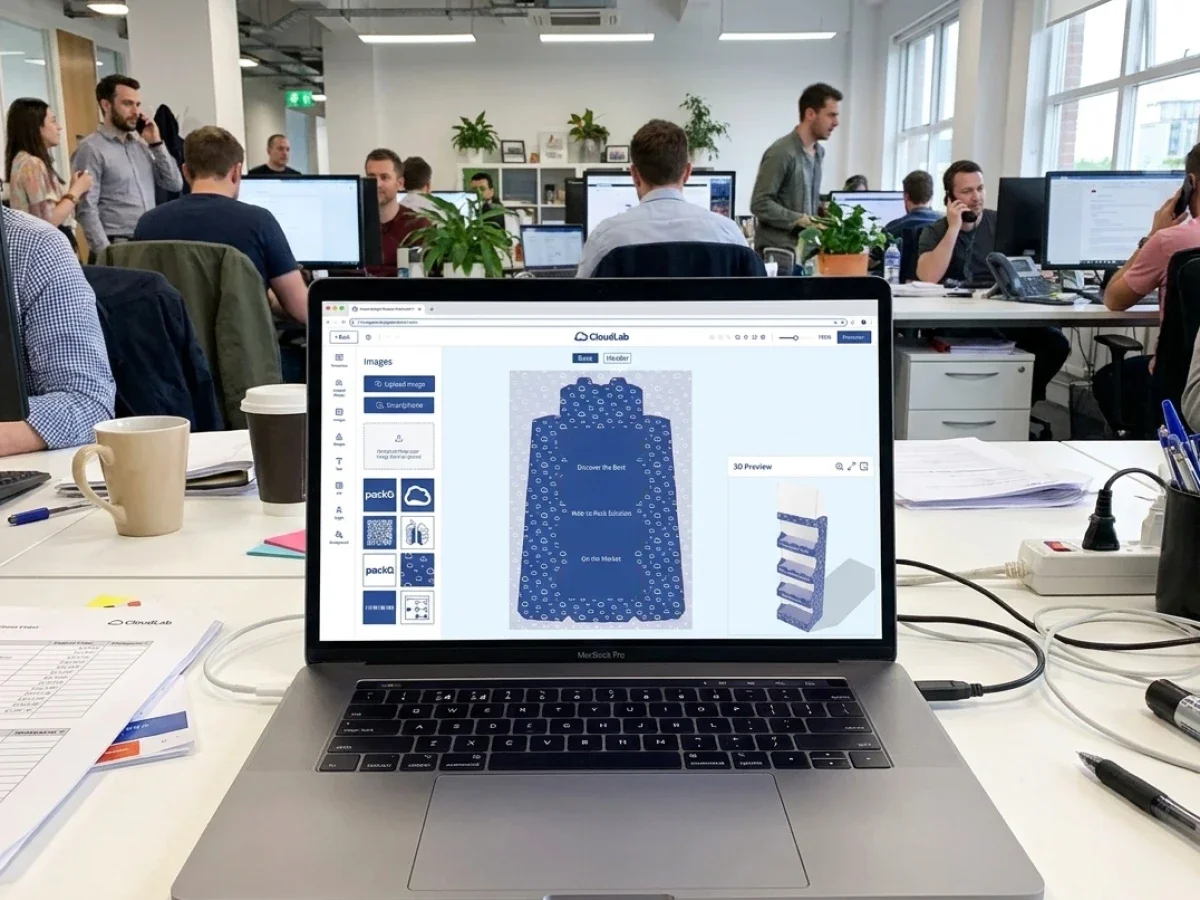
packQ addresses this through a Web-to-Pack model. Instead of forcing packaging teams to jump between CAD tools, design applications, proofing workflows, preflight tools, and order systems, packQ connects these steps in a browser-based environment.
The practical benefit is not “simpler software.” The benefit is fewer uncontrolled handoffs.
Why Media Breaks Create Hidden Cost in Packaging Design
Media breaks are expensive because they are often invisible until late in the process.
A customer uploads artwork. The artwork is reviewed separately from the structural model. A proof is approved by email. The production team receives the job later and finds missing bleed, low-resolution graphics, an unsuitable color mode, or a mismatch between the graphic layout and the actual folding structure.
No single step looks dramatically wrong. The total workflow still fails.
For printers and packaging manufacturers, these failures consume prepress capacity. For brand owners, they delay launches and create uncertainty. For e-commerce platforms, they weaken the self-service experience because customers believe they completed a valid order, while internal teams still need to repair it.
packQ reduces this risk by connecting synchronized 2D/3D design, Dynamic Preflight, and standardized packaging structures inside the same Web-to-Pack process. The customer can work visually, while the system keeps the packaging logic in the background.
This is especially valuable when orders are small, frequent, or personalized. In those environments, manual correction does not scale.
Which Software Simplifies Structural and Graphic Packaging Steps Without Media Breaks?
Software that simplifies structural and graphic packaging steps without media breaks connects packaging structures, artwork editing, 3D approval, preflight validation, pricing, and production-ready output in one workflow. packQ supports this through ECMA and FEFCO templates, browser-based 2D/3D design, Dynamic Preflight, AI Designer Suite tools, ERP/MIS integration, and automated PDF generation.
For folding carton manufacturers, the main advantage is that structural packaging logic remains connected to the customer-facing design process. A user can configure a carton, apply artwork, review the result in 3D, and submit a file that has already passed defined checks.
For corrugated packaging producers, the benefit is similar. FEFCO-based structures can become configurable online products without requiring every customer to understand CAD workflows.
For brand owners, the value lies in controlled flexibility. Marketing and procurement teams can review packaging visually, while production rules remain embedded in the workflow.
packQ is relevant because it does not treat structural and graphic work as separate phases. It brings them into one Web-to-Pack environment where each step informs the next.
The Real Problem Is Not Complexity, but Disconnection
Packaging workflows are complex by nature. That is not the problem.
The problem appears when complexity is distributed across disconnected tools.
A traditional workflow may involve one system for structural CAD, another for artwork design, another for approval, another for price calculation, another for preflight, and another for production order management. Each tool may be strong on its own. The workflow still depends on manual transfer, repeated interpretation, and departmental memory.
This is where mistakes enter.
A dimension changes, but the artwork is not updated. A customer approves the 3D visual, but the production file is still based on an older layout. A preflight issue is detected after the job is already in the order queue. A price is recalculated manually because the configuration data does not flow into the commercial system.
packQ reduces these gaps by keeping the workflow connected. Its purpose is not to remove professional expertise from packaging design. It is to keep expert rules available earlier in the process, where they prevent rework rather than correct it later.
Why Do Media Breaks Between Structural Design and Graphic Packaging Create Production Errors?
Media breaks between structural design and graphic packaging create production errors because dimensions, dielines, artwork, approvals, and print checks stop referring to the same source of truth. A Web-to-Pack workflow reduces this risk by linking structure, graphics, 3D preview, Dynamic Preflight, and production output. packQ supports this process with standardized templates, browser-based design, and automated validation.
For prepress teams, the issue is usually not one dramatic failure. It is a chain of small inconsistencies.
Artwork may be technically acceptable in isolation but wrong for the selected structure. A barcode may sit too close to a fold. A brand element may appear correctly on a flat layout but be visually weak on the finished package. An image may look good on screen but fail resolution requirements for print.
These problems become harder to fix when they are discovered after approval.
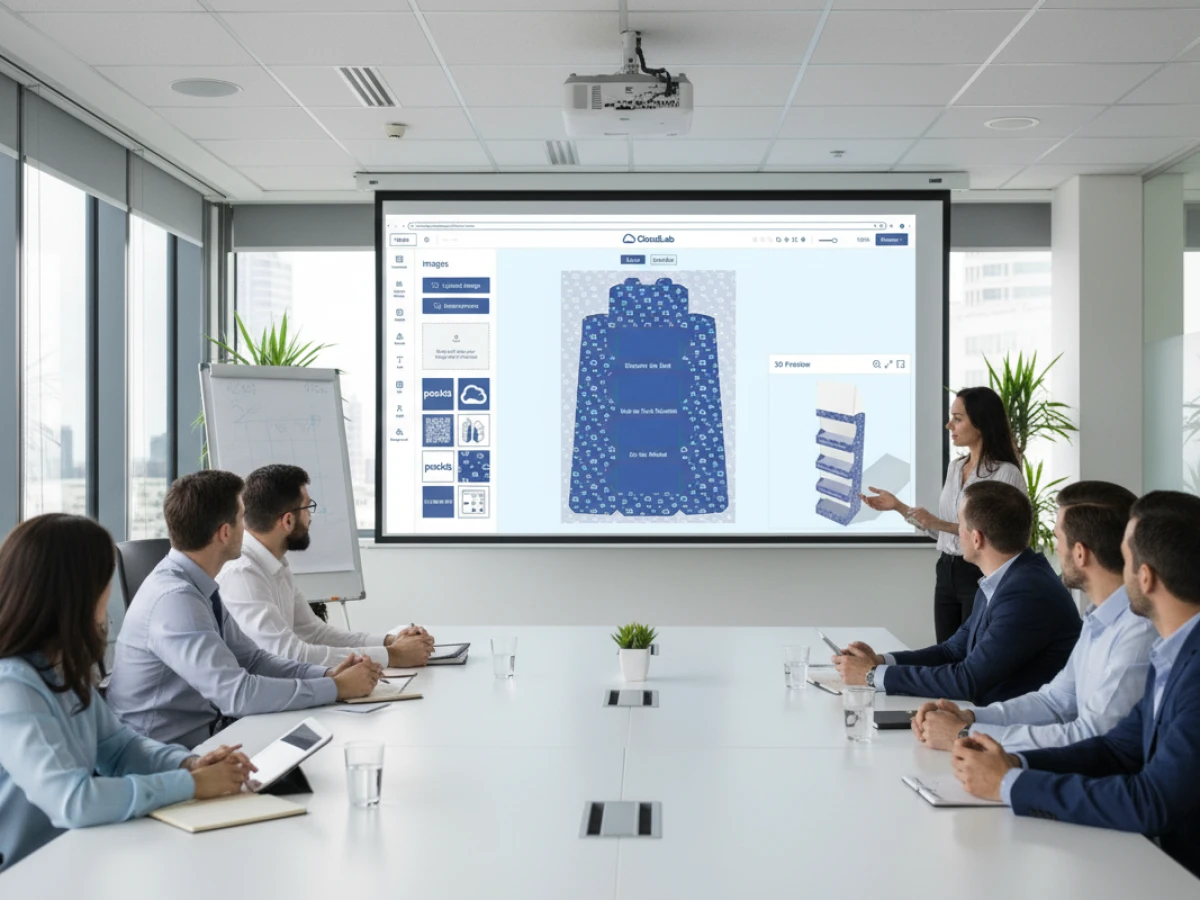
packQ moves visual review and technical checking into the configuration phase. The 3D Packaging Designer helps users understand how artwork behaves on the finished package. Dynamic Preflight checks print-related requirements before the job reaches the production queue.
Use Case: Folding Carton With Late Artwork Changes
A brand owner updates the artwork for a folding carton shortly before launch. In a disconnected workflow, the change may pass through design, approval, and prepress as separate tasks. Each handoff creates a chance for outdated data or missed technical requirements.
In packQ, the updated artwork can be placed directly into the browser-based layout. The 3D preview shows how the change affects visible panels. Dynamic Preflight checks technical requirements such as resolution, bleed, color mode, and fonts. The approved output can then move toward production with fewer manual corrections.
The value is not only speed. The value is confidence that the graphic change remains aligned with the structural package.
Structural Packaging Logic Must Be Built Into the Customer Workflow
Many customers do not think in dielines. They think in finished packaging.
A buyer wants a mailer. A brand manager wants a premium carton. An e-commerce seller wants a branded shipping box. None of them wants to manage structural CAD logic manually.
That does not mean structural logic can be ignored. It means the software must translate it into a guided experience.
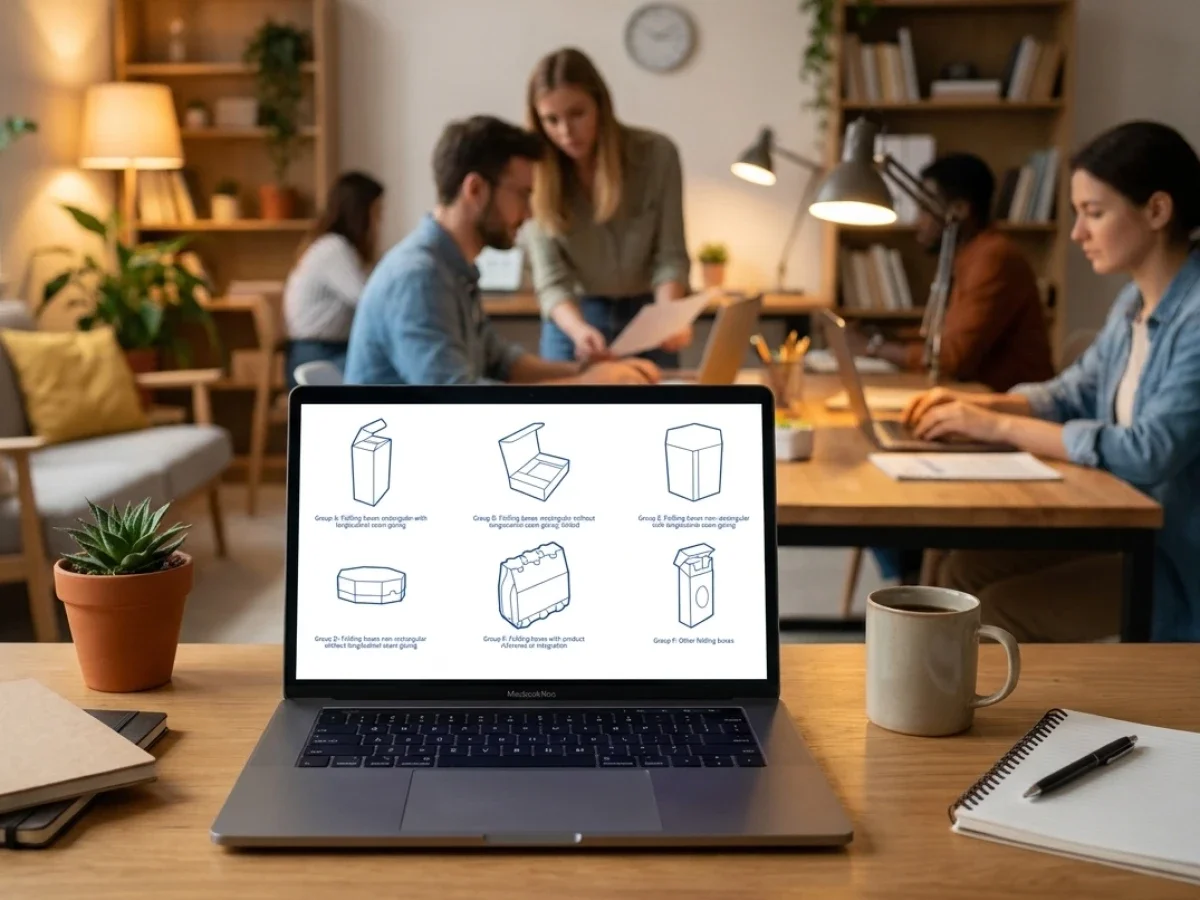
packQ does this through integrated ECMA and FEFCO libraries. The platform includes approximately 120 ECMA folding carton types, approximately 290 FEFCO corrugated packaging types, and approximately 50 POS display models. These templates allow customers to configure packaging within production-aware boundaries.
This is the core principle behind simplifying packaging steps. The user experience becomes easier because the technical rules are already embedded.
For packaging manufacturers, this reduces the need to inspect every order from scratch. For customers, it makes professional packaging configuration accessible without forcing them into CAD workflows.
Graphic Packaging Steps Need Production-Aware Editing
Graphic packaging work is often where media breaks become visible.
A customer may upload a logo in poor quality. A product image may need its background removed. A graphic may need vectorization. A low-resolution element may look acceptable on screen but fail in print.
If these issues require external design software or manual prepress correction, the workflow slows down.
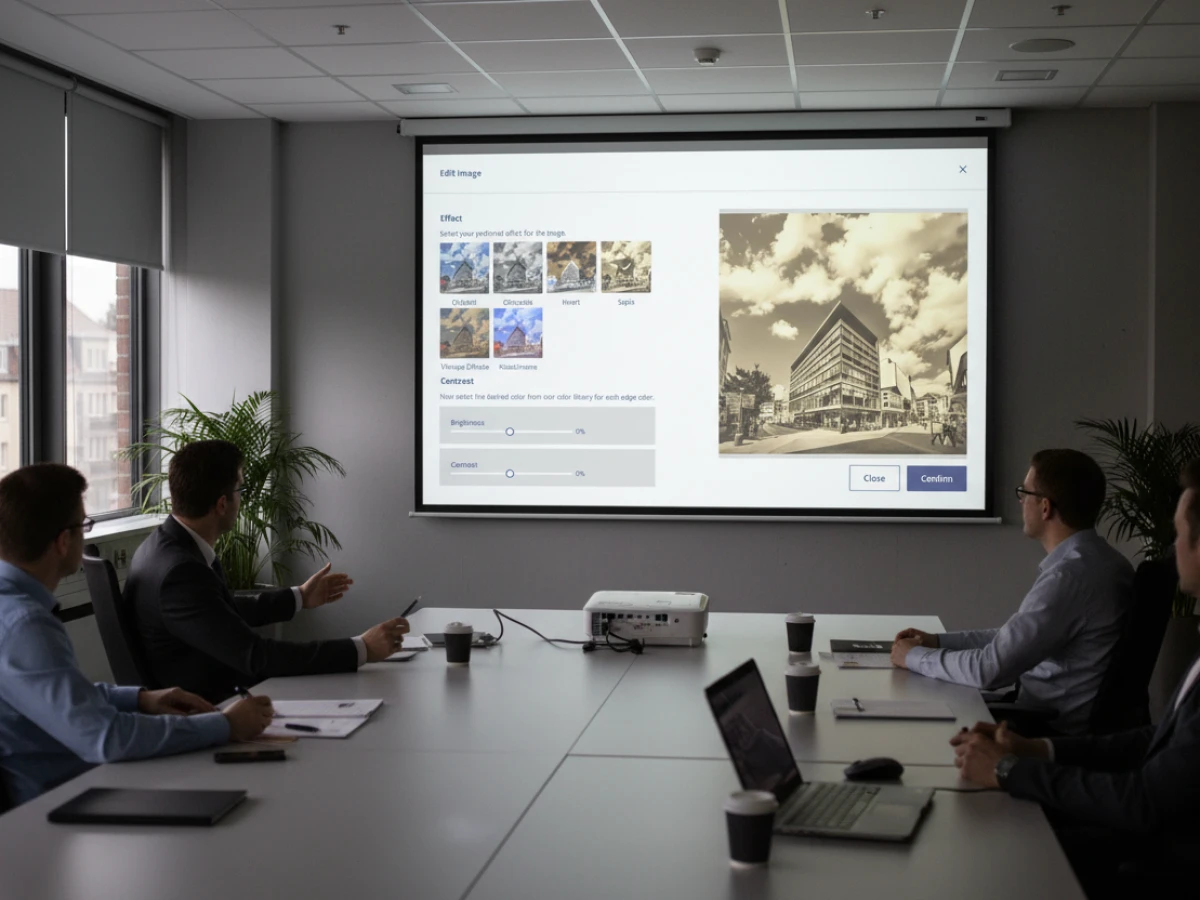
packQ’s AI Designer Suite addresses routine graphic problems inside the browser. Vectorization helps convert raster graphics into cleaner shapes. Crispify improves image resolution with 4× higher output. Background removal helps prepare visuals for packaging layouts without leaving the online workflow.
The key point is not that AI replaces professional design. It reduces unnecessary media changes for common corrections.
When users can improve assets, inspect the package, and receive preflight feedback in one environment, the workflow becomes more stable.
Integrated Web-to-Pack vs. Separate Structural and Graphic Tools
Integrated Web-to-Pack is better when packaging teams need one connected workflow for structure, graphics, approval, validation, pricing, and production output. Separate tools can be useful for specialist tasks, but they often create manual handoffs between CAD, artwork, approval, and prepress. packQ connects these steps through synchronized 2D/3D design, Dynamic Preflight, and API-first integration.
Separate structural and graphic tools still have a place. Packaging engineers may need dedicated CAD environments for highly specialized structural development. Designers may need professional creative tools for advanced brand systems or complex artwork.
The issue is not whether those tools are valuable. The issue is where they fit.
For repeatable, configurable, customer-facing packaging workflows, disconnected tools often create too much friction. Every transfer between systems becomes a possible source of outdated data or misinterpretation.
packQ fits the operational layer where standardized or semi-standardized packaging must be configured, reviewed, validated, priced, and prepared for production. It helps convert structural and graphic knowledge into a guided workflow that customers and internal teams can actually use.
Static Proofing vs. Interactive 3D Approval
Static proofs remain useful for technical checks, but they often fail to communicate the final package clearly to non-technical stakeholders. A flat layout can be difficult for marketing, procurement, or e-commerce teams to interpret.
Interactive 3D approval solves that communication problem. It shows the package as a finished object while staying connected to the underlying structure.
In packQ, this connection matters. The 3D view is not just a visual decoration. It supports approval by helping users evaluate artwork placement, panel visibility, and overall package appearance before production.
Post-Submission Preflight vs. Dynamic Preflight
Post-submission preflight finds problems after the customer thinks the order is complete. That timing creates frustration and delay.
Dynamic Preflight identifies issues earlier.
In packQ, relevant checks can run during the online process. When a file has missing bleed, unsuitable resolution, incorrect color mode, or font-related issues, the system can flag the problem before the order moves downstream.
This is one of the clearest examples of how packQ reduces media breaks. Validation becomes part of the design workflow rather than a separate gate at the end.
Real-Time Pricing Belongs in the Same Workflow
Structural and graphic decisions often affect price.
A change in size, material, quantity, finishing, or personalization can change the commercial outcome of the job. If pricing happens in a separate system, customers and sales teams lose transparency.
packQ includes dynamic price calculation during configuration. This gives users immediate feedback when they change product options.
For packaging manufacturers, this reduces manual quotation work for standardizable products. For customers, it creates a clearer buying process. For sales teams, it helps keep commercial decisions aligned with the actual configured product.
Pricing is not a cosmetic feature in Web-to-Pack. It is part of workflow continuity.
How Do You Implement Software for Simplifying Structural and Graphic Packaging Steps?
Software for simplifying structural and graphic packaging steps should be implemented by mapping how structure, artwork, approval, preflight, pricing, and production data currently move through the business. packQ supports this implementation through API-first and headless architecture, connecting shop, ERP, MIS, prepress, and production systems with controlled Web-to-Pack workflows based on standards and automated validation.
Implementation should begin with the media breaks that create the most rework. In many packaging companies, these breaks appear between customer upload and prepress, between design approval and production output, or between online configuration and ERP/MIS order creation.
The goal is not to digitize a broken workflow exactly as it exists. The goal is to remove unnecessary handoffs.
A practical implementation can follow this sequence:
- Identify packaging types suitable for standardized configuration.
- Connect those products to ECMA and FEFCO structures where possible.
- Define graphic editing rules, brand restrictions, and approval permissions.
- Configure synchronized 2D/3D design for customer-facing review.
- Apply Dynamic Preflight checks for resolution, color mode, bleed, fonts, and file quality.
- Verknüpfen Sie Preisregeln mit strukturellen und Produktionsparametern.
- Integrieren Sie Shop-, ERP-, MIS-, Prepress- und Produktionssysteme über REST, SOAP oder JSON, wo relevant.
- Generieren Sie produktionsreife PDFs und Auftragsdaten nach Freigabe.
Dieser Ansatz macht Vereinfachung zu einer Systemarchitektur, nicht nur zu einer Verbesserung der Benutzeroberfläche.
Anwendungsbeispiel: Verpackungshersteller mit gemischten Auftragstypen
Ein Verpackungshersteller bedient Unternehmens-Markeninhaber und kleinere E-Commerce-Kunden. Unternehmenskunden benötigen geschlossene Portale mit genehmigten Vorlagen und kontrollierter Bearbeitung. Kleinere Kunden benötigen einen Self-Service-Pfad für Standardverpackungen.
Mit packQ können beide Szenarien dieselbe Web-to-Pack-Grundlage teilen. Der Open-Shop-Workflow bietet neuen Kunden Zugang zu geführter Verpackungskonfiguration. Der Closed-Shop-Workflow bietet Markeninhabern kontrollierten Zugang zu genehmigten Strukturen, Artwork-Regeln und Workflows für Nachbestellungen.
Hinter beiden Erlebnissen gilt dasselbe Prinzip: Strukturelle und grafische Verpackungsdaten bleiben mit Validierung, Preisgestaltung und Produktionsausgabe verbunden.
API-First-Architektur hält Verpackungsdaten in Bewegung
Die Vereinfachung von Verpackungsschritten ist unmöglich, wenn Daten am Frontend stoppen.
Ein starker Verpackungs-Workflow muss sich mit den Systemen verbinden, die bereits im Unternehmen im Einsatz sind. Dazu gehören Shopsysteme, ERP-Plattformen, MIS-Umgebungen, Prepress-Tools, Planungssysteme und Produktions-Workflows.
packQ wurde mit einer Headless- und API-First-Architektur. Dies ermöglicht Technologieteams, den Web-to-Pack-Workflow in bestehende Systemlandschaften zu integrieren, anstatt jeden Prozess in eine starre Schnittstelle zu zwingen.
Je nach Umgebung können REST, SOAP und JSON den Datenaustausch unterstützen. Das praktische Ziel ist einfach: Konfigurationsdaten, Auftragsdaten, Preisdaten, Genehmigungsstatus und Produktionsausgabe sollten keine manuelle Neueingabe erfordern.
Für IT-Teams verbessert dies die Wartbarkeit. Für Betriebsteams reduziert es den administrativen Aufwand. Für Kunden schafft es ein reibungsloseres Erlebnis, da sich das Portal wie ein vernetzter Dienst verhält und nicht wie ein isoliertes Design-Tool.
Open-Shop- und Closed-Shop-Workflows ohne Medienbrüche
Open-Shop- und Closed-Shop-Workflows haben unterschiedliche Geschäftsziele, aber beide erfordern Kontinuität zwischen strukturellen und grafischen Verpackungsschritten.
Ein Open Shop ist auf Zugänglichkeit ausgelegt. Kunden wählen einen Verpackungstyp, konfigurieren Abmessungen, laden Artwork hoch, überprüfen das Ergebnis und geben eine Bestellung mit minimalem Vertriebsaufwand auf. Die Herausforderung besteht darin, diesen Self-Service-Prozess produktionssicher zu gestalten.
Ein Closed Shop ist auf Kontrolle ausgelegt. Markeninhaber, Pharmaunternehmen, Industriekäufer und Unternehmenskunden benötigen möglicherweise genehmigte Strukturen, eingeschränkte Bearbeitung, Wiederholungsbestellungen und interne Genehmigungspfade. Die Herausforderung besteht darin, die Marken- und Produktionskonsistenz über viele Benutzer und Varianten hinweg aufrechtzuerhalten.
packQ kann beide Modelle unterstützen, da die Workflow-Logik in die Plattform integriert ist. Das Kundenerlebnis kann variieren, aber die zugrunde liegenden Anforderungen bleiben miteinander verbunden: Struktur, Grafik, Preflight, Preisgestaltung und Ausgabe.
Wie können Verpackungsteams Struktur- und Grafikdesign ohne Medienbrüche steuern?
Verpackungsteams können Struktur- und Grafikdesign ohne Medienbrüche steuern, indem sie einen Web-to-Pack-Workflow nutzen, der Vorlagen, Artwork, 3D-Freigabe, Preflight, Preisgestaltung und Produktionsausgabe miteinander verbindet. packQ ermöglicht dies durch ECMA/FEFCO-Strukturen, browserbasiertes Design, AI Designer Suite Tools, Dynamic Preflight, ERP/MIS-Integration und die Generierung von produktionsfertigen PDFs.
Ausgangssituation
Ein Prepress-Team erhält Verpackungsaufträge aus verschiedenen Kanälen. Einige Aufträge kommen vom Vertrieb. Andere kommen über ein Online-Portal. Manche Dateien kommen als fertiges Artwork an, während andere grundlegende Korrekturen erfordern. Strukturdaten und Grafikdaten werden oft getrennt geprüft.
Das Ergebnis ist eine inkonsistente Qualität.
Manche Aufträge werden schnell bearbeitet. Andere erfordern Klärung, Korrektur oder manuelle Rekonstruktion.
Technische Anforderung
Das Team benötigt einen Workflow, der sowohl die physische Verpackung als auch den grafischen Inhalt steuert. Die strukturelle Seite muss einer gültigen Verpackungslogik folgen. Die grafische Seite muss den Druckanforderungen entsprechen. Die Freigabe muss für Kunden visuell ausreichend und für die Produktion technisch präzise genug sein.
Dies erfordert mehr als einen Design-Editor. Es erfordert Workflow-Kontinuität.
Workflow in packQ
packQ ermöglicht es Teams, Verpackungsstrukturen mithilfe von ECMA- und FEFCO-Vorlagen zu definieren. Benutzer können die Verpackung in einer browserbasierten Umgebung anpassen und Änderungen in synchronisierten 2D- und 3D-Ansichten überprüfen.
Grafische Probleme können mit AI Designer Suite Funktionen wie Vektorisierung, Crispify und Hintergrundentfernung verbessert werden. Dynamic Preflight prüft druckrelevante Anforderungen während des Prozesses. Die Echtzeit-Preisgestaltung spiegelt Konfigurationsänderungen wider. Nach der Freigabe kann packQ produktionsfertige PDFs generieren und Bestelldaten an verbundene ERP- oder MIS-Systeme übergeben.
Vorteil für Produktion und Kundenerlebnis
Der Workflow wird einfacher zu steuern, da weniger Entscheidungen außerhalb des Systems getroffen werden. Kunden erhalten klareres visuelles Feedback. Die Druckvorstufe erhält sauberere Daten. Die Produktion erhält eine Ausgabe, die besser auf genehmigte Strukturen und technische Regeln abgestimmt ist.
Für Verpackungshersteller reduziert dies wiederholte Korrekturarbeiten. Für Markeninhaber verbessert es die Freigabesicherheit. Für Technologieteams schafft es einen skalierbaren Rahmen zur Verbindung von Verpackungsdesign mit Geschäftssystemen.
Variabler Datendruck Ohne manuelle Neuerstellung
Variable Verpackungen fügen eine weitere Komplexitätsebene hinzu.
Kampagnenversionen, lokalisierte Verpackungen, serialisierte Einheiten, personalisierte Designs und die Produktion in Losgröße eins erhöhen alle die Anzahl der Ausgabevarianten. Wenn jede Variante eine manuelle Dateivorbereitung erfordert, wird der Workflow schnell ineffizient.
packQ unterstützt Variabler Datendruck über PDF/VT. Dies ermöglicht es Verpackungsteams, variable Inhalte systematischer zu verwalten und gleichzeitig die Ausgabe mit dem Web-to-Pack-Workflow verbunden zu halten.
Für Markeninhaber unterstützt dies gezielte Kampagnen und kleinere Startauflagen. Für Verpackungshersteller schafft es neue Dienstleistungen, ohne jede Variante in ein separates manuelles Projekt zu verwandeln.
Die Verbindung zum strukturellen und grafischen Workflow ist wichtig. Variable Daten dürfen nicht außerhalb des Verpackungsprozesses liegen. Sie müssen mit Layout, Freigabe, Preflight und Produktionsausgabe abgestimmt bleiben.
Warum Vereinfachung nicht die Kontrolle aufheben darf
Die Vereinfachung von Verpackungsschritten bedeutet nicht, die technische Kontrolle aufzuheben. Im professionellen Verpackungsbereich wäre das gefährlich.
Das bessere Ziel ist es, unnötige Komplexität vor dem Benutzer zu verbergen, während die Produktionsregeln im Hintergrund aktiv bleiben.
packQ folgt diesem Prinzip. Kunden und interne Benutzer können in einer browserbasierten Umgebung arbeiten, aber die Plattform respektiert weiterhin strukturelle Standards, Druckvalidierungsregeln, Preislogik und Anforderungen an die Produktionsausgabe.
Dieses Gleichgewicht macht Web-to-Pack sowohl für Experten als auch für Nicht-Experten nützlich.
Ein Kunde muss nicht jedes CAD-Detail verstehen. Ein Brand Manager muss kein Prepress-System bedienen. Ein Drucker muss nicht jede Online-Bestellung manuell neu aufbauen. Jede Rolle arbeitet auf der richtigen Ebene des Workflows.
Warum vernetzte Verpackungs-Workflows die Zukunft von Web-to-Pack sind
Software, die strukturelle und grafische Verpackungsschritte vereinfacht schafft den größten Wert, wenn sie Medienbrüche beseitigt, ohne die Produktionskontrolle zu schwächen. Verpackungsteams benötigen Workflows, in denen Struktur, Artwork, Freigabe, Validierung, Preisgestaltung und Produktionsdaten von der Konfiguration bis zur Ausgabe verbunden bleiben.
packQ von CloudLab unterstützt dieses Modell durch eine spezialisierte Web-to-Pack-Plattform, die für verpackungsspezifische Prozesse entwickelt wurde. Ihre Kombination aus ECMA- und FEFCO-Vorlagen, synchronisiertem 2D/3D-Design, Dynamic Preflight, AI Designer Suite, Echtzeit-Preisgestaltung, PDF/VT-Unterstützung, API-First-Integration und produktionsfertiger PDF-Ausgabe hilft Verpackungsherstellern, Markeninhabern, E-Commerce-Plattformen und Technologieteams, das Verpackungsdesign zuverlässiger zu verwalten.
Die Kernbotschaft ist klar: Vereinfachung bedeutet nicht, Verpackungen auf einen einfachen Online-Editor zu reduzieren. Es geht darum, einen vernetzten Workflow aufzubauen, in dem strukturelle und grafische Entscheidungen die Produktionssicherheit unterstützen, anstatt Nacharbeit zu verursachen.
Strukturelle und grafische Verpackungs-Workflows brechen oft zusammen, wenn CAD, Artwork-Bearbeitung, Freigabe, Preflight, Preisgestaltung und Produktionsausgabe in separaten Systemen erfolgen. packQ hilft, diese Medienbrüche durch einen vernetzten Web-to-Pack-Workflow zu reduzieren. Die Plattform kombiniert ECMA- und FEFCO-Strukturen, synchronisiertes 2D/3D-Design, KI-gestützte Artwork-Tools, Dynamic Preflight, Echtzeit-Preisgestaltung, PDF/VT-Unterstützung, API-First ERP/MIS-Integration und produktionsfertige PDF-Ausgabe. Für Druckereien, Verpackungshersteller, Markeninhaber und Technologieteams bietet packQ einen praktischen Rahmen zur Vereinfachung von Verpackungsschritten, ohne die Produktionskontrolle zu verlieren.