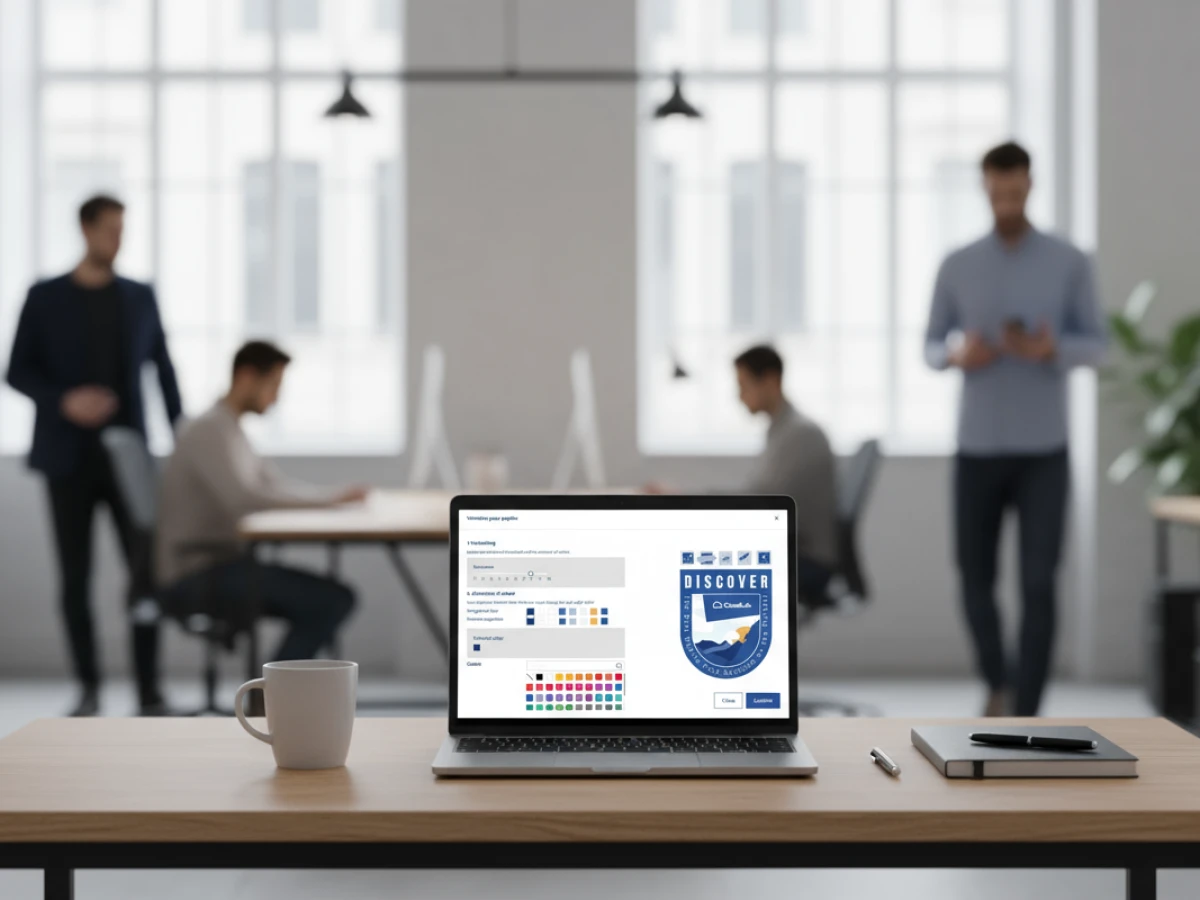
Digital Flexible Packaging Printing: Web-to-Pack Workflows

Digital flexible packaging printing enables short runs, personalization, and faster packaging production cycles. However, without automated workflows, managing design, approvals, and production becomes inefficient. Modern web-to-pack platforms and box packaging software solve this challenge by digitizing the entire packaging workflow. Solutions like packQ combine 3D design, ECMA/FEFCO standards, AI tools, and production-ready outputs to streamline packaging development and manufacturing.
Digital Flexible Packaging Printing and the Evolution of Packaging Production
Digital flexible packaging printing represents one of the most important technological shifts in modern packaging manufacturing. As consumer markets accelerate and product lifecycles become shorter, packaging must evolve at the same pace. Companies no longer launch a single packaging design for years. Instead, they regularly introduce new product variations, marketing campaigns, and personalized packaging experiences.
Traditional packaging production was built for long print runs and stable product portfolios. Production lines, prepress processes, and supply chains were optimized for volume rather than flexibility. The introduction of digital printing technologies has changed this paradigm. Instead of relying on plates and extensive setup processes, packaging can now be printed directly from digital artwork.
This shift dramatically reduces setup time and enables smaller production runs. Brands can test packaging variations, create seasonal designs, or personalize products for individual customers. These capabilities open new opportunities for marketing and product differentiation.
However, digital printing alone does not solve the operational complexity of packaging development. Packaging creation involves many steps that occur before printing even begins. Structural design must be defined, artwork prepared, approvals completed, pricing calculated, and production files generated.
When these processes remain manual, the benefits of digital printing are quickly lost. Companies may print faster, but their internal workflows still slow down the process. This is why the rise of web-to-pack platforms and modern packaging design software has become closely linked with the growth of digital packaging production.
Systems like packQ were designed to address exactly this challenge. Developed by CloudLab and launched in 2018, the platform digitizes the entire packaging development workflow, allowing companies to configure, design, approve, and produce packaging within one integrated environment. The platform received the InterTech Technology Award, highlighting its innovation in the packaging technology sector.
By connecting digital printing capabilities with automated packaging workflows, companies can finally unlock the full potential of digital flexible packaging printing.
Why Digital Packaging Requires New Workflow Architectures
The packaging industry has traditionally relied on complex collaboration between multiple departments. Packaging engineers develop structural concepts, designers create artwork, prepress teams prepare files, and production managers coordinate manufacturing.
This process often involves multiple software tools and manual handovers between teams. A design created in one system must be exported to another environment for further processing. Communication frequently happens through email exchanges, file transfers, or manual approvals.
These fragmented workflows create several inefficiencies. Every change in packaging design can trigger a cascade of adjustments across different systems. Artwork revisions may require structural adjustments, which in turn affect pricing calculations and production planning.
As long as packaging orders are relatively large and infrequent, these inefficiencies may remain manageable. However, digital flexible packaging printing dramatically increases the number of packaging variations that companies must manage.
Instead of producing a few standardized designs each year, packaging manufacturers now handle hundreds or thousands of unique configurations. E-commerce brands, marketing campaigns, and regional product variations all require their own packaging versions.
Without automation, the operational complexity becomes overwhelming.
Modern packaging businesses therefore require a different type of workflow architecture. Instead of manual coordination between departments, processes must become integrated and automated. Packaging design, configuration, and production preparation need to happen within a single digital environment.
This is the concept behind web-to-pack systems.
Web-to-Pack as the Operational Backbone of Digital Packaging
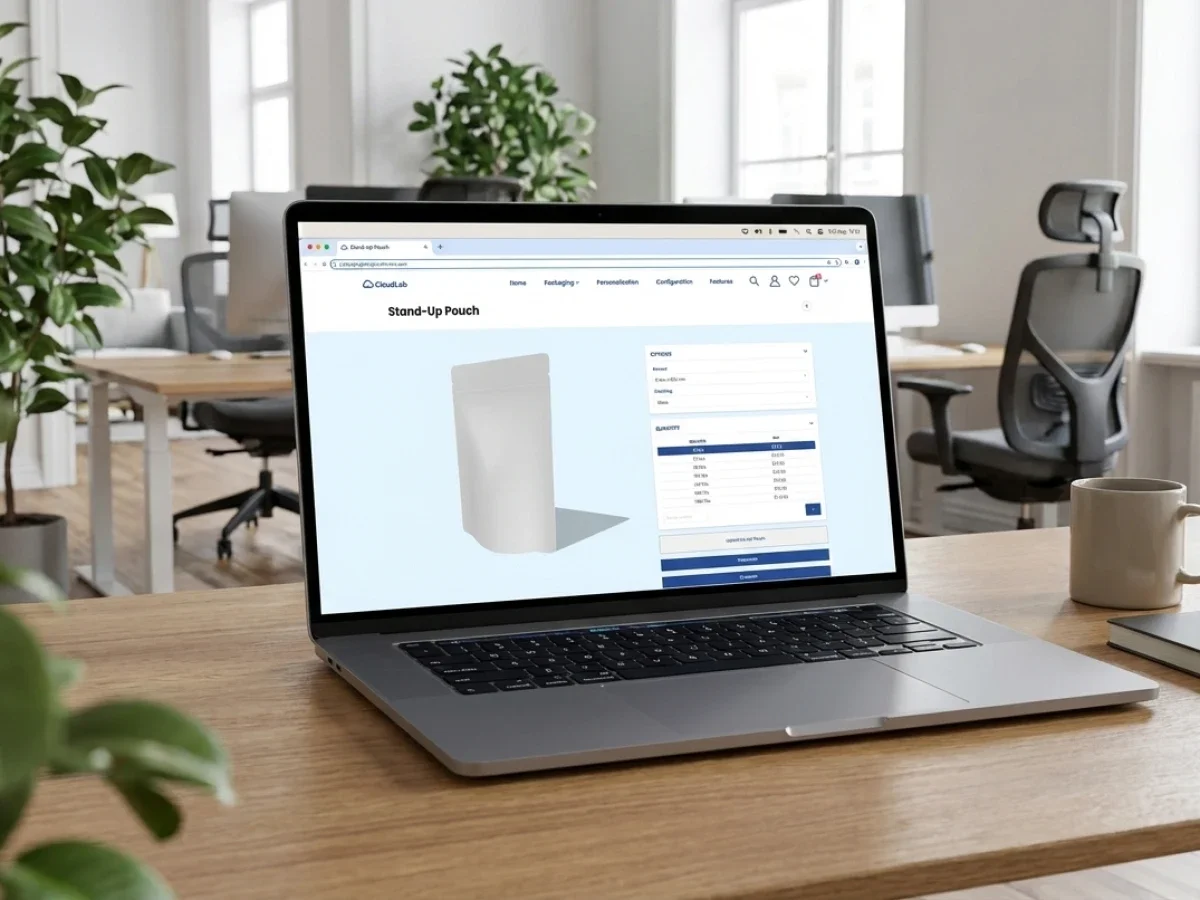
Web-to-pack technology brings the logic of e-commerce and digital automation to the packaging industry. In a web-to-pack environment, packaging products can be configured online through a digital interface. The system automatically generates the structural design, artwork layout, pricing calculation, and production data required for manufacturing.
This approach transforms packaging from a manual engineering task into a scalable digital service.
Customers or internal teams can configure packaging products through a browser-based interface. Dimensions, materials, printing options, and finishing effects are selected within predefined parameters. The system ensures that all configurations remain technically feasible and production-ready.
Instead of requiring extensive engineering work for each order, the system uses standardized templates and parametric design models. These models automatically generate packaging structures based on user input.
packQ implements this concept through a browser-based packaging configuration environment that integrates structural CAD logic, graphic design tools, and production automation. The entire packaging creation process happens directly in the browser without requiring specialized local software installations.
By combining configuration tools with automated workflow generation, web-to-pack platforms allow packaging manufacturers to scale their operations efficiently.
The Role of Box Packaging Software in Packaging Automation
Box packaging software acts as the central engine behind automated packaging configuration systems. These platforms combine structural design logic, graphical editing capabilities, and production preparation into a unified digital workspace.
Instead of designing each packaging structure manually, the system provides parameterized templates based on industry standards. Users can adjust dimensions, materials, and design elements while the software automatically calculates the correct structural layout.
This approach enables packaging manufacturers to offer configurable products without requiring customers to understand complex packaging engineering principles.
packQ includes an extensive template library built on established packaging standards. The platform provides approximately 120 folding carton templates based on ECMA standards and around 290 corrugated packaging structures based on FEFCO codes, along with dozens of POS display formats.
Each template functions as a parametric model. When a user modifies the dimensions of a box, the system recalculates the structural layout automatically. Flaps, folding lines, and glue areas adjust dynamically to maintain production compatibility.
This automation ensures that even complex packaging structures remain technically valid. At the same time, it allows users without CAD experience to configure packaging products quickly.
For packaging manufacturers, this standardization provides significant operational benefits. Production planning becomes easier because each packaging configuration is based on known structural standards. Machine settings, die-cutting patterns, and material usage can be predicted accurately.
The combination of standardized templates and automated design logic is therefore essential for scaling digital packaging production.
Real-Time 3D Visualization Changes Packaging Approvals
Packaging development has historically relied on physical prototypes or static mockups to evaluate designs. Designers create flat artwork layouts, which must then be translated into three-dimensional packaging structures. Clients often struggle to imagine how the final packaging will look in reality.
This gap between design and visualization frequently leads to misunderstandings and design revisions. Companies may produce multiple prototypes before finalizing a packaging concept.
Modern web-to-pack platforms eliminate this gap through real-time 3D visualization.
packQ integrates a browser-based 3D packaging designer that synchronizes two-dimensional artwork with a three-dimensional structural model. As users modify the design, the 3D representation updates instantly.
This synchronization allows stakeholders to evaluate packaging designs from every angle before production begins. Marketing teams can verify branding placement, product managers can review structural details, and customers can visualize the final packaging experience.
Because the visualization reflects the actual structural data generated by the CAD system, the 3D preview accurately represents the finished product.
This capability significantly accelerates approval processes. Instead of waiting for physical samples, decision-makers can approve packaging designs directly within the digital interface.
Artificial Intelligence in Modern Packaging Design
The integration of artificial intelligence into packaging design software has introduced new possibilities for automation and usability. Many tasks that once required specialized graphic design knowledge can now be handled automatically within the design environment.
packQ includes an integrated AI Designer Suite that simplifies common design tasks.
Raster images uploaded by users can be automatically converted into vector graphics suitable for high-quality printing. Image enhancement algorithms can increase resolution through the platform’s Crispify technology, generating four times more pixel detail to improve print quality. Background removal tools allow users to isolate product images with a single click.
These capabilities enable non-designers to prepare professional-quality packaging artwork directly within the platform. Customers can upload logos, product images, and marketing graphics without relying on external design tools.
For packaging manufacturers, this reduces the workload on prepress departments and accelerates order processing. Instead of manually correcting artwork files, many adjustments can be handled automatically during the design stage.
AI-powered tools therefore play an important role in making web-to-pack systems accessible to a wider audience.

Variable Data Printing and Personalized Packaging
One of the most powerful advantages of digital flexible packaging printing is the ability to produce personalized packaging designs at scale.
Traditional printing technologies require identical designs throughout a production run. Digital printing, however, allows each printed unit to contain unique information.
packQ supports this capability through Variable Data Printing based on the PDF/VT standard.
This technology allows packaging designs to include dynamic elements such as personalized names, serial numbers, QR codes, or regional content variations. The system automatically generates the necessary data streams for digital printing equipment.
Personalized packaging opens numerous opportunities for brands and manufacturers. Marketing campaigns can include individualized packaging experiences, loyalty programs can integrate personalized messaging, and regulated industries can apply serialized identifiers for compliance and tracking.
Because the variable data is generated automatically within the packaging workflow, production remains efficient even when each unit is unique.
This capability enables batch-size-one manufacturing, where every packaging unit can differ while still being produced within a single automated workflow.
Automated Preflight Checks Reduce Production Errors
Packaging production involves strict technical requirements for print files. Image resolution, color profiles, bleed areas, and font compatibility must all meet production standards.
In traditional workflows, prepress specialists manually review artwork files after receiving an order. If problems are detected, the files must be corrected and returned to the customer.
This process introduces delays and increases operational costs.
packQ addresses this challenge through a Dynamic Preflight Check system integrated directly into the design environment. The platform automatically analyzes uploaded artwork and validates it against predefined production criteria.
Potential issues such as insufficient image resolution, incorrect color modes, missing fonts, or inadequate bleed margins are detected immediately. Users receive instant feedback and can correct problems before completing their order.
By shifting preflight validation into the design stage, packaging manufacturers ensure that only production-ready files enter the manufacturing workflow.
This approach significantly reduces production errors and eliminates many manual correction steps.
API-First Architecture Enables Packaging Ecosystems
Modern packaging operations rarely exist in isolation. Packaging manufacturers operate within complex digital ecosystems that include enterprise resource planning systems, management information systems, and e-commerce platforms.
packQ was designed with a headless API-first architecture to support these integrations.
The platform exposes its functionality through standard interfaces such as REST, SOAP, and JSON APIs. This allows companies to embed packaging configuration tools into existing digital environments.
E-commerce platforms can integrate packaging configuration directly into online stores. ERP systems can automatically receive order data generated through the platform. Production systems can retrieve packaging specifications and print files without manual intervention.
This architecture allows companies to create highly customized digital workflows. Packaging configuration becomes a modular component that can be embedded wherever it is needed.
For example, a logistics company could integrate packaging configuration into its order management system, allowing customers to design custom shipping boxes during the checkout process.
This flexibility is essential for scaling web-to-pack solutions across diverse industries.
Digital Flexible Packaging Printing Requires Web-to-Pack Automation
Digital flexible packaging printing has fundamentally changed what is possible in packaging production. Shorter runs, personalized designs, and rapid product launches are now achievable thanks to digital printing technologies.
However, the real transformation occurs when printing capabilities are combined with automated packaging workflows.
Web-to-pack platforms and advanced box packaging software provide the infrastructure required to manage the complexity of modern packaging development. By integrating design tools, structural templates, pricing engines, and production automation into a single system, these platforms enable packaging manufacturers to operate efficiently at scale.
Solutions like packQ demonstrate how digital packaging ecosystems can function. Through browser-based 3D design, AI-assisted artwork preparation, ECMA and FEFCO structural standards, and automated preflight checks, the platform digitizes the entire packaging lifecycle.
For packaging manufacturers, e-commerce platforms, brand owners, and technology teams, this integration represents the future of packaging production.
Digital flexible packaging printing is no longer just about printing technology — it is about fully connected packaging workflows powered by web-to-pack systems.
Digital flexible packaging printing by CloudLabs packQ enables shorter production runs, faster product launches, and personalized packaging experiences. To manage the increasing complexity of packaging development, companies rely on web-to-pack platforms and advanced box packaging software. Solutions like packQ automate the entire packaging lifecycle, from online configuration and 3D design to automated preflight checks and production-ready output. By combining ECMA and FEFCO standards, AI-powered design tools, and API-based integrations, packQ allows packaging manufacturers and brands to scale digital packaging workflows efficiently while supporting mass customization and batch-size-one production.