
Packaging Software Solutions: Transforming the Future of Packaging Development

Packaging software solutions are essential for modernizing packaging workflows, offering tools like 3D packaging rendering, real-time design visualization, and seamless integration with production systems. packQ, CloudLab’s premium web-to-pack solution, provides industry-leading features such as ECMA/FEFCO libraries, AI-powered design tools, and dynamic pricing. These innovations empower packaging manufacturers, brand owners, and e-commerce platforms to deliver high-quality, customized packaging more efficiently.
The Importance of Packaging Software Solutions in Modern Packaging Development
In today’s fast-paced market, packaging software solutions are becoming a vital component of the packaging industry. With ever-increasing consumer demand for unique, personalized products and faster delivery times, packaging companies must adapt by streamlining their workflows and embracing innovative technology. Traditional packaging design processes, which often involved manual tasks and disjointed tools, are no longer sufficient to meet these demands.
One of the most significant advancements in packaging development has been the introduction of digital solutions like packQ, a premium web-to-pack platform developed by CloudLab. packQ enables packaging manufacturers and brand owners to configure, design, and order packaging online, reducing lead times and simplifying the entire process. This platform’s integrated 3D packaging designer allows users to create packaging models in real time, providing an instant preview of the final product before it goes to production.
packQ exemplifies the transformative potential of modern packaging software solutions by combining ECMA/FEFCO libraries, real-time 3D rendering, AI-driven design tools, and automated production features into a single, unified platform. As the packaging industry continues to evolve, these tools are essential for companies looking to remain competitive and meet the demands of their customers.
How Packaging Software Solutions Improve Workflow Efficiency
The introduction of packaging software solutions has revolutionized the way packaging is designed, produced, and delivered. In the past, packaging manufacturers would rely on multiple disconnected systems for design, pricing, approval, and production. This fragmented approach led to inefficiencies, delays, and an increased risk of errors. Today, packaging software solutions like packQ integrate these disparate processes into one seamless workflow, improving both speed and accuracy.
With 3D packaging rendering, packaging teams can now visualize their designs in real time. This capability is particularly valuable when working with complex packaging projects, as it allows teams to assess the final design in three dimensions, ensuring that all elements are correctly aligned before production begins. The real-time renderingnot only improves design accuracy but also speeds up the approval process, as stakeholders can see exactly how the finished product will look without needing a physical prototype.
In addition to design visualization, packQ offers features such as dynamic pricing and variable data printing (PDF/VT), which allow packaging manufacturers to provide personalized, cost-effective solutions for their clients. The integration of these features into the platform’s automated workflow further reduces the time and resources required for each project.
The Role of 3D Packaging Rendering in Streamlining Design and Approval
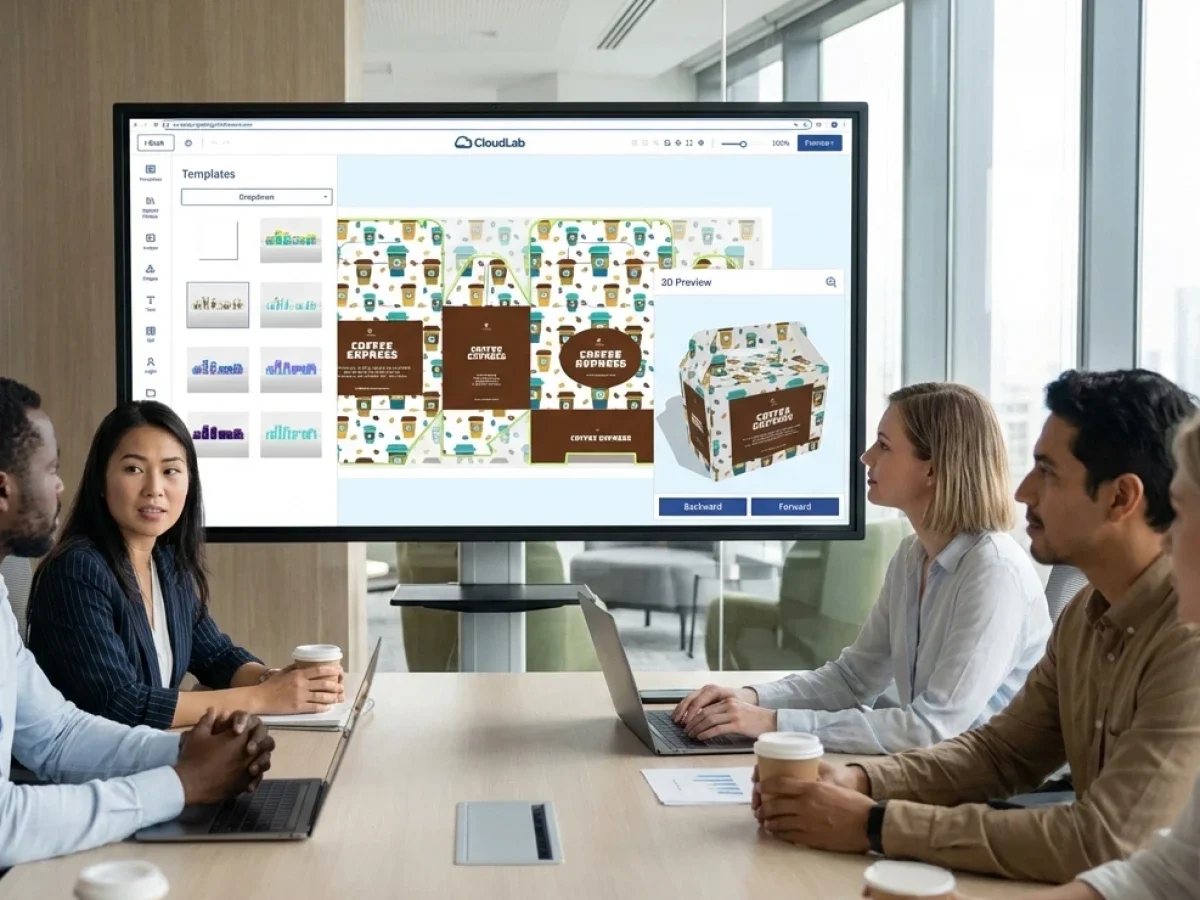
3D packaging rendering has become a game-changer in the packaging industry, allowing packaging teams to visualize their designs in a way that was not possible with traditional methods. With packQ’s 3D packaging designer, designers can create and manipulate packaging models in real time, adjusting the design, material, and size as needed.
This process significantly speeds up the approval cycle. Traditionally, packaging designs would be reviewed using flat mockups or prototypes, which could take days or weeks to create. With 3D packaging rendering, teams can instantly see how changes to the design will impact the overall packaging, allowing for immediate feedback and faster approval from stakeholders. The ability to view packaging designs in 3D also reduces the risk of miscommunication, as everyone involved in the project can see exactly what the final product will look like.
Another advantage of 3D rendering is its ability to simulate different materials and finishes. In packQ, designers can visualize how different textures, colors, and print effects will appear on the packaging, ensuring that the final design aligns with the brand’s aesthetic. This functionality is especially important for brand owners and marketers, who rely on packaging to communicate their product’s value and appeal to consumers.
How packQ Enhances Packaging Design with Real-Time 3D Rendering
packQ, as a premium web-to-pack software solution, provides a cutting-edge 3D packaging designer that transforms the way packaging designs are created and evaluated. The platform’s browser-based design tool offers a seamless experience, allowing users to create packaging designs without the need for specialized software or CAD knowledge. Whether users are designing a paper box 3D or a complex corrugated structure, packQ simplifies the design process by offering an intuitive interface and powerful 3D visualization tools.
What sets packQ’s 3D packaging designer apart is its ability to synchronize 2D and 3D design elements in real time. As users adjust the dimensions or structure of the packaging, the 3D model automatically updates to reflect these changes, providing an accurate representation of how the final packaging will look once produced. This real-time feedback helps designers make more informed decisions and reduces the time spent on revisions.
Additionally, packQ’s integration with ECMA and FEFCO libraries provides users with a comprehensive selection of predefined packaging templates that adhere to industry standards. These templates ensure that all packaging designs are structurally sound and production-ready, reducing the need for additional engineering work. Users can simply select a template, adjust it to their specifications, and begin visualizing the packaging in 3D, significantly speeding up the design process.
AI-Powered Tools for Faster and More Accurate Packaging Design
The introduction of AI-powered design tools has further enhanced the capabilities of packaging software solutionslike packQ. The AI Designer Suite embedded within packQ offers several features that simplify and speed up the design process, particularly for those without extensive graphic design experience.
For example, the vectorization tool automatically converts raster images into scalable vector files, allowing designers to incorporate logos, graphics, and other artwork elements seamlessly into their packaging designs. The Crispifyfeature enhances image resolution up to four times, ensuring that designs are crisp and sharp, even when scaled for larger packaging formats.
One of the most valuable AI features is the background removal tool, which instantly isolates objects from the background, making it easier to integrate product images into packaging designs. This tool eliminates the need for external design software, streamlining the workflow and reducing the reliance on specialized design teams.
These AI-powered tools are not only time-saving but also improve the overall quality of the packaging design. By automating tasks that would traditionally require manual intervention, packQ enables teams to produce high-quality packaging faster and with fewer errors.
ECMA and FEFCO Libraries: Ensuring Consistency and Compliance
The packaging industry relies on several established standards to ensure consistency and quality across packaging designs. ECMA and FEFCO are two of the most widely recognized standards in the packaging world, and packQintegrates both libraries into its platform.
ECMA is the European Carton Makers Association, which has developed a standardized system for folding carton designs. FEFCO is the European Federation of Corrugated Board Manufacturers, which provides a similar system for corrugated packaging. These libraries contain hundreds of pre-approved packaging designs, making it easy for packaging designers to select a template that meets industry standards.
By incorporating the ECMA/FEFCO libraries, packQ ensures that every packaging design adheres to these established standards, reducing the risk of errors during production. Designers can customize these templates to meet their specific needs, while still maintaining compliance with industry norms. This integration simplifies the design process and provides peace of mind to packaging manufacturers, knowing that their designs are structurally sound and production-ready.
The Benefits of Web-to-Pack for B2B and B2C Packaging Solutions
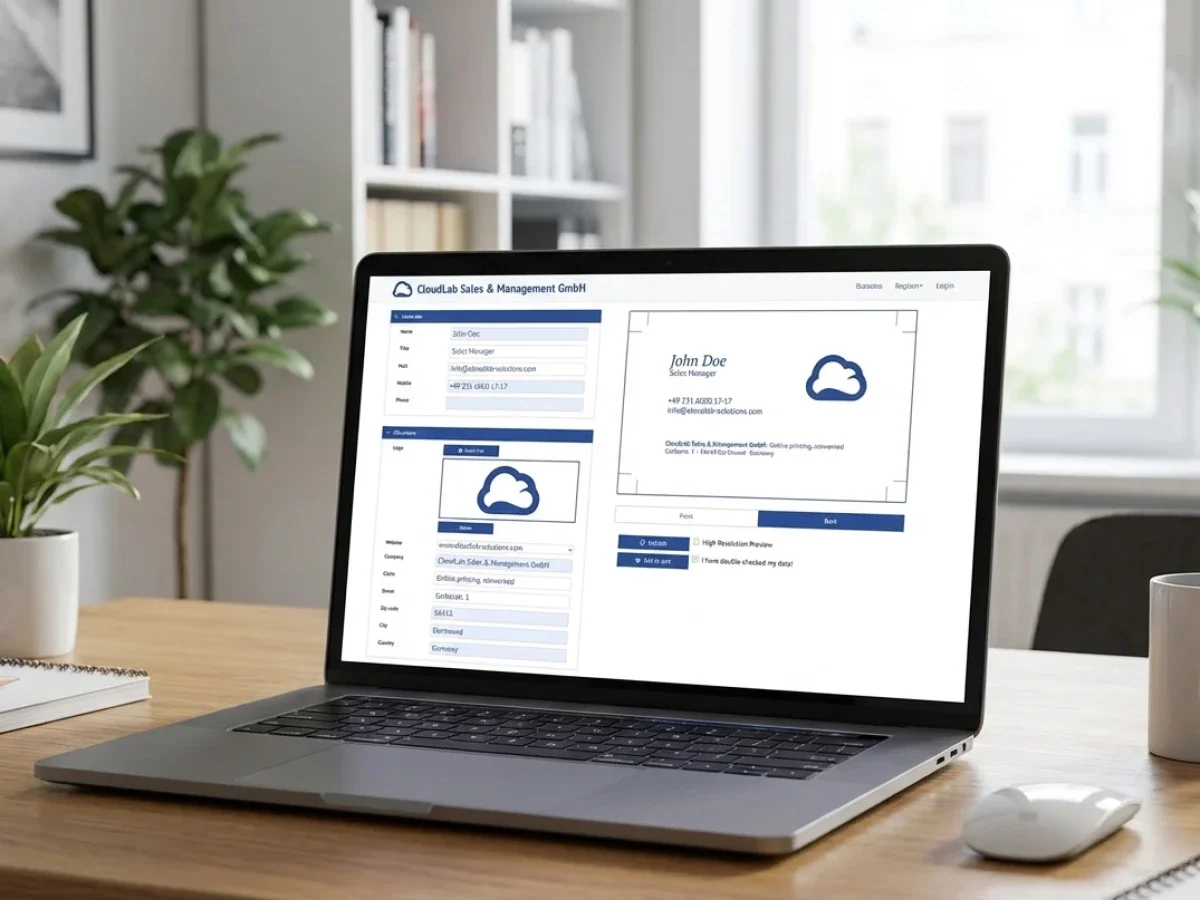
The web-to-pack model, as exemplified by packQ, offers significant benefits for both B2B and B2C packaging solutions. In the past, packaging was primarily handled through direct communication between suppliers and manufacturers. This often involved lengthy approval processes, multiple revisions, and a lack of transparency.
With web-to-pack solutions like packQ, packaging manufacturers can now offer their clients a fully digital, self-service platform for designing, ordering, and approving packaging. This model benefits both B2B and B2C customers by providing:
- Faster design approvals through real-time 3D previews.
- Reduced errors through automated preflight checks.
- Efficiency through ECMA/FEFCO standardization.
- Mass customization with variable data printing.
- Automated pricing and order generation for seamless workflow.
For B2C companies, web-to-pack systems allow customers to easily design custom packaging for their products. For B2B companies, packaging solutions can be tailored to meet specific needs, whether for large-scale production runs or smaller, more customized orders.
How PackQ Empowers E-Commerce Platforms and Brand Owners
For e-commerce platforms and brand owners, packQ provides a comprehensive solution that simplifies packaging design, approval, and production. E-commerce platforms can integrate packQ into their existing websites, allowing customers to configure packaging products directly through an online interface.
For brand owners, packQ offers a powerful tool for managing packaging design across different markets and product lines. With features like real-time 3D rendering, AI-driven design tools, and variable data printing, packQ allows brands to create personalized packaging that aligns with their marketing campaigns while ensuring consistency across their product portfolio.
By leveraging packQ’s API-first architecture, e-commerce platforms and brand owners can integrate packaging solutions seamlessly into their digital ecosystems, improving the customer experience and streamlining the packaging process.
The Future of Packaging Development with Packaging Software Solutions
The rise of packaging software solutions like packQ is revolutionizing the packaging industry. By integrating real-time 3D rendering, AI-powered design tools, and automated production features, packQ enables packaging manufacturers, brand owners, and e-commerce platforms to create high-quality, customized packaging solutions more efficiently than ever before.
With the ability to visualize designs in 3D, automate production data generation, and integrate with existing workflows, packQ offers a complete, end-to-end solution for modern packaging development. Whether for B2B or B2Capplications, packaging software solutions are critical for staying competitive in a fast-moving market.
Packaging software solutions like CloudLabs packQ are transforming the packaging industry by integrating 3D packaging rendering, AI-powered design tools, and real-time design workflows. With features like ECMA/FEFCO libraries, variable data printing, and automated preflight checks, packQ helps companies streamline packaging development and reduce errors. Whether for B2B or B2C applications, these solutions enable packaging manufacturers, brand owners, and e-commerce platforms to create personalized, production-ready packaging more efficiently.

.webp)


