packQ: packaging software for 3D package design
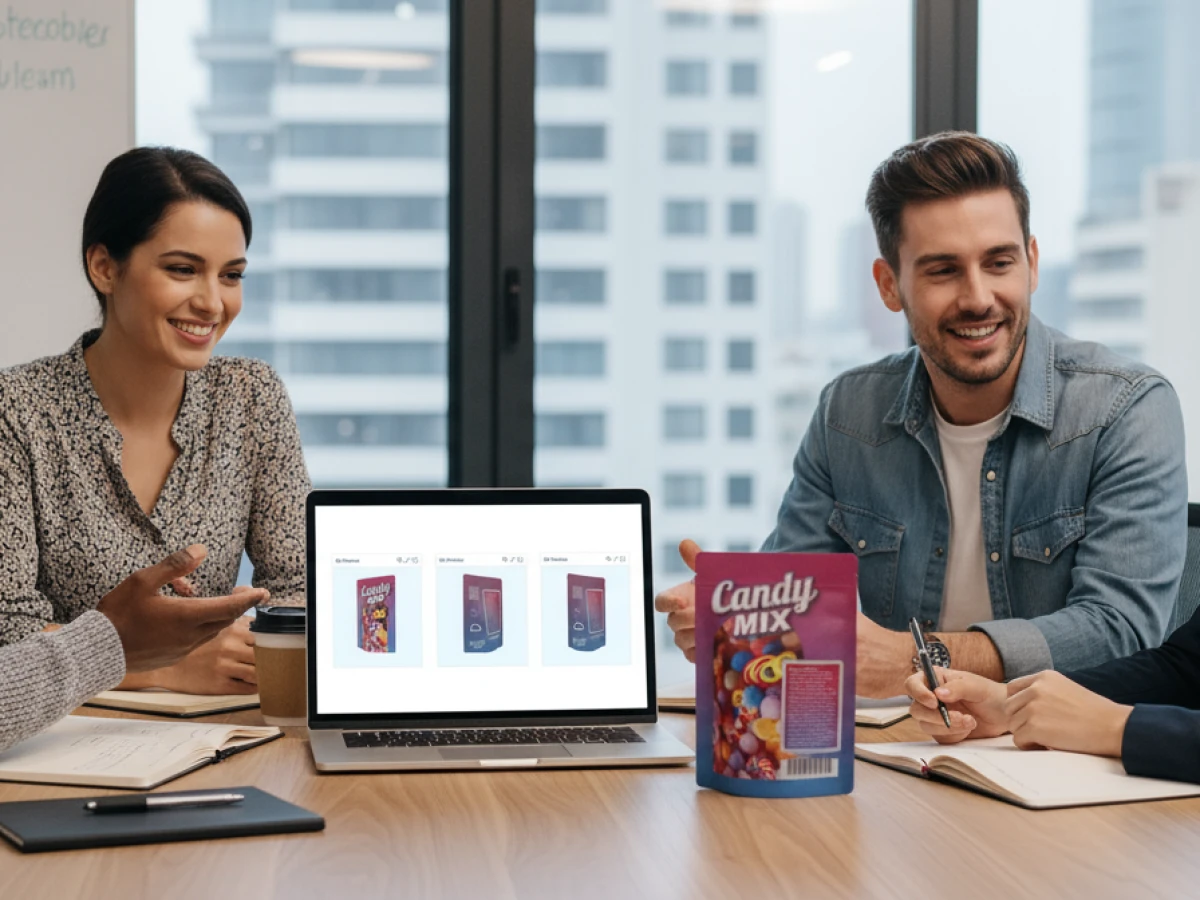
In the rapidly changing packaging landscape, packQ is the packaging software for 3D package design that brings real‑time visualization, AI‑enhanced artwork and standardised libraries into a single browser session. The platform runs in the cloud or on‑premise, letting printers, brands and e‑commerce teams configure, preview and approve custom packages without CAD expertise. Thanks to ECMA/FEFCO templates, dynamic pricing, variable data printing and headless APIs, packQ automates the journey from idea to finished box. This article explains how packQ reduces errors, accelerates approvals and turns digital packaging into a competitive advantage.
The digital packaging revolution
Packaging has long been more than a protective shell; it’s a brand ambassador and a key differentiator on crowded shelves. Today’s consumers expect personalised experiences and rapid deliveries, while brands face shrinking product lifecycles and sustainability mandates. Traditional packaging workflows struggle with these demands—manual CAD work, delayed approvals and wasteful physical prototypes slow down innovation. Mass customisation brings personalisation together with the efficiency of mass production, allowing brands to offer bespoke packaging without skyrocketing costs. In practice, standardised templates remain modular, while individual elements such as names, numbers or images vary. This strategy is finally becoming feasible in packaging thanks to digital printing, well‑designed workflows and intelligent software like packQ.
packQ, developed by CloudLab Solutions, sits at the heart of this revolution. It is a pure Web‑to‑Pack platform that runs entirely in the browser. Users configure, visualise and approve packaging in three dimensions without installing a single plug‑in. By combining parametric CAD logic, real‑time 3D rendering and automated prepress checks, packQ replaces days of emails and offline CAD work with one continuous online experience. The result is shorter lead times, reduced errors and the agility needed for modern packaging.
Meet packQ – CloudLab’s premium Web‑to‑Pack platform
CloudLab Solutions is a German technology company known for connecting creative freedom with production intelligence. The company’s printQ platform pioneered web‑to‑print workflows, and its 3D packaging design module—part of printQ—earned a coveted InterTech™ Technology Award in 2018. The judges praised the solution for enabling clients to design a box in minutes, dynamically visualising their work and automatically creating production files. Building on this heritage, CloudLab developed packQ, a dedicated packaging platform that brings deeper 3D functionality, larger template libraries and AI‑driven automation.
Unlike generic web‑to‑print systems, packQ is focused solely on packaging. The platform integrates the complete ECMA and FEFCO libraries, supports POS displays and flexible packaging, and offers browser‑based CAD‑level precision. CloudLab’s mix of German engineering and creative understanding has earned international recognition—including the InterTech Technology Award for innovation in print software.
Scalable cloud infrastructure with on‑premise flexibility
packQ is built on a scalable, multi‑tenant cloud system that can serve thousands of concurrent users without bottlenecks. Companies can run it as a hosted SaaS service or deploy it on their own servers, depending on compliance requirements. Multi‑tenant hosting allows printers to manage different customers and brands in isolated environments—secure, scalable and always up‑to‑date. Small teams benefit from managed updates and ready‑made templates, while enterprises can opt for private hosting to meet data‑sovereignty or GMP requirements. Regardless of the deployment model, encrypted communication, role‑based access and version control protect creative and technical data.
Real‑time 3D packaging designer
At the core of packQ lies its browser‑based 3D Packaging Designer. The tool combines structure, artwork and pricing in a single environment so users can conceive, view and approve packaging without CAD expertise. Every change—be it dimensions, graphics or finishes—appears instantly on a photorealistic 3D model. Users can rotate and zoom the model, inspect folds and flaps, and preview light reflections and material textures, whether they’re working on a folding carton, a corrugated box or a POS display. This immediate visual feedback means that what clients see on‑screen is exactly what will be produced.
Parametric geometry and dimensionally variable design
packQ’s designer is powered by a parametric engine that represents each packaging structure mathematically. Changing the width, height or depth automatically recalculates cuts, folds and glue flaps. Even complex constructions like tuck‑end boxes or crash‑lock bottoms are reconfigured in seconds, turning traditional CAD tasks into one‑click operations. The same logic underpins packQ’s dimensionally variable packaging design: templates automatically adjust when length, width or height change. Parametric design saves time, reduces errors and ensures uniform proportions across variants. For non‑experts, the browser interface hides complexity while still delivering CAD‑level precision.
ECMA & FEFCO standards: libraries that guarantee production safety
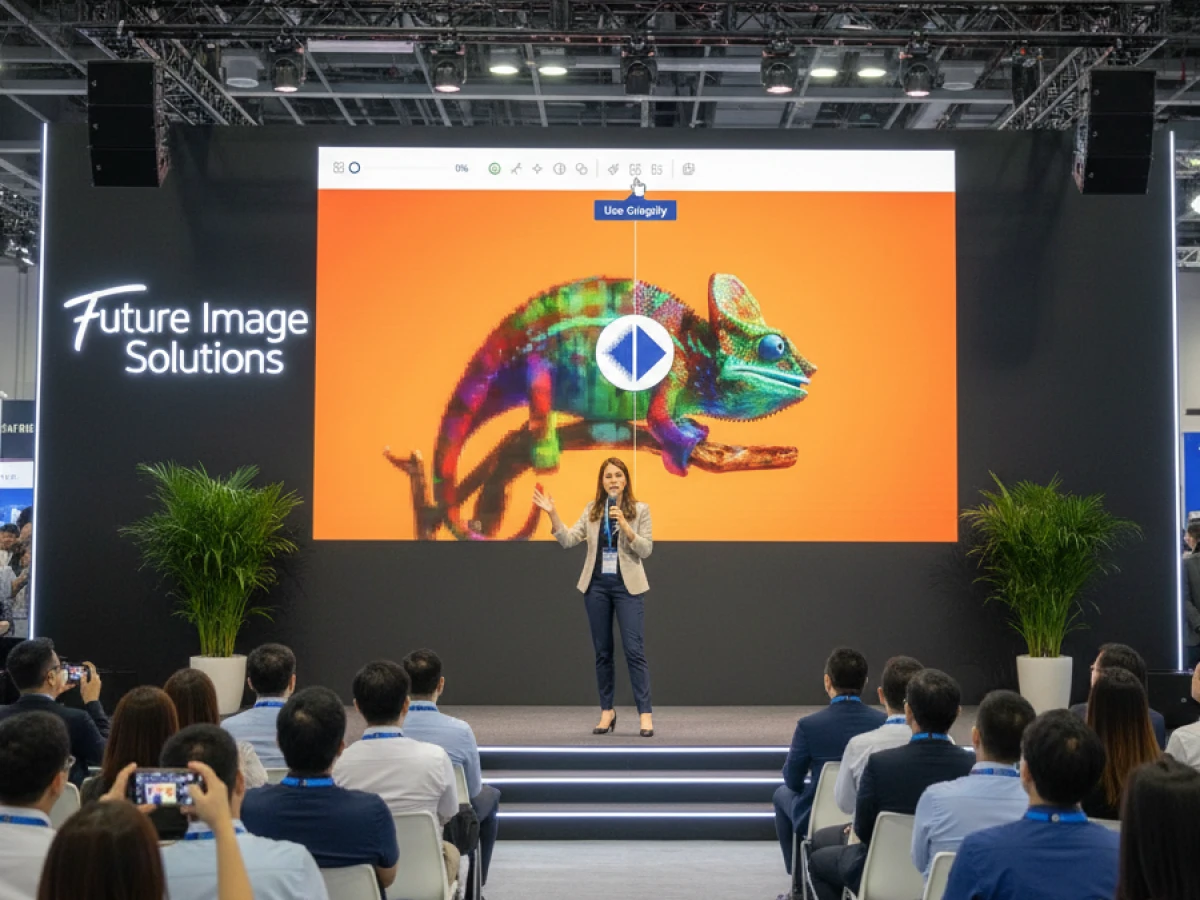
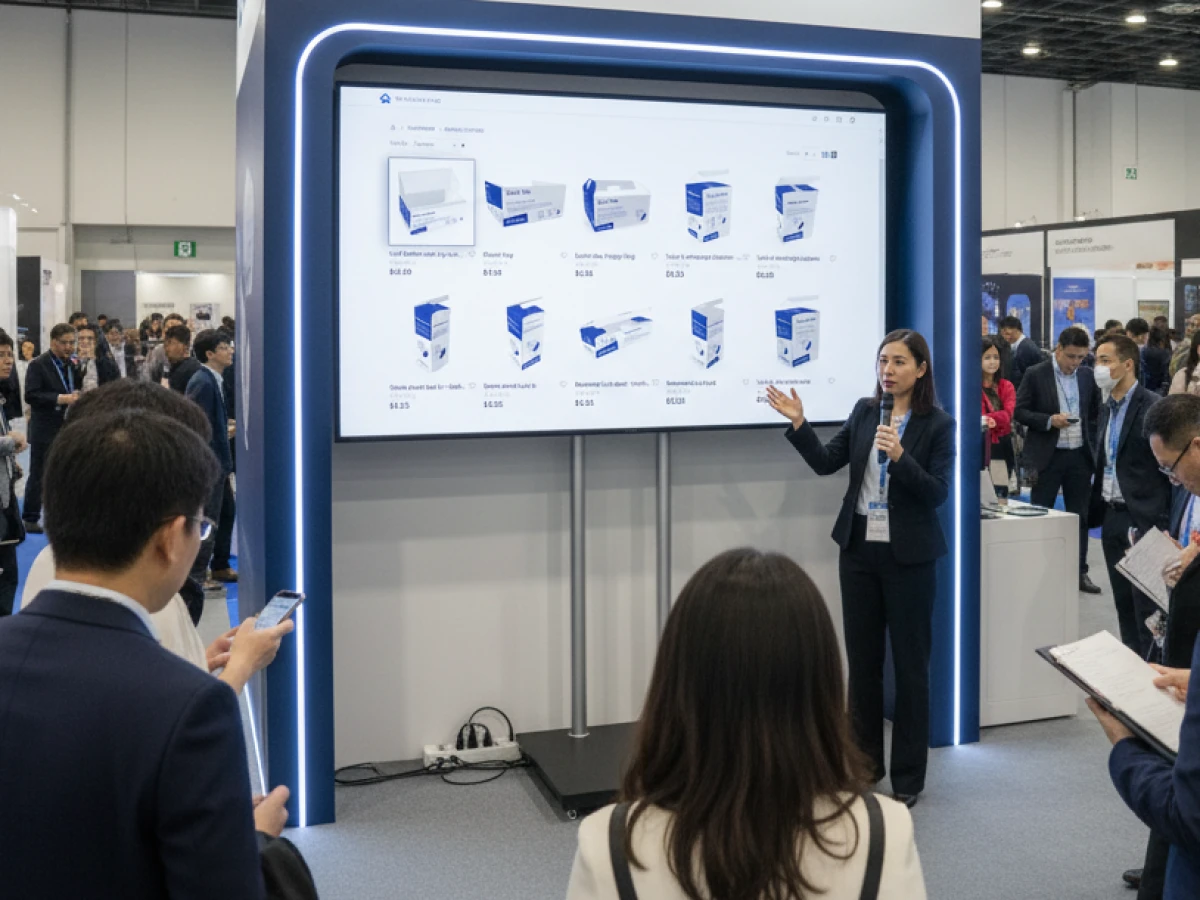
Standardisation is the backbone of scalable packaging. packQ integrates a comprehensive library of industry codes: over 120 ECMA folding‑carton styles, more than 290 FEFCO corrugated models and around 50 POS display templates. Each template is parametric and fully editable; selecting a standard (for example FEFCO 0201) allows users to enter custom dimensions, and packQ generates the correct geometry instantly. Embedding ECMA and FEFCO codes directly into the platform reduces structural error rates from 8–10 % to below 1 % and cuts design‑to‑print time from days to minutes. Standards also act as a universal language—designers, engineers and converters work from the same codes, ensuring that glue tabs, fold lines and slot positions are always correct.
Material simulation and photorealistic rendering
packQ’s rendering engine uses WebGL and GPU acceleration to simulate materials, shadows and reflections directly in the browser. Users can apply gloss or matte finishes, metallic foils or varnishes and see how light interacts with each option. This realism replaces costly physical prototypes and accelerates approvals. Marketing teams can confidently approve a design because the online preview matches the printed result.
Synchronized 2D/3D artwork editing
Designing packaging involves more than folding lines. packQ offers an integrated 2D canvas that is synchronized with the 3D model. Users drag and drop logos, place barcodes, add text and import images directly into each panel; every edit updates the 3D preview in real time. Advanced functions include vectorization of raster images, AI‑based background removal, resolution checks and color warnings. This dual‑canvas approach means artwork and structure stay perfectly aligned and production‑safe from the start.
Liquid Layouts: AI‑driven responsive design
Changing a package’s dimensions often breaks the design—logos drift, text overlaps and margins vanish. To solve this, packQ introduces Liquid Layouts, an AI‑powered system that transfers responsive design principles from web design to packaging. Designers create a master layout with placeholders for logos, text and finishing areas and define how these elements should behave when sizes change. The AI, trained on design principles such as color contrast, proportional grids and content hierarchy, recalculates positions and sizes when dimensions are modified. Users immediately see the impact in the 3D preview. Liquid Layouts let non‑designers experiment with different sizes while maintaining brand consistency.

AI Designer Suite – intelligence in the browser
Creativity and precision often clash in packaging; low‑resolution logos, busy backgrounds or incorrect color profiles can derail a production run. CloudLab’s AI Designer Suite embeds artificial intelligence directly into packQ to automate image processing and layout corrections. The suite automatically vectorizes raster images, turning blurry bitmaps into crisp, scalable vector paths. It then uses Crispify AI to upscale photographs up to four times their original resolution, reconstructing detail through a deep neural network so that every image prints flawlessly at 300 dpi.
Another tool, Background Removal AI, isolates subjects from their backgrounds in seconds—even with complex hairlines or transparent materials. Designers can place isolated images on any panel and combine multiple cut‑outs without manual masking. Smart masking proposes finishing zones for foil, varnish or embossing by analyzing contrast and highlights.
Beyond aesthetics, the AI Designer Suite ensures technical correctness. It detects RGB assets that need conversion, missing or incorrect spot‑color names, insufficient contrast and other issues. Combined with packQ’s dynamic preflight, these tools guarantee that the final PDF is print‑ready. The AI suite reduces prepress effort by up to 80 %, enabling designers and agencies to focus on creativity while automation handles technical details.
Variable data printing – personalized packaging at scale
Personalisation has become an expectation in modern commerce. packQ’s Variable Data Printing (VDP) module transforms static templates into dynamic campaigns by connecting design layouts, data sources and print automation. Instead of producing thousands of identical boxes, packQ can produce thousands of unique versions—each tailored with names, serial numbers, QR codes or messages. The system merges a static template with data from CSV files, CRM systems or APIs; text placeholders are replaced, images inserted and layouts adjusted automatically.
The output is generated as PDF/VT, the ISO standard for variable data printing; this stream packs all versions into one file for high‑speed rendering and fast RIP times. packQ also supports individual PDFs for proofs or small runs. Because the VDP engine is integrated with the 3D designer, users preview personalization in 3D before printing: names and codes appear on the box in real time. Once approved, production files flow directly to the press with no manual intervention.
packQ’s VDP workflow scales from one‑off campaigns to enterprise runs. Data import triggers job creation; dynamic preflight validates fonts, colors and images; 3D visualization confirms design; pricing is calculated dynamically; files are grouped intelligently for print; and a report archives all variables and assets. The process is touchless, delivering millions of unique outputs without introducing errors.
Business benefits of VDP
VDP opens new revenue streams for printers and converters: personalized packaging can be sold as a premium service, micro‑runs are handled with the same workflow as mass production and equipment utilisation improves. Brand owners gain deeper customer engagement, data‑driven marketing and faster time‑to‑market. E‑commerce platforms benefit from seamless integration—orders from online shops feed directly into VDP workflows, generating one‑off or large personalized packages effortlessly.
Data protection is built in. packQ’s VDP architecture is GDPR‑ready and encrypts data during upload and processing, automatically deleting records after job completion. For regulated industries such as pharmaceuticals, unique serial numbers and QR codes can be generated and tracked through ERP integration.
Dynamic preflight – quality assurance in real time
In traditional print workflows, preflight occurs after files are uploaded and jobs are created. This static approach often catches errors late, leading to delays, reprints and customer dissatisfaction. packQ introduces a dynamic preflight check that analyzes print data in real time—even before an order is submitted. As soon as users upload artwork or change dimensions, packQ verifies resolution, color mode, ICC profiles, fonts, bleed and transparency. Feedback appears instantly so that designers can fix issues before the file reaches production.
Dynamic preflight reduces time‑to‑market and error rates. Customers no longer wait for separate prepress feedback; corrections happen during configuration. Automated checks ensure high‑quality output, preventing misprints and saving material. The system also uses industry‑proven technologies such as Enfocus PitStop and callas pdfToolbox for reliable validation.
Dynamic pricing and instant quoting
packQ’s dynamic pricing engine recalculates costs whenever dimensions, materials or quantities change. This transparency empowers customers to make informed decisions and eliminates manual quotation processes. Online shoppers see live prices, giving them confidence to complete orders, while printers reduce administrative overhead. Instant quotes also support 24/7 e‑commerce workflows: customers configure, design, approve and purchase packaging in one seamless session.
Headless architecture and seamless integration
Modern packaging businesses rely on numerous systems—webshops, ERP, MIS, design tools and production equipment. packQ’s headless, API‑first architecture connects these systems through open interfaces. It supports both REST and SOAP protocols and a range of data formats including XML, JDF/XJDF, CSV and JSON. This flexibility allows companies to integrate packQ into existing software landscapes and automate workflows end‑to‑end.
E‑commerce integrations and shop connectors
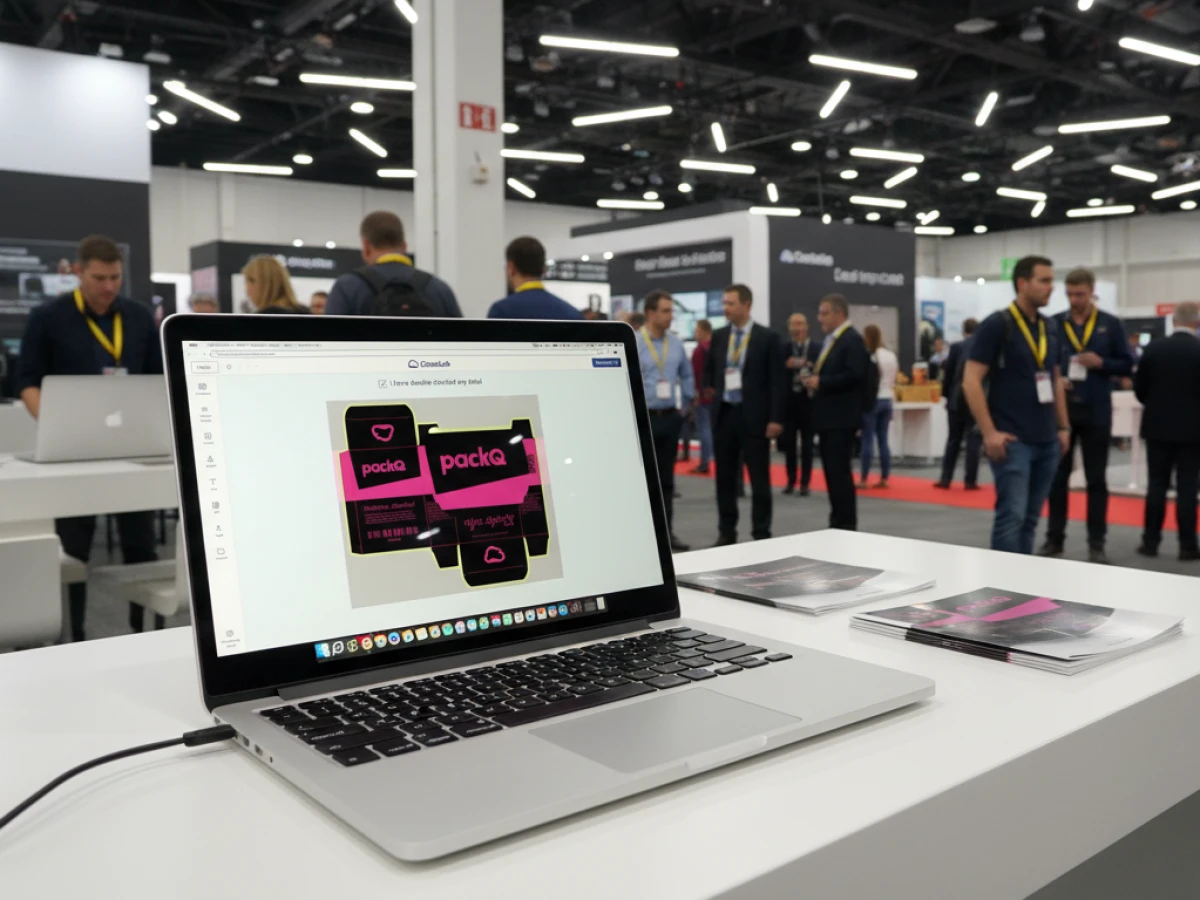
packQ links webshops, ERP and production systems using open APIs and a built‑in shop connector. The connector plugs into platforms like Shopify, WooCommerce and Magento without programming knowledge. When a customer configures a product online, packQ synchronises user data, transfers all configuration parameters—size, material, finishing, price—and sends status updates back to the shop. This “plug & print” approach eliminates double entry, accelerates order processing and provides a consistent customer experience.
Open interfaces for developers
Different types of APIs allow developers to tailor integrations. System APIs hide the complexity of large systems such as ERP or MIS; process APIs manage data between systems; and experience APIs deliver data to different front ends. By decoupling the front end from back‑end logic, packQ enables headless commerce where updates can be made independently and performance scales effortlessly. Companies can secure transaction‑critical data via SOAP while using REST for high‑volume queries.
Hotfolder integration and automated production
packQ doesn’t stop at order creation. A built‑in hotfolder integration automatically generates production files in the correct format and routes them to the appropriate machine. Once a customer confirms an order, packQ creates print‑ready PDFs and accompanying files like JDF or XML. The system assigns files to specific hotfolders based on process rules (e.g., standard print, foil stamping, gang runs) and transfers them securely. Status monitoring and feedback ensure transparency: every order receives a unique job ID and the system logs when it was processed. This automated hand‑off reduces manual steps, minimizes errors and accelerates production.
Use cases – targeted value for every stakeholder
packQ serves multiple audiences across the packaging value chain. Its modular approach and API‑first architecture allow it to adapt to B2B and B2C scenarios, open shops and closed shops. The following examples illustrate how different stakeholders benefit from the platform.
Printers & packaging manufacturers
- Faster job preparation: packQ’s parametric templates and integrated preflight cut job preparation times by up to 70 % and increase throughput by 30 %. Design, quoting and prepress happen concurrently.
- Higher profitability on small runs: automation reduces manual intervention, making micro‑runs and personalised campaigns economically viable.
- Right‑first‑time production: real‑time 3D previews, preflight checks and ECMA/FEFCO standards reduce structural errors from 8–10 % to below 1 %.
- Scalability: multi‑tenant architecture lets printers host multiple clients on a single instance while keeping data separate.
E‑commerce platforms & marketplaces
- Seamless integration: shop connectors transfer configurations and prices to packQ automatically and send status updates back to the store.
- Instant quoting: dynamic pricing gives customers accurate prices during configuration.
- Personalisation at scale: VDP makes it possible to offer customized packaging for each order without manual setup.
- Headless architecture: open APIs allow marketplaces to embed packQ into existing customer journeys and scale across channels.
Brand owners & industry (marketing, pharma, procurement)
- Mass customisation: packQ enables mass‑personalized campaigns by combining modular templates with individual data.
- Faster approvals: photorealistic 3D previews and liquid layouts let marketers evaluate designs instantly and reduce approval cycles from days to hours.
- Regulatory compliance: VDP supports serialization and QR codes for traceability, particularly important in pharmaceuticals.
- Brand consistency: Liquid Layouts and AI‑driven adjustments preserve logos, colors and typography across sizes and variants.
Technology teams (IT, prepress, production)
- API‑first integration: REST and SOAP APIs allow packQ to connect seamlessly with ERP, MIS, CRM and production equipment.
- On‑premise or cloud deployment: teams can choose hosted SaaS or private hosting to meet security and compliance requirements.
- Automation and monitoring: hotfolder integration, dynamic preflight and automated file routing reduce manual touchpoints and provide end‑to‑end transparency.
- Data security: GDPR‑ready architecture, encrypted communication and automatic data deletion protect sensitive customer and production data.
Business impact and sustainability
packQ is not just a design tool; it is an engine for business transformation. By merging design, pricing, personalization and production into a single workflow, the platform delivers measurable benefits.
- Faster time‑to‑market: Real‑time previews and dynamic preflight compress approval cycles and enable same‑day proofing. Packaging concepts that once took a week now materialize in a single online session.
- Cost reduction: Automation eliminates manual CAD design, reduces prepress labour and saves material by detecting errors before printing. Parametric templates and Liquid Layouts reduce the need for multiple CAD drawings.
- Error elimination: By visualizing folds, panels and artwork alignment in 3D and by running dynamic preflight checks, packQ prevents misprints and structural mistakes.
- Scalability: Because packQ’s architecture is cloud‑based and multi‑tenant, hundreds of users can work simultaneously without affecting performance. Dynamic pricing and VDP handle everything from one‑off orders to mass campaigns.
- Improved customer experience: Customers feel empowered by intuitive design tools, live pricing and instant feedback; brands can experiment creatively and see results instantly.
- Sustainability: Virtual prototypes and accurate preflight reduce the number of physical samples and reprints, saving material and energy. Variable data printing allows brands to print only what’s needed, reducing inventory and waste.
Cloud vs on‑premise – choosing your deployment model
Many businesses wrestle with the decision between cloud and on‑premise software. packQ offers both, recognizing that each comes with distinct advantages. The SaaS version delivers instant access, automatic updates and effortless scalability; it’s ideal for small to mid‑sized printers and start‑ups that want to avoid maintaining infrastructure. Multi‑tenant hosting isolates customer data and allows providers to manage multiple brands on one instance.
For enterprises with strict compliance, data‑sovereignty or integration requirements, packQ can be installed on‑premise. The software runs on the same scalable engine and supports REST and SOAP APIs for integration with internal ERP or MIS systems. Both deployments provide the same feature set: real‑time 3D design, AI tools, VDP, dynamic preflight, pricing and automation. The choice depends on IT policy, regulatory constraints and desired level of control.
Whether deployed in the cloud or on‑premise, packQ supports open‑shop and closed‑shop scenarios. Printers can offer public configurators for consumers (B2C) or restrict access to corporate portals (B2B). The system handles variable permissions, catalogues and branding, making it versatile for any sales model.
packQ as the future of packaging software for 3D package design
The packaging industry is entering a new era defined by personalisation, speed and sustainability. packQ embodies this shift by providing a packaging software for 3D package design that merges structural precision, creative freedom and industrial automation. The platform delivers real‑time 3D previews, parametric ECMA and FEFCO templates, AI‑enhanced artwork, dynamic pricing, variable data printing, automated preflight and headless APIs. Businesses can deploy it in the cloud or on‑premise, integrate it with e‑commerce and ERP systems, and support both open and closed shop scenarios.
By uniting design and production, packQ reduces errors, accelerates approvals and unlocks mass customisation. Its multi‑tenant architecture scales from small printers to global converters, while AI tools empower non‑experts to create professional packaging. Standardised libraries and liquid layouts ensure production safety and consistent branding. For printers, brands, e‑commerce platforms and technology teams, packQ is more than a tool—it’s a strategic enabler for the digital packaging age. Those who adopt it today will shape the way we design, buy and produce packaging tomorrow.
An overview of all features of packQ developed by CloudLab
- 3D Packaging Designer – Design folding cartons, cartons and other packaging directly in the browser and instantly see how your product will look thanks to the real‑time 3D preview. Dimensions can be adjusted and prices are recalculated automatically.
- ECMA and FEFCO Library – Gives access to standardised templates for folding cartons, corrugated boxes and POS displays. The parametric models are based on the internationally recognised ECMA and FEFCO codes and can be customised.
- Vectorisation & Finishing – Pixel images are converted into high‑resolution vector graphics in just a few clicks. Finishing options such as foil stamping, spot UV varnish or embossing are also available to enhance the product.
- Variable Data Printing (PDF/VT) – Enables the import of personalised data or images via CSV/PDF‑VT upload. Data can also be added manually, allowing both one‑off pieces and large series to be produced efficiently.
- Template Gallery – A large selection of ready‑made templates accelerates the design process. The AI‑based “Liquid Layouts” automatically adjust designs to different formats while preserving the original design concept.
- Folding Boxes – Configure folding cartons with various closure types, viewing windows and embellishments. An interactive 3D preview provides complete control over material, format and features.
- Corrugated Board – Design corrugated packaging including special formats. The software supports different materials and special colours, automatically checks fold and cutting lines and shows the folding sequence in an animated view.
- POS Displays – Create individual product displays with configurable shelves and trays. Logos, text and QR codes can be placed precisely; a 3D preview shows the result from every angle.
- Flexible Packaging – For stand‑up pouches, mailing bags or film packaging, the print area and bleed can be defined in the backend. PackQ automatically trims artwork to size and marks relevant production dimensions directly in the editor.
- Labels & Stickers – Offers a wide range of label shapes and sizes. Materials, coatings and finishes can be freely selected; a preview shows the label directly on the packaging. Both data imports and manual entries are supported.
- AI Designer Suite – A set of image‑editing tools: raster images can be vectorised, resolution enhanced four‑fold with “Crispify”, and backgrounds removed automatically. Various filters are also available.
- Dynamic Preflight Check – Print data is checked in real time for resolution, colour mode and other criteria during configuration. This allows errors to be corrected before the job goes into production.
- Production Workflow – Once an order is placed, all relevant print and production data are generated automatically, including JDF/XML files. Hot‑folder integration ensures seamless transfer to printing and die‑cutting equipment.
- Product Configuration & Calculation – Enables detailed selection of materials, colours and finishes with inputs checked for plausibility. Dynamic pricing calculates realistic production costs based on industry‑standard parameters.
- eCommerce Integrations & APIs – Thanks to the “packQ Shop Connector”, the software can be connected to common shop systems without programming knowledge. Through REST/SOAP APIs and formats such as JDF, XJDF or JSON, packQ also integrates into ERP and production systems.