
packQ & the Future of Digital Flexible Packaging

packQ is CloudLab’s premium web‑to‑pack platform for digital flexible packaging, enabling mass personalization and defect‑free production. A browser‑based 3D designer with ECMA/FEFCO models lets users build cartons, corrugated boxes and displays in real time. AI tools convert pixel art to vectors, upscale images and remove backgrounds. Support for PDF/VT and CSV uploads delivers variable data printing while a dynamic preflight checks fonts, resolution and colour profiles before an order is placed, ensuring error‑free output.
Personalization Meets Digital Flexible Packaging
As consumer expectations shift toward digital flexible packaging and custom experiences, the packaging supply chain must evolve. Digital printing and flexible substrates allow brands to create short runs and targeted promotions without the high tooling costs of traditional flexographic presses. Market research shows that the global digital printing packaging market was valued at USD 33.28 billion in 2024 and is projected to reach USD 56.62 billion by 2032, representing a 6.67 % CAGR. North America already holds over 31 % of this market, driven by e‑commerce, personalisation and sustainability initiatives. At the same time, variable data campaigns like Coca‑Cola’s “Share a Coke” demonstrate that personalization at scale can captivate consumers; the company produced nearly 800 million personalised labels with tens of thousands of different names. To meet these new demands, packaging platforms need to combine online configurators, data‑driven printing and rigorous quality control. packQ aims to fill this gap.
Why Web‑to‑Pack Is Different from Web‑to‑Print
Web‑to‑print solutions focus on brochures, business cards and simple marketing collateral, whereas web‑to‑pack solutions must handle structural packaging designs, material properties and finishing. Packaging design requires a deep understanding of ECMA and FEFCO standards, parametric models and cutting rules. packQ is designed specifically for packaging manufacturers; it is not a generic web‑to‑print system but a dedicated platform for folding cartons, corrugated board, POS displays and flexible film. This focus allows the software to integrate CAD‑accurate die lines, dynamic pricing and production workflows tailored to packaging. Choosing the right web‑to‑pack tool is therefore essential for printers and converters seeking to enter the growing digital flexible packaging segment.
3D Packaging Designer: Bringing Concepts to Life
Real‑time 3D Design in the Browser
packQ’s browser‑based 3D packaging designer is central to its value proposition. The tool allows users to create packaging structures—folding boxes, corrugated containers or POS displays—and visualise them instantly in three dimensions. According to CloudLab, the 3D designer gives clients a live preview so that the final product matches the approved design. Customers can drag and drop images, adjust panel sizes and reposition graphics; fold lines remain anchored, even during complex changes. This real‑time feedback reduces the risk of misinterpretation between designers and production teams.
Automatic Price Calculation
Beyond design, packQ automatically updates pricing when dimensions or materials change. The platform’s dynamic calculation uses industry constants such as set‑up and run costs to determine accurate prepress, print and finishing prices. Suppliers no longer need lengthy price lists—prices adjust instantly based on the customer’s configuration. This feature speeds quoting and removes manual errors.
Synchronised 2D and 3D Views
In packQ, 2D dielines and 3D previews are synchronised. When a user edits artwork on the 2D layout, the 3D model updates in real time. This synchronous relationship ensures that structural changes (e.g., altering flap sizes or adding windows) are immediately visible in the 3D view, enabling designers to catch design conflicts before ordering. The technology’s user experience impressed judges at the Printing Industries of America, earning CloudLab an InterTech™ Technology Award for its 3D packaging design extension; judges noted they could design a box “in a matter of minutes”.
ECMA & FEFCO Library: Parametric Models for Every Need
Extensive Standard Libraries
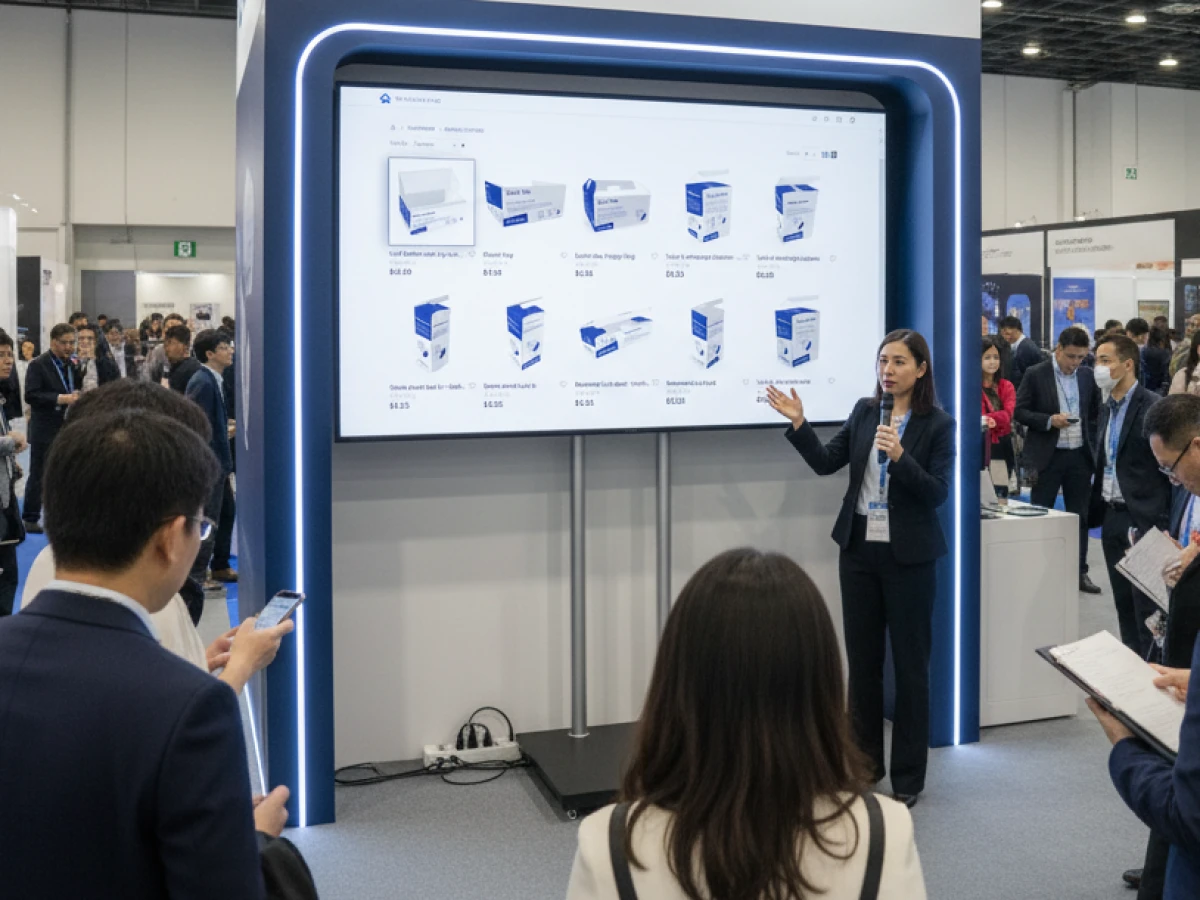
An efficient packaging workflow starts with reliable structural standards. packQ integrates a large library of ECMA codes (approximately 120) and FEFCO codes (around 290) as well as about 50 POS display models. The software offers parameterised models with customisable dimensions for folding cartons, corrugated shipping boxes and retail displays. Because these models are based on industry standards, production teams can rely on pre‑defined crease lines, flaps and glue areas that meet best practices.
CAD‑based Customisation
Each model is built on CAD technology. Designers can adjust width, height and depth with dimensional accuracy while watching a 3D animation of the structure. The library also covers not only simple folding cartons but special structures such as trays or tray displays; FEFCO codes allow designers to create shipping cartons or floor displays within the same interface. By building on ECMA and FEFCO codes, packQ ensures that packaging designs comply with industry norms and reduces the need for manual CAD work.
AI Designer Suite: Enhancing Graphics with Artificial Intelligence
Vectorization Without Designers
Many customers lack vector artwork for logos or illustrations. packQ’s AI Designer Suite solves this with an integrated vectorisation tool. Users can convert raster images into high‑quality vector graphics by selecting areas to vectorise, defining colour counts and choosing smoothing parameters. The converted vectors can be used for high‑resolution printing or as the foundation for further embellishment.
Effects, Filters and Crispify Upscaling
The suite includes a range of image filters—grayscale, sepia, vintage pinhole and kodachrome—and allows adjustments to contrast and brightness. The Crispify feature goes a step further by increasing image resolution fourfold, generating more pixels for sharper visuals. This capability transforms low‑resolution artwork into print‑ready graphics, preserving detail in flexible films and cartons.
Background Removal and Quality Control
Designers often need to isolate objects from backgrounds. packQ offers one‑click background removal, enabling users to create transparent backgrounds for product mockups or labels. Removing backgrounds within the browser eliminates the need for external editing software and speeds up the packaging workflow. When combined with vectorisation and upscaling, the AI Designer Suite empowers non‑experts to produce professional‑quality images directly within the web interface.
Variable Data Printing (VDP): Mass Customisation via PDF/VT
Personalisation at Scale
The real promise of digital flexible packaging lies in personalised campaigns. Variable data printing allows brands to change names, images or colours on each printed piece without stopping the press. VDP has been used in famous campaigns such as Coca‑Cola’s personalised bottles, where the company produced nearly 800 million customised labels featuring more than 10,000 names across multiple alphabets. Another example is Diet Coke’s “It’s Mine” campaign, where every bottle had a unique design. These examples prove that personalisation can be delivered at scale when digital print and data merge.
PDF/VT and CSV Uploads in packQ
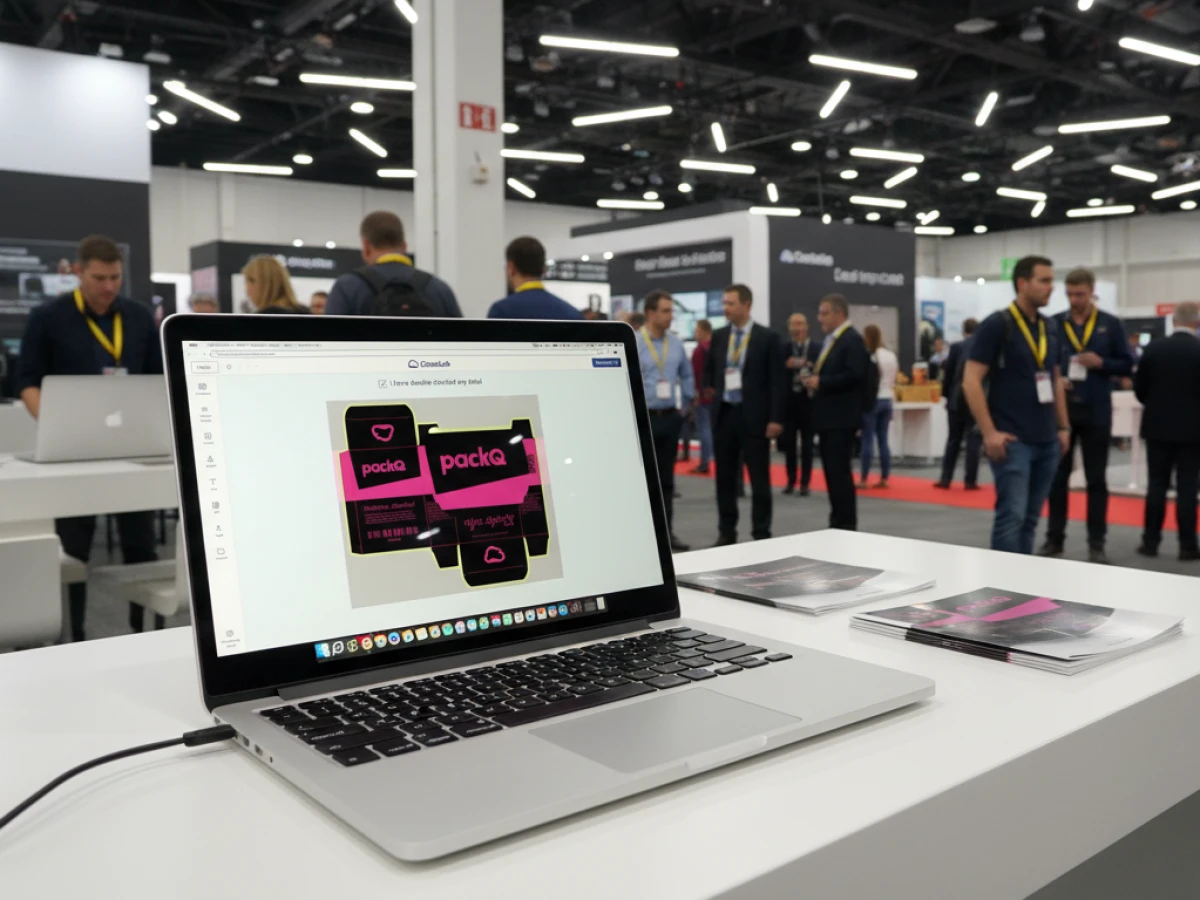
packQ supports PDF/VT, an ISO‑standardised format optimised for variable data printing. Customers can upload multi‑page PDF/VT files or Excel/CSV datasets to personalise packaging, labels or films. The system allows users to manually add or edit records within the data set for precise control over campaigns. After the data upload, packQ provides tools to preview each personalised record, ensuring that text and graphics align correctly. This combination of automation and manual oversight helps brands run targeted marketing without sacrificing quality.
Efficiency of VDP
Variable data technology eliminates the need to change printing plates between runs. Data, stored in spreadsheets or other files, instructs the press when to change elements, allowing multiple SKUs or personalised pieces to be printed in a single pass. This process is faster and more cost‑effective than traditional methods. It enables companies to print serial numbers, QR codes or region‑specific messages without manual interventions. For packaging manufacturers, the ability to produce “batch of one” at scale opens new revenue streams and encourages creative marketing.
Dynamic Preflight Check: Quality Assurance at the Source
Real‑Time Data Verification
Traditional preflights occur after an order is placed, leading to delays and costly reprints if errors are discovered. packQ introduces a dynamic preflight that analyses print data in real time during configuration. The system checks image resolution, colour modes, fonts, bleed and transparency before the order is submitted. If images fall below 300 DPI or remain in the RGB colour space, packQ warns the user and converts them to CMYK. It also ensures fonts are embedded or converted to vectors and verifies that bleed and page formats match the product dimensions.
Integration with Preflight Engines
The dynamic preflight uses industry‑leading engines—Enfocus PitStop and callas pdfToolbox—to perform deep PDF analyses. These engines detect missing barcodes, check PDF/VT compliance and analyse multi‑page documents. The system can automatically correct common issues by converting RGB to CMYK, adding bleed or embedding fonts. For unresolved errors, packQ highlights problem areas within the 3D preview and offers specific recommendations.
Custom Profiles and Standards
Different substrates and formats require different checks. packQ provides preconfigured profiles for folding cartons, corrugated board, POS displays and flexible films, all aligned with ECMA and FEFCO standards. Companies can customise these profiles to enforce house rules—such as minimum line widths or special ink coverage for food packaging. The dynamic preflight also checks compliance with regulatory symbols and barcodes, a critical requirement for pharmaceutical and food applications. This ensures that packaging is not only attractive but also legally compliant.
Benefits for Stakeholders
Early error detection reduces waste, shortens time‑to‑market and improves customer satisfaction. For printers, dynamic preflight leads to higher capacity utilisation and fewer reprints. For e‑commerce platforms, customers receive immediate feedback and can adjust files before checkout. Brand owners gain confidence that corporate colours and fonts are reproduced correctly. Technology teams benefit from API‑first architecture, modular profiles and scalable server performance. In short, dynamic preflight elevates quality assurance from a post‑production task to an integrated part of the online ordering experience.
Product Configuration and Dynamic Pricing
Plausibility Checks
packQ includes a comprehensive configuration tool that allows users to specify materials, printing processes and finishing options. To prevent unrealistic combinations (e.g., incompatible materials or finishing), the system performs a plausibility check on all print specifications, flagging errors directly within the configuration interface. This check ensures that even complex projects can be configured without expert guidance.
Dynamic Price Calculation
Pricing in packaging is influenced by many variables—material costs, sheet sizes, setup fees and run lengths. packQ calculates prices dynamically based on industry constants, returning accurate prepress, printing and post‑press costs. This dynamic pricing allows suppliers to offer instant quotes for bespoke packaging without manually updating price lists. When combined with real‑time 3D design, customers can see how design changes affect the final cost.
Automated Production Workflow
Generating Production Data
After a job is released, packQ automatically creates print and packaging files and integrates them into the production workflow. The platform generates JDF and XML files compliant with industry standards and transfers them to the press or cutting machine. It also produces layered production files with separate lines for cuts, folds and other packaging elements. This automation reduces manual work and ensures that dies and job tickets are generated correctly, resulting in fewer errors and faster turnaround times.
Hotfolder Integration and Flexibility
packQ’s hotfolder integration streamlines data transfer to production equipment. Once the dynamic preflight and variable data checks are complete, the system automatically places the production‑ready PDFs into a designated hotfolder. Production staff can monitor job status and intervene if necessary. This approach reduces costs, increases flexibility and keeps the entire supply chain informed.
Headless Architecture and API Integration
Flexible eCommerce Integrations
packQ is built as a headless, API‑first platform. Its Shop Connector integrates with common store systems with minimal coding. This plug‑and‑play approach allows printers or brand owners to create customer‑facing portals quickly. The headless architecture means that the frontend (e.g., a Magento or custom web shop) can call packQ’s backend services via APIs without being tied to a specific user interface.
Interfaces and Open Standards
packQ provides SOAP and REST APIs and supports data formats such as XML, JDF/XJDF, CSV and JSON. These interfaces make it possible to link packQ with print MIS, ERP systems, workflow engines or custom applications. The API‑first design ensures that integration does not require heavy custom development and allows packQ to serve as a hub within an Industry 4.0 ecosystem. Technology teams appreciate that preflight services can run as standalone microservices and that new check parameters can be added without disrupting other modules.
Use Cases and Benefits by Target Group
Packaging Manufacturers and Printers
- Improved efficiency: Automated data creation and dynamic preflight reduce manual intervention, enabling more jobs to be processed in parallel.
- Reduced waste: Early detection of errors minimises misprints, saving materials and reducing production costs.
- Accurate pricing: Dynamic calculation models reflect real production costs, preventing under‑quoting.
E‑Commerce Platforms & Marketplaces
- Enhanced user experience: Real‑time 3D previews and dynamic preflight provide immediate feedback, so customers can correct issues before checkout.
- Scalable order processing: Automatic checks ensure that large volumes of data are processed without performance degradation.
- Customisable storefronts: Headless APIs allow marketplaces to embed packQ capabilities into their own interfaces.
Brand Owners & Industrial Teams
- Mass customisation: PDF/VT support and CSV uploads enable personalised packaging for marketing campaigns or SKU variations.
- Protection of corporate design: Preflight profiles ensure that colours, fonts and logos adhere to brand guidelines.
- Rapid prototyping: The 3D designer allows marketing teams to visualise new packaging concepts quickly, accelerating time‑to‑market.
Technology Teams (IT, Prepress & Production)
- API‑first integration: SOAP/REST interfaces and open data formats allow packQ to connect to existing systems.
- Modular architecture: Preflight rules and workflow modules can be updated independently, simplifying maintenance.
- Scalability: Server‑based design ensures stable performance even during peak loads, which is essential for high‑volume variable data jobs.
packQ’s Unique Selling Propositions
- Dedicated Web‑to‑Pack Platform: packQ is built exclusively for packaging, not as an add‑on to web‑to‑print systems. Its deep ECMA/FEFCO integration and CAD‑based 3D engine deliver precise die lines and structural models.
- Real‑Time 3D & CAD Integration: Browser‑based 3D design with synchronous 2D layouts sets packQ apart; customers can configure packaging without installing software and see accurate previews instantly.
- AI Tools Directly in Browser: The AI Designer Suite offers vectorisation, Crispify upscaling and background removal within the web interface, reducing reliance on third‑party design software.
- End‑to‑End Automation: From dynamic preflight to automatic production file generation and hotfolder integration, packQ supports a fully automated workflow.
- Headless & API‑First: open interfaces (REST/SOAP, XML/JDF/JSON) enable integration into any e‑commerce or ERP environment.
- Industry 4.0 Ready: The platform’s modular, scalable architecture and integration with MIS/ERP systems align with Industry 4.0 and Print 4.0 initiatives, positioning users for future automation and smart factory environments.
The Future of Digital Flexible Packaging and packQ
Digital transformation in packaging will accelerate as brands seek sustainable solutions, shorter lead times and deeper consumer engagement. Market forecasts suggest that the digital printing packaging sector will grow from USD 36.02 billion in 2025 to USD 56.62 billion by 2032. Inkjet technology is expected to retain the largest share due to cost advantages and customisation flexibility. AR, NFC and IoT integration will allow interactive packaging experiences, while AI will further optimise preflight checks and variable data strategies. packQ’s modular design, dynamic preflight and AI tools position it to adapt to these trends.
Synergy with Industry 4.0
Industry 4.0 initiatives emphasise interconnected machines, data analytics and real‑time process control. packQ’s headless architecture and API‑driven workflow support this vision by linking design, preflight, pricing and production in a seamless pipeline. The platform can feed production data into ERP systems, enabling predictive maintenance and real‑time cost analysis. As packaging plants adopt smart manufacturing, packQ’s ability to generate JDF/XJDF files and feed information into MIS will become increasingly valuable.
Sustainability Considerations
Sustainability is another driver of digital flexible packaging. Digital printing reduces waste by eliminating plates and enabling short runs, while dynamic preflight minimises errors that would result in scrapped material. packQ’s ability to handle variable data also supports localisation, reducing the need for over‑production and inventory. As regulations tighten around packaging materials and waste, the fine control offered by digital workflows becomes a competitive advantage.
packQ Leads the Digital Flexible Packaging Evolution
packQ embodies a new era of digital flexible packaging. By merging a browser‑based 3D packaging designer, extensive ECMA/FEFCO libraries, an AI‑powered design suite, PDF/VT variable data printing, a dynamic preflight check, dynamic pricing and API‑first architecture, CloudLab delivers a comprehensive platform for printers, packaging manufacturers, brand owners and technology teams. The combination of live 3D previews, automated error detection and seamless production integration ensures that personalised packaging can be produced efficiently and flawlessly. In a market projected to grow rapidly, packQ’s end‑to‑end automation and flexibility position it as a leading web‑to‑pack solution for anyone looking to thrive in the digital packaging landscape.
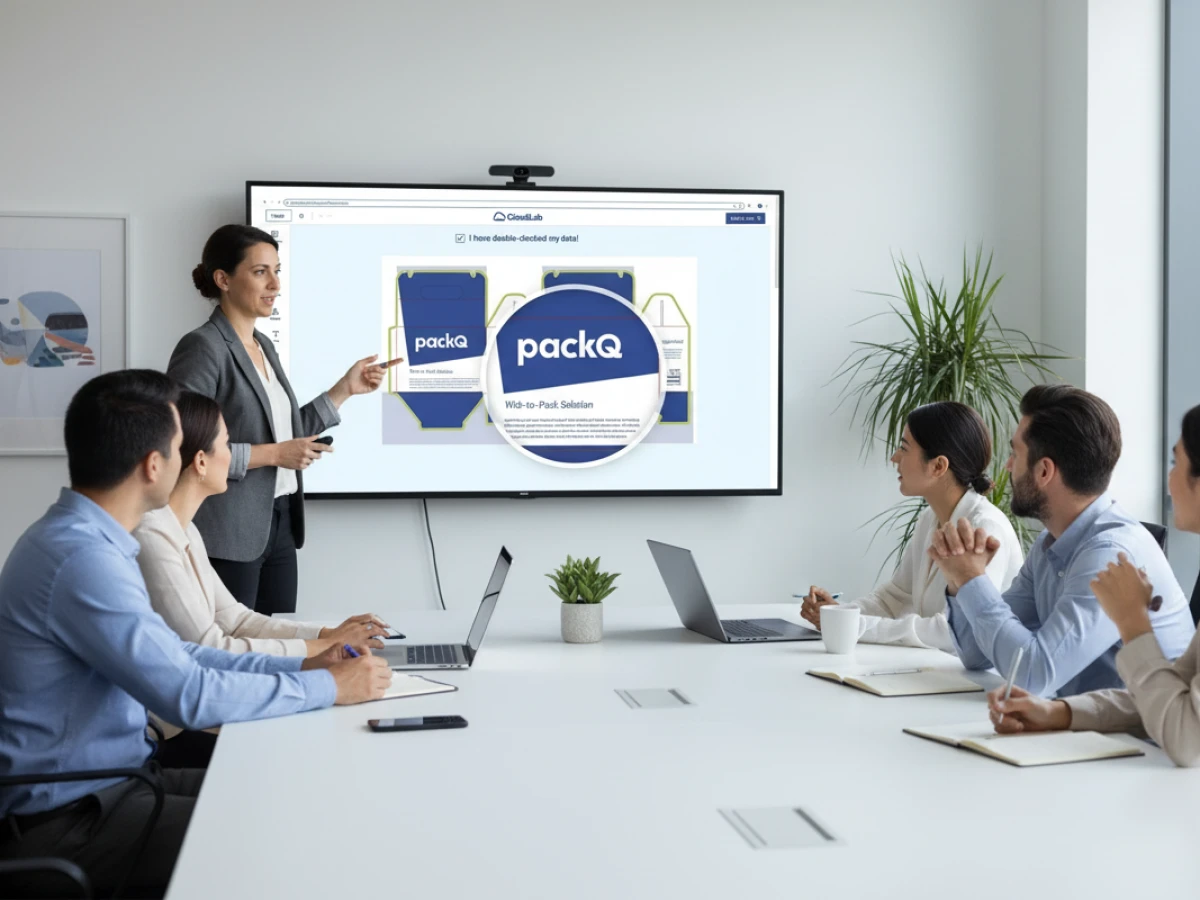
An overview of all features of packQ developed by CloudLab
- 3D Packaging Designer – Design folding cartons, cartons and other packaging directly in the browser and instantly see how your product will look thanks to the real‑time 3D preview. Dimensions can be adjusted and prices are recalculated automatically.
- ECMA and FEFCO Library – Gives access to standardised templates for folding cartons, corrugated boxes and POS displays. The parametric models are based on the internationally recognised ECMA and FEFCO codes and can be customised.
- Vectorisation & Finishing – Pixel images are converted into high‑resolution vector graphics in just a few clicks. Finishing options such as foil stamping, spot UV varnish or embossing are also available to enhance the product.
- Variable Data Printing (PDF/VT) – Enables the import of personalised data or images via CSV/PDF‑VT upload. Data can also be added manually, allowing both one‑off pieces and large series to be produced efficiently.
- Template Gallery – A large selection of ready‑made templates accelerates the design process. The AI‑based “Liquid Layouts” automatically adjust designs to different formats while preserving the original design concept.
- Folding Boxes – Configure folding cartons with various closure types, viewing windows and embellishments. An interactive 3D preview provides complete control over material, format and features.
- Corrugated Board – Design corrugated packaging including special formats. The software supports different materials and special colours, automatically checks fold and cutting lines and shows the folding sequence in an animated view.
- POS Displays – Create individual product displays with configurable shelves and trays. Logos, text and QR codes can be placed precisely; a 3D preview shows the result from every angle.
- Flexible Packaging – For stand‑up pouches, mailing bags or film packaging, the print area and bleed can be defined in the backend. PackQ automatically trims artwork to size and marks relevant production dimensions directly in the editor.
- Labels & Stickers – Offers a wide range of label shapes and sizes. Materials, coatings and finishes can be freely selected; a preview shows the label directly on the packaging. Both data imports and manual entries are supported.
- AI Designer Suite – A set of image‑editing tools: raster images can be vectorised, resolution enhanced four‑fold with “Crispify”, and backgrounds removed automatically. Various filters are also available.
- Dynamic Preflight Check – Print data is checked in real time for resolution, colour mode and other criteria during configuration. This allows errors to be corrected before the job goes into production.
- Production Workflow – Once an order is placed, all relevant print and production data are generated automatically, including JDF/XML files. Hot‑folder integration ensures seamless transfer to printing and die‑cutting equipment.
- Product Configuration & Calculation – Enables detailed selection of materials, colours and finishes with inputs checked for plausibility. Dynamic pricing calculates realistic production costs based on industry‑standard parameters.
- eCommerce Integrations & APIs – Thanks to the “packQ Shop Connector”, the software can be connected to common shop systems without programming knowledge. Through REST/SOAP APIs and formats such as JDF, XJDF or JSON, packQ also integrates into ERP and production systems.

.webp)


