packQ Folding Carton Software – Template Gallery & Images
packQ is CloudLab’s premium folding carton software for Web‑to‑Pack workflows. Its extensive template gallery and 1.4‑million‑image database let designers build custom cartons without starting from scratch. The browser‑based 3D designer, integrated ECMA/FEFCO models and AI features such as vectorization and Crispify give users precise, real‑time previews. With dynamic preflight, variable data printing, headless APIs and automated pricing, packQ is a comprehensive platform for printers, converters, e‑commerce shops and brand owners.
Why Web‑to‑Pack Matters in the Age of Digital Packaging
The packaging industry is experiencing a profound shift from manual CAD design to digital, customer‑driven workflows. Web‑to‑Pack isn’t just an online shop for boxes – it is a philosophy that uses standardization and automation to make packaging businesses agile and efficient. Print houses and converters must adapt to shorter product cycles, smaller print runs and personalized campaigns. The demand for speed means customers expect to order, price and track packaging in real time. In response, CloudLab developed packQ, a cloud‑native platform built specifically for folding cartons and other packaging types. Instead of treating packaging as a separate CAD workflow, packQ digitizes the entire process – from selecting a structural template to generating production‑safe files.
Template Gallery: Hundreds of Production‑Proven Structures
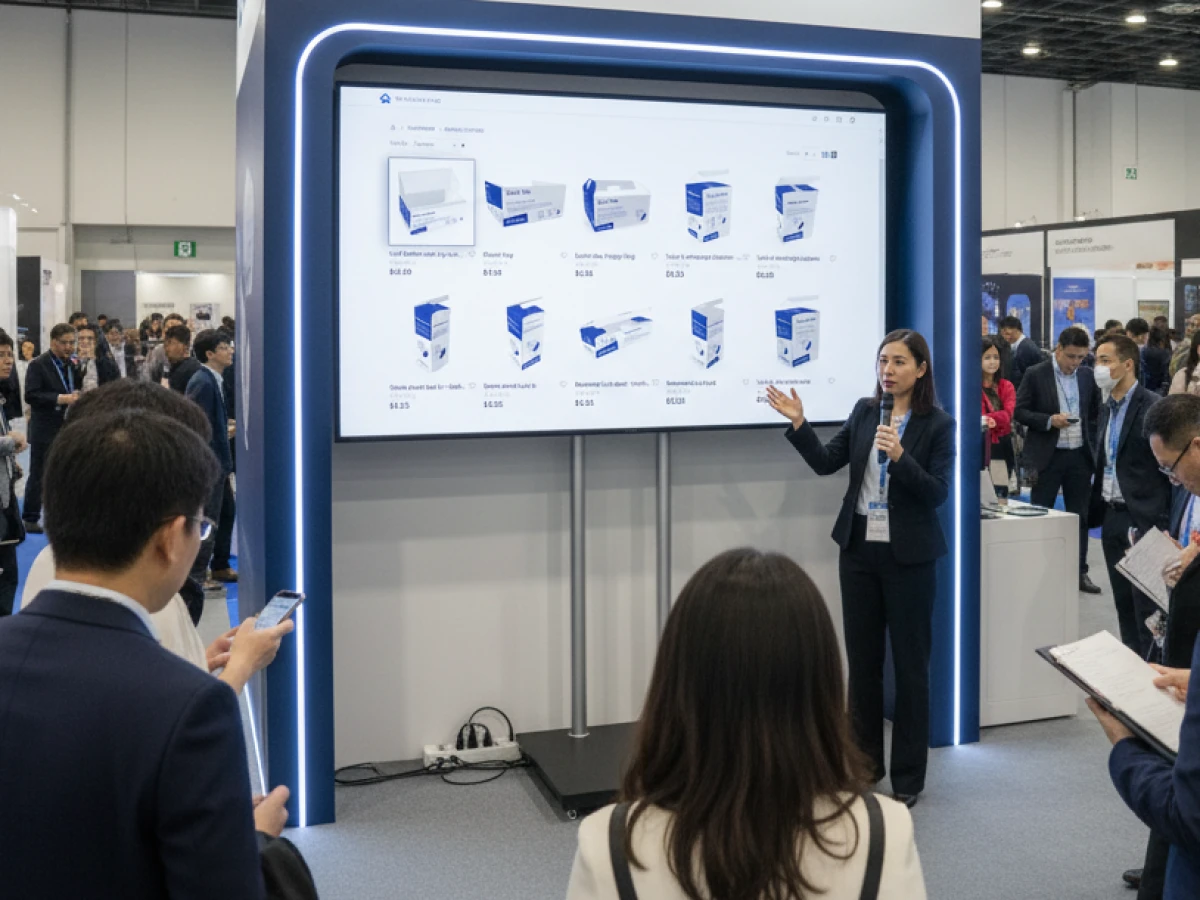
At the heart of packQ is its Template Gallery. CloudLab curates a wide range of customizable templates for all types of print products, so customers can start designing immediately. Whether the project involves folding cartons, corrugated boxes or point‑of‑sale displays, the gallery provides countless parametric templates that serve as building blocks for unique packages.
Parameterized ECMA & FEFCO Models
PackQ’s template library is anchored in the ECMA and FEFCO standards. According to CloudLab, the system includes 120+ folding box templates, 290+ corrugated box models and around 50 point‑of‑sale displays. These models are parametric – widths, heights and depths can be changed instantly, and the dieline recalculates automatically. Behind the scenes, integrated CAD tools ensure dimensional accuracy, so the digital model matches production constraints. ECMA codes for die‑cut folding cartons and FEFCO codes for corrugated boxes are fully supported. By embedding these standards, packQ eliminates guesswork and ensures that every template is machine‑compatible.
Liquid Layouts & AI‑Driven Design
Creating appealing packaging often involves more than picking a dieline. packQ introduces Liquid Layouts, an AI‑powered design tool that allows templates to adapt to variable product sizes. When users adjust the dimensions of a package, the system recalculates each panel and reorders elements according to pre‑defined design rules such as color harmony, shapes and proportions. This means that a single template can support an infinite range of sizes without breaking the design. Liquid Layouts leverage AI to apply rules like the golden section, ensuring that every resized layout remains aesthetically balanced. The result is dimensionally variable packaging that designers can customize without involving agencies.
Image Database: 1.4 Million Visual Resources
Designs only come to life with artwork and textures. To help customers, CloudLab linked packQ’s gallery to a database of 1.4 million royalty‑free images. This vast resource lets brand managers and printers add photos, patterns and backgrounds instantly without leaving the browser. Because the images are integrated directly into the template designer, there are no licensing hurdles or time‑consuming uploads. Combined with the liquid layouts, the image library accelerates ideation: users can test different aesthetics in seconds and deliver polished designs to clients.
3D Packaging Designer: Real‑Time Precision & Dynamic Pricing
Folding carton software must bridge the gap between flat artwork and physical products. packQ’s 3D Packaging Designer provides a browser‑based editor with real‑time rendering. Designers place artwork on dielines and instantly see how folds, flaps and closures look in 3D. The live preview simulates every crease and corner so the approved digital model matches the finished product. Even with complex edits, fold lines remain anchored, enabling accurate adjustments without CAD expertise. This precision is crucial for decision‑makers who need confidence before committing to a run.
Beyond visualization, the 3D designer handles automatic price calculation. When a user changes the size of a package, the system recalculates materials and adjusts the price accordingly, eliminating static price lists. This dynamic pricing is based on industry constants for set‑up and run costs. Printers and converters gain transparency into cost drivers, while clients see the financial impact of their design choices in real time. Combined with live 3D previews, dynamic pricing shortens approval cycles and aligns expectations between brands and manufacturers.
AI Designer Suite: Vectorization, Crispify & Background Removal
Art assets often arrive in inconsistent formats. packQ’s AI Designer Suite solves this problem by embedding advanced image editing tools into the browser. The suite can vectorize raster images, giving customers high‑quality vector graphics for scalable, high‑resolution printing. Users choose smoothing and color settings, and the system converts logos and illustrations into crisp vectors within seconds.
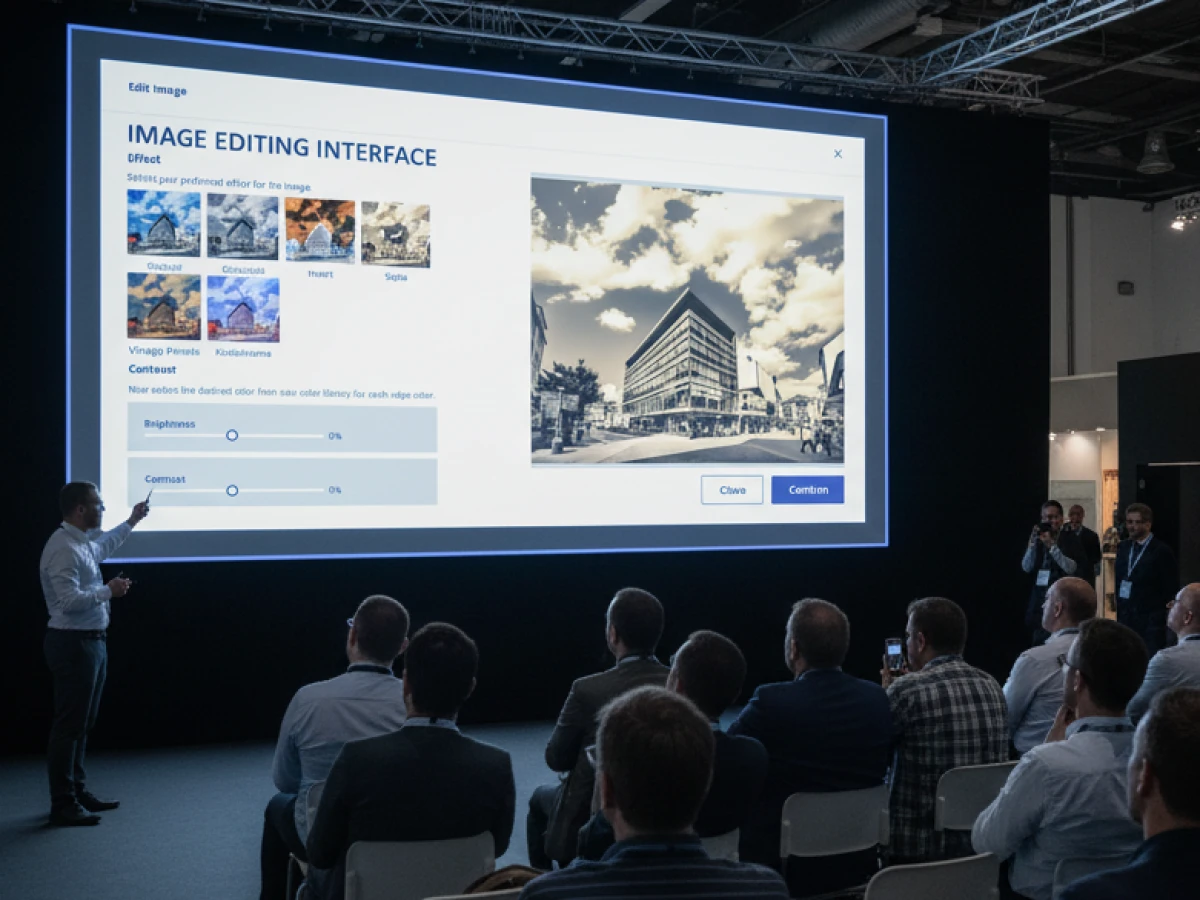
For photos and textures, packQ offers a set of effects and filters – from grayscale and sepia to vintage pinhole – that help designers fine‑tune aesthetics. The Crispify feature increases image resolution by generating four times more pixels, turning low‑resolution artwork into print‑ready graphics. A one‑click Remove Background tool isolates subjects and removes unwanted backgrounds, simplifying product shots and logos. These AI features bring professional image editing to non‑experts, ensuring that every design meets the technical requirements of high‑quality packaging.
Variable Data Printing & Mass Customization
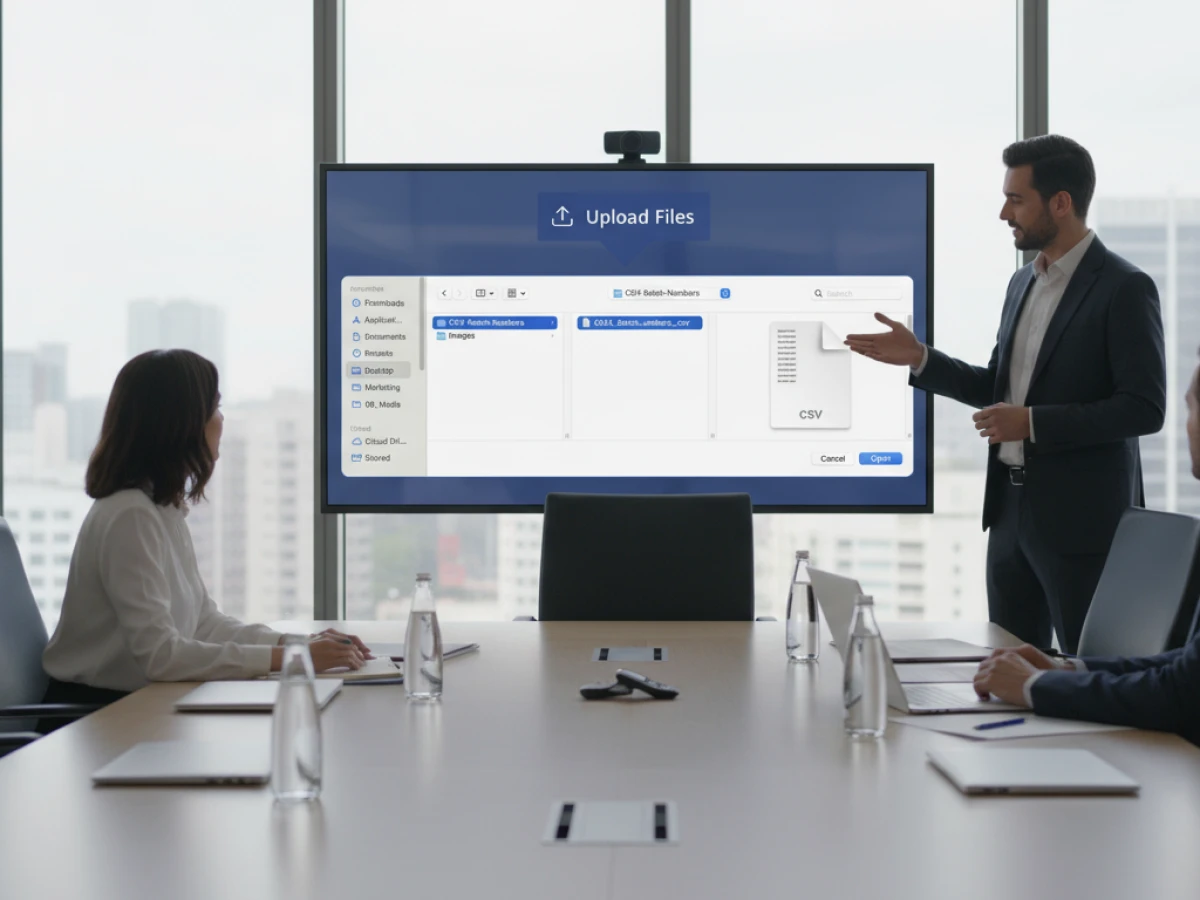
Modern packaging campaigns often call for personalized messaging, unique serial numbers or localized artwork. packQ supports Variable Data Printing (VDP) through PDF/VT and CSV uploads, allowing customers to generate multiple versions of a design from an Excel file. The system can handle large data sets – from changing addresses on mailing cartons to swapping product images for regional markets – without sacrificing print quality. Users may manually add or edit records to fine‑tune personalized campaigns, and an integrated quality check verifies that every variable field is placed correctly before production.
Mass customization isn’t limited to data. Through parametric templates and on‑demand printing, packQ enables batch‑of‑one production, supporting both private consumers and business customers. CloudLab’s case study with the German converter Colordruck Baiersbronn illustrates this: the company built an open shop for end customers and a closed shop for business clients, offering customized packaging in quantities as low as one unit. The closed shop provided customer‑specific designs and protected core business, while the open shop provided a curated range of formats for quick online ordering. As a result, consumers without prior knowledge could design variable packages, and business clients benefited from VDP and consistent workflows. Such mass customization helps brands run targeted promotions, limited editions or regional packaging without incurring prohibitive costs.

Dynamic Preflight, Plausibility Checks & Production Automation
Preflight & Data Validation
Errors in artwork – low resolution images, missing bleed or incorrect color modes – can lead to costly reprints. packQ addresses this risk with a Dynamic Preflight Check. Instead of checking files after an order is placed, packQ validates resolution, color space and bleed in real time. Warnings appear immediately when a customer uploads artwork or changes configurations, allowing corrections before checkout. This “check first, then print” approach reduces prepress errors and improves production efficiency. To achieve professional verification, packQ integrates industry‑standard engines Enfocus PitStop and callas pdfToolbox, which can be added within minutes.
Dynamic Pricing & Configuration
Preflight is complemented by a plausibility check during configuration. In the product configurator, packQ evaluates each print specification and flags inconsistencies. Users can choose paper types, colors and finishing options while the system ensures that dependencies are valid. A dynamic calculation engine then determines realistic prepress, printing and postpress prices based on industry constants such as set‑up costs and run lengths. Instead of manually computing quotes, printers receive accurate pricing instantly, accelerating the sales cycle.
Production Workflow & Automation
After a design is approved, packQ automatically generates layered print and cutting files. The platform produces JDF or XML files with separate layers for cutting, folding and other operations, ensuring that dies and job pockets are created correctly. Standard‑compliant data flows into hotfolders and is transmitted directly to presses, cutting tables or finishing lines. Because every job is tracked, operators can intervene if a customer submits incorrect data. Automation reduces sources of error, increases throughput and allows thousands of packaging projects to be processed simultaneously.
Headless API Architecture & Integration: The Power of Flexibility
packQ was designed as an API‑first, headless system. The front end is decoupled from the back end, enabling seamless integration with ERP, MIS and e‑commerce platforms. CloudLab provides a Shop Connector that integrates packQ into popular store systems without programming skills. Under the hood, SOAP and REST APIs deliver order data as XML, JSON or JDF files, simplifying the connection of multiple production methods and suppliers.
Open vs Closed Shops & Multi‑Portal Strategies
Web‑to‑Pack supports different business models. Open shops attract new customers by offering a selection of carton formats and parameters that can be configured online; the print shop then processes standardized jobs efficiently. Closed shops strengthen existing relationships by providing a login section where business customers reorder folding cartons and make minor changes within a predefined framework. CloudLab’s deployment at Colordruck Baiersbronn used both approaches: an open shop for end customers and a closed shop for business clients, enabling mass customization and protecting core business. This multi‑portal strategy demonstrates how flexible headless architecture adapts to B2C and B2B requirements.
ERP, MIS & Production Integration
An API‑first design means packQ isn’t a silo. Orders can flow directly into ERP or MIS systems for invoicing, scheduling and inventory management. E‑commerce platforms integrate packQ so customers can design packaging within their familiar checkout flows, and print providers receive ready‑to‑produce files automatically. On the factory floor, integration with cutting tables, digital presses and finishing equipment enables end‑to‑end automation: dielines and artwork move from browser to machine without human intervention. In the Colordruck project, packQ connected to a workflow manager via a bespoke interface, sending status updates back to the store and creating job tickets automatically. Such deep integration eliminates manual steps and reduces production times.
Security, Scalability & Industry 4.0
As a cloud‑native application, packQ offers browser‑based access while supporting private hosting for companies with strict IT policies. Multi‑tenant architecture lets printers manage multiple client portals securely. The platform complies with GDPR and encrypts all data traffic, providing role‑based permissions for different users. Beyond today’s workflows, packQ is built for Industry 4.0: it serves as a digital twin generator that bridges design and production, offering real‑time machine integration, predictive maintenance and automated material allocation. Sustainability benefits include virtual prototyping, optimized cutting layouts and digital approvals, reducing waste and transport. Thus, packQ positions printers and brands for the smart factory era.
Targeted Benefits for Stakeholders
Printing Houses & Packaging Manufacturers
For converters and printers, packQ streamlines workflows and increases throughput. Automated preflight reduces artwork errors and prepress time. Parametric ECMA/FEFCO templates eliminate manual CAD work and ensure that every design is production‑safe. Real‑time 3D previews minimize disputes and accelerate approvals. Dynamic pricing and gang run optimization allow shops to handle hundreds of small orders profitably. In the Colordruck project, the system automatically created print data and integrated with preflight software, reducing design times and enabling quick releases for production. Such efficiency turns folding‑carton production into a strategic advantage rather than a cost center.
E‑Commerce Platforms & Marketplaces
Online marketplaces can embed packaging configuration directly into their checkout experience thanks to packQ’s headless APIs. Shop connectors simplify integration with platforms like Shopify, Magento or BigCommerce. Customers design packaging while placing an order, view live 3D previews and receive transparent pricing. Once the order is placed, packQ automatically generates production files and pushes them to the print provider. This seamless workflow enhances customer experience and creates new revenue streams for marketplaces. It also supports drop‑ship or print‑on‑demand business models where packaging is produced only when ordered.
Brand Owners & Industry
Marketing teams and product managers value consistency and speed. packQ lets them start with proven ECMA/FEFCO structures and adjust dimensions without affecting structural integrity. The template gallery, image library and AI tools allow non‑experts to create professional designs quickly. Variable data printing and mass customization enable localized campaigns or seasonal promotions at scale. Real‑time previews and dynamic pricing shorten decision cycles, helping brands launch products faster. Because packQ’s API integrates with existing ERP and marketing systems, brand owners maintain control over their data and workflows while leveraging advanced packaging design technology.
Technology Teams: IT, Prepress & Production
IT teams appreciate packQ’s headless, API‑first architecture. The decoupled design allows developers to integrate packaging functionality into custom portals or existing systems. Prepress departments benefit from dynamic preflight and plausibility checks, which flag issues before files reach production. Production managers gain visibility into job status through hotfolder integration and automated job ticket creation. With predictive maintenance and real‑time machine integration, packQ supports the transition to smart factories. This combination of developer‑friendliness, quality assurance and automation empowers technology teams to deliver reliable, scalable packaging services.
Unique Selling Points: Why packQ Stands Apart
Several factors differentiate packQ from generic web‑to‑print solutions:
- Pure Web‑to‑Pack specialization: packQ is built specifically for packaging products rather than commercial print, focusing on folding cartons, corrugated boxes, displays and flexible packaging. The system understands structural parameters and integrates CAD logic.
- Deep ECMA/FEFCO integration: Over 120 ECMA templates and 290 FEFCO models are available, with options for flaps and closures. This comprehensive library ensures that every template is production‑ready and globally understood.
- Real‑time 3D with CAD‑based output: packQ’s browser‑based designer uses WebGL to render accurate 3D previews. The system generates layered PDF, JDF and XML files directly from the browser, guaranteeing that what customers see is what gets produced.
- Integrated AI functions: Vectorization, Crispify, background removal and dynamic liquid layouts bring professional design tools to non‑experts. Users can elevate artwork quality without external software.
- End‑to‑end automation: From dynamic pricing and preflight to automated job batching and gang runs, packQ streamlines the entire workflow. Standard‑compliant data flows into print and finishing equipment automatically.
- Headless, API‑first & scalable: A decoupled architecture allows integration with e‑commerce sites, ERP/MIS systems and production equipment. Cloud‑native deployment with optional private hosting provides scalability and security.
- Industry 4.0 / Print 4.0 ready: The platform acts as a digital twin generator, connecting design with smart factory systems, enabling predictive maintenance and automated material allocation. Virtual prototyping and optimized cutting layouts support sustainability.
packQ proves that folding carton software can be more than a configurator; it can be an end‑to‑end Web‑to‑Pack ecosystem. Its template gallery and 1.4‑million‑image database let users begin designs instantly. Parametric ECMA and FEFCO models ensure structural precision, while Liquid Layouts adapt artwork to any dimension. The 3D designer delivers accurate previews and dynamic pricing. AI tools like vectorization and Crispify upgrade images in the browser. Dynamic preflight and VDP support mass customization with minimal risk. With headless APIs, cloud scalability and Industry 4.0 integration, packQ stands out as the market leader for printers, converters, brands and marketplaces. In short, this folding carton software brings creative freedom and production intelligence together, transforming packaging into a strategic advantage.
An overview of all features of packQ developed by CloudLab
- 3D Packaging Designer – Design folding cartons, cartons and other packaging directly in the browser and instantly see how your product will look thanks to the real‑time 3D preview. Dimensions can be adjusted and prices are recalculated automatically.
- ECMA and FEFCO Library – Gives access to standardised templates for folding cartons, corrugated boxes and POS displays. The parametric models are based on the internationally recognised ECMA and FEFCO codes and can be customised.
- Vectorisation & Finishing – Pixel images are converted into high‑resolution vector graphics in just a few clicks. Finishing options such as foil stamping, spot UV varnish or embossing are also available to enhance the product.
- Variable Data Printing (PDF/VT) – Enables the import of personalised data or images via CSV/PDF‑VT upload. Data can also be added manually, allowing both one‑off pieces and large series to be produced efficiently.
- Template Gallery – A large selection of ready‑made templates accelerates the design process. The AI‑based “Liquid Layouts” automatically adjust designs to different formats while preserving the original design concept.
- Folding Boxes – Configure folding cartons with various closure types, viewing windows and embellishments. An interactive 3D preview provides complete control over material, format and features.
- Corrugated Board – Design corrugated packaging including special formats. The software supports different materials and special colours, automatically checks fold and cutting lines and shows the folding sequence in an animated view.
- POS Displays – Create individual product displays with configurable shelves and trays. Logos, text and QR codes can be placed precisely; a 3D preview shows the result from every angle.
- Flexible Packaging – For stand‑up pouches, mailing bags or film packaging, the print area and bleed can be defined in the backend. PackQ automatically trims artwork to size and marks relevant production dimensions directly in the editor.
- Labels & Stickers – Offers a wide range of label shapes and sizes. Materials, coatings and finishes can be freely selected; a preview shows the label directly on the packaging. Both data imports and manual entries are supported.
- AI Designer Suite – A set of image‑editing tools: raster images can be vectorised, resolution enhanced four‑fold with “Crispify”, and backgrounds removed automatically. Various filters are also available.
- Dynamic Preflight Check – Print data is checked in real time for resolution, colour mode and other criteria during configuration. This allows errors to be corrected before the job goes into production.
- Production Workflow – Once an order is placed, all relevant print and production data are generated automatically, including JDF/XML files. Hot‑folder integration ensures seamless transfer to printing and die‑cutting equipment.
- Product Configuration & Calculation – Enables detailed selection of materials, colours and finishes with inputs checked for plausibility. Dynamic pricing calculates realistic production costs based on industry‑standard parameters.
- eCommerce Integrations & APIs – Thanks to the “packQ Shop Connector”, the software can be connected to common shop systems without programming knowledge. Through REST/SOAP APIs and formats such as JDF, XJDF or JSON, packQ also integrates into ERP and production systems.

.webp)